
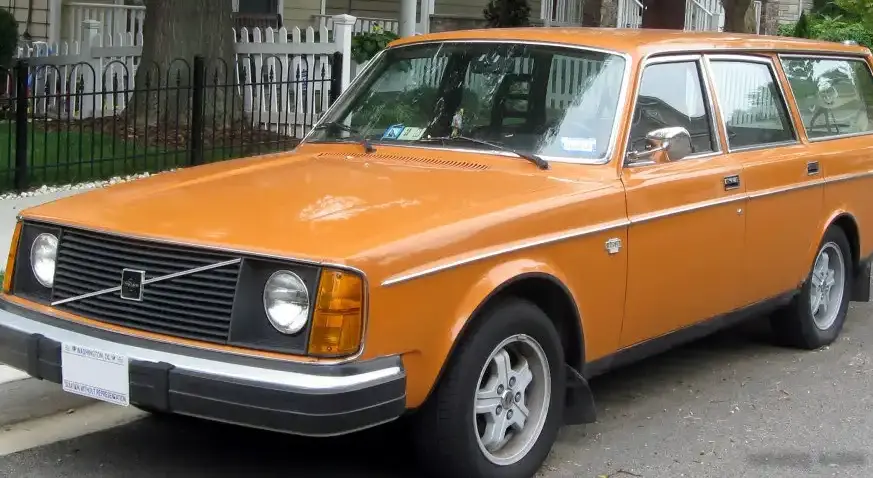
The Volvo 240 Combi (P245) 2.0, producing 82 horsepower, represents an early iteration of Volvo’s renowned estate car, manufactured primarily between 1974 and 1975. This variant occupied a crucial position in the 240 series lineup, offering a practical and durable family vehicle with a focus on usability rather than outright performance. It was part of the initial wave of 240 series models, establishing the platform’s reputation for safety and longevity. The P245 designation specifically denotes the five-door estate (station wagon) body style within the 240 range.
Technical Specifications
| Brand | Volvo |
| Model | 240 |
| Generation | 240 Combi (P245) |
| Type (Engine) | 2.0 (82 Hp) |
| Start of Production | 1974 |
| End of Production | 1975 |
| Powertrain Architecture | Internal Combustion Engine |
| Body Type | Station Wagon (Estate) |
| Seats | 5 |
| Doors | 5 |
| Fuel Type | Petrol (Gasoline) |
| Power | 82 Hp |
| Engine Model/Code | B20A |
| Engine Aspiration | Naturally Aspirated |
| Engine Oil Capacity | 3.8 l (4.02 US qt | 3.34 UK qt) |
| Coolant Capacity | 9.4 l (9.93 US qt | 8.27 UK qt) |
| Fuel Tank Capacity | 60 l (15.85 US gal | 13.2 UK gal) |
Powertrain & Engine Architecture
The heart of the 240 Combi 2.0 is the Volvo B20A engine, a 1,986 cc (121.1 cubic inch) inline-four cylinder powerplant. This engine is characterized by its oversquare configuration (bore larger than stroke) and robust cast iron block and cylinder head. The B20A utilizes a single overhead camshaft (SOHC) design, operating two valves per cylinder. Fuel delivery is managed by a Solex carburetor, a common setup for the period. The engine’s relatively low compression ratio (typically around 8.5:1) was designed to accommodate the lower octane fuels prevalent in many markets. The B20A is known for its durability and simplicity, prioritizing reliability over peak performance.
The 82 horsepower is transmitted through a four-speed automatic transmission, a relatively uncommon option for the 240 in its early years. This transmission, while providing ease of use, was not known for its sporty character. It featured a traditional torque converter and a relatively conservative gear ratio spread, prioritizing fuel economy and smooth operation over rapid acceleration. The automatic transmission was aimed at buyers who preferred convenience over driver involvement.
Driving Characteristics
The 2.0-liter, 82 hp engine paired with the automatic transmission delivers a driving experience best described as relaxed and unhurried. Acceleration is modest, with 0-60 mph times estimated to be around 14-16 seconds. The automatic transmission’s gear changes are smooth but deliberate, and the engine lacks the responsiveness of the manual transmission or higher-output variants. However, the engine provides adequate torque for everyday driving, making it suitable for hauling passengers and cargo. The automatic transmission does diminish the overall fuel economy compared to the manual versions.
The P245’s weight, typical for a vehicle of its size and era, contributes to its somewhat sluggish performance. The automatic transmission further impacts this, as it doesn’t allow the engine to rev as freely as a manual gearbox. In real-world conditions, the 2.0 automatic excels in steady-state cruising, offering a comfortable ride and reasonable fuel consumption for its class.
Equipment & Trim Levels
The 240 Combi 2.0, in its base form, was relatively sparsely equipped, reflecting its position as an entry-level offering. Standard features typically included cloth upholstery, basic instrumentation (speedometer, fuel gauge, temperature gauge), and a heater. Power steering and power brakes were often optional extras. The interior design was functional and durable, prioritizing practicality over luxury. The dashboard layout was straightforward, with easily accessible controls.
Optional extras included a radio, upgraded upholstery, and a sunroof. Higher trim levels, such as the DL, offered more luxurious appointments, including woodgrain trim, upgraded seats, and additional convenience features. However, the base 2.0 model focused on providing essential transportation at an affordable price.
Chassis & Braking
The Volvo 240 series is renowned for its robust chassis and suspension. The P245 2.0 utilizes a MacPherson strut front suspension and a solid axle rear suspension with leaf springs. This setup provides a comfortable ride and good stability, although it’s not particularly sporty. The steering is a recirculating ball system, offering a somewhat indirect feel.
Braking on the base 2.0 model typically consisted of disc brakes at the front and drum brakes at the rear. This configuration was adequate for the vehicle’s weight and performance, but lacked the stopping power of the all-disc brake setups found on higher-spec models. The braking system was hydraulically assisted, providing reasonable stopping performance for the era.
Market Reception & Comparison
The Volvo 240 Combi 2.0 was generally well-received by critics and consumers alike. It was praised for its practicality, durability, and safety features. However, the 82 hp engine and automatic transmission were often criticized for their lack of performance. Compared to the manual transmission versions or the later 2.1-liter and turbocharged models, the 2.0 automatic felt significantly slower.
Fuel economy was reasonable for the time, but not exceptional. The automatic transmission reduced fuel efficiency compared to the manual gearbox. Reliability was a major strength, with the B20A engine proving to be exceptionally durable. The 240 Combi 2.0 appealed to buyers who prioritized practicality, safety, and reliability over performance and luxury.
Legacy
The Volvo 240 series, including the P245 2.0, has achieved a legendary status among automotive enthusiasts. The B20A engine is known for its longevity and ease of maintenance. Even today, well-maintained examples of the 240 Combi 2.0 can be found on the road, testament to the vehicle’s robust construction. The automatic transmission, while not particularly desirable among performance enthusiasts, remains relatively reliable. In the used car market, the P245 2.0 represents an affordable and practical classic, appealing to those seeking a durable and dependable estate car with a strong heritage.
