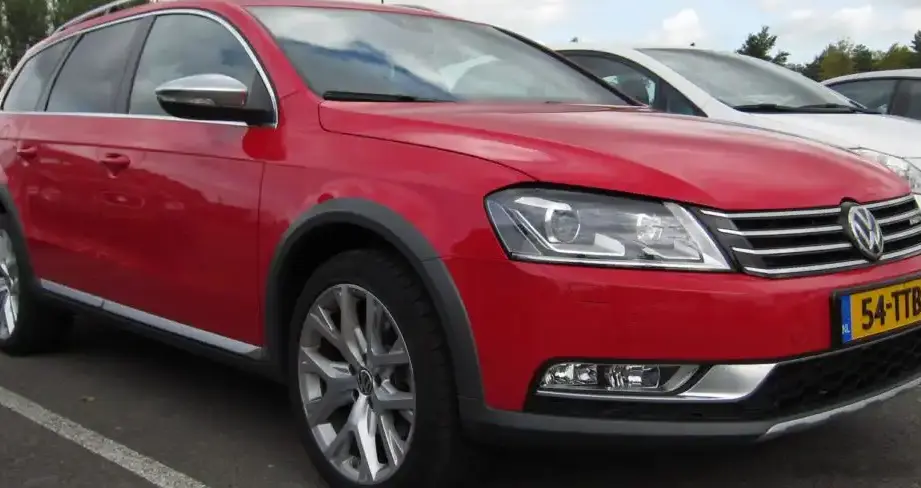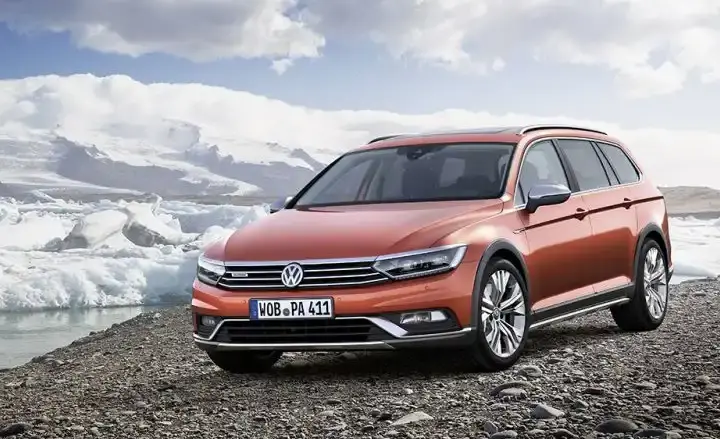
The Volkswagen Passat Variant (B3) 1.8 G60 Syncro, produced between 1988 and 1992, represents a unique and relatively rare iteration of the B3 Passat series. Positioned as a performance-oriented estate car, it combined the practicality of a wagon with the spirited driving experience of Volkswagen’s G60 engine and the added security of all-wheel drive. This variant was primarily sold in Europe, where the demand for practical, yet engaging, family vehicles was strong. It occupied a niche above the standard 1.6 and 1.8 models, but below the more expensive and luxurious Passat GL models, offering a compelling blend of performance and utility.
Technical Specifications
| Brand | Volkswagen |
| Model | Passat |
| Generation | Passat Variant (B3) |
| Type (Engine) | 1.8 G60 Syncro (160 Hp) |
| Start of production | 1988 |
| End of production | 1992 |
| Powertrain Architecture | Internal Combustion engine |
| Body type | Station wagon (estate) |
| Seats | 5 |
| Fuel consumption (urban) | 15 l/100 km (15.7 US mpg, 18.8 UK mpg, 6.7 km/l) |
| Fuel consumption (extra urban) | 10 l/100 km (23.5 US mpg, 28.2 UK mpg, 10 km/l) |
| Fuel consumption (combined) | 12 l/100 km (19.6 US mpg, 23.5 UK mpg, 8.3 km/l) |
| Fuel Type | Petrol (Gasoline) |
| Acceleration 0 – 100 km/h | 9.6 sec |
| Acceleration 0 – 62 mph | 9.6 sec |
| Acceleration 0 – 60 mph | 9.1 sec |
| Power | 160 Hp @ 5600 rpm |
| Power per litre | 89.8 Hp/l |
| Torque | 220 Nm @ 3800 rpm (162.26 lb.-ft. @ 3800 rpm) |
| Engine layout | Front, Transverse |
| Engine Model/Code | PG |
| Engine displacement | 1781 cm3 (108.68 cu. in.) |
| Number of cylinders | 4 |
| Engine configuration | Inline |
| Cylinder Bore | 81 mm (3.19 in.) |
| Piston Stroke | 86.4 mm (3.4 in.) |
| Compression ratio | 10.8:1 |
| Number of valves per cylinder | 2 |
| Fuel injection system | Multi-port manifold injection |
| Engine aspiration | Turbocharger |
| Engine oil capacity | 4 l (4.23 US qt | 3.52 UK qt) |
| Coolant capacity | 5 l (5.28 US qt | 4.4 UK qt) |
| Fuel tank capacity | 70 l (18.49 US gal | 15.4 UK gal) |
| Length | 4770 mm (187.8 in.) |
| Drive wheel | All wheel drive (4×4) |
| Front suspension | Independent type McPherson |
| Tires size | 195/55 R15 |
| Wheel rims size | 15 |
Powertrain & Engine Architecture
The heart of the Passat Variant G60 Syncro is the 1.8-liter, inline-four cylinder engine, designated as the ‘PG’ code. This engine is notable for its mechanically driven supercharger – the G-Lader – which provides instant boost and a unique exhaust note. Unlike traditional turbochargers, the G-Lader is belt-driven directly from the crankshaft, eliminating turbo lag. The engine utilizes multi-port fuel injection and a compression ratio of 10.8:1. The supercharger delivers approximately 0.8 bar (11.6 psi) of boost. The engine’s 160 horsepower at 5600 rpm and 220 Nm (162 lb-ft) of torque at 3800 rpm were respectable figures for the late 1980s and early 1990s. The engine is paired with a four-speed automatic transmission, which, while offering convenience, slightly diminishes the engine’s full potential compared to the available five-speed manual.
Driving Characteristics
The 1.8 G60 Syncro offers a distinctive driving experience. The supercharger provides strong low-end and mid-range acceleration, making it surprisingly quick in everyday driving situations. The automatic transmission, while smooth, does result in some power loss and a less engaging feel than the manual gearbox. The Syncro all-wheel-drive system provides excellent traction, particularly in inclement weather, enhancing stability and confidence. However, the added weight of the AWD system and automatic transmission does impact fuel economy. Compared to the naturally aspirated 1.8 and 1.6 liter Passat variants, the G60 Syncro offers a significant performance upgrade. It also feels more responsive than the diesel-powered models, although those prioritize fuel efficiency over outright speed.
Equipment & Trim Levels
The Passat Variant G60 Syncro typically came equipped with a reasonable level of standard features for its time. This included central locking, electric windows, and a basic stereo system. Interior upholstery was usually cloth, with options for upgraded velour or leather. The dashboard layout was typical of B3 Passats, featuring a functional, if somewhat dated, design. Optional extras included a sunroof, air conditioning, and upgraded sound systems. The Syncro models often featured a more comprehensive instrument cluster displaying information related to the all-wheel-drive system.
Chassis & Braking
The B3 Passat utilized an independent McPherson strut front suspension and a semi-independent torsion beam rear suspension. The Syncro models benefited from slightly stiffer springs and dampers to cope with the added weight of the all-wheel-drive system. Braking on the G60 Syncro typically consisted of disc brakes on the front wheels and drum brakes on the rear. Anti-lock braking system (ABS) was often available as an option, enhancing safety. Stabilizer bars were fitted to both the front and rear axles to reduce body roll during cornering.
Market Reception & Comparison
The Passat Variant G60 Syncro was generally well-received by automotive journalists and enthusiasts. It was praised for its unique combination of performance, practicality, and all-weather capability. However, the automatic transmission was sometimes criticized for detracting from the engine’s potential. Fuel economy was also a concern, given the engine’s forced induction and the added weight of the Syncro system. Compared to other Passat variants, the G60 Syncro represented a premium offering, commanding a higher price tag. It competed with other performance-oriented estate cars of the era, such as the Ford Sierra Cosworth and the Audi 80 Quattro.
Legacy
Today, the Volkswagen Passat Variant G60 Syncro is considered a desirable classic car, particularly among Volkswagen enthusiasts. The G60 engine is known for its reliability, although regular maintenance is crucial, especially concerning the supercharger’s belt and lubrication system. Parts availability can be a challenge, but a dedicated aftermarket exists. The Syncro all-wheel-drive system is generally robust, but requires periodic inspection and maintenance. The automatic transmission, while reliable, is not as highly regarded as the manual version. Values for well-maintained examples have been steadily increasing in recent years, reflecting the car’s rarity and unique character. It remains a testament to Volkswagen’s engineering prowess and a compelling alternative to more mainstream performance cars of the era.