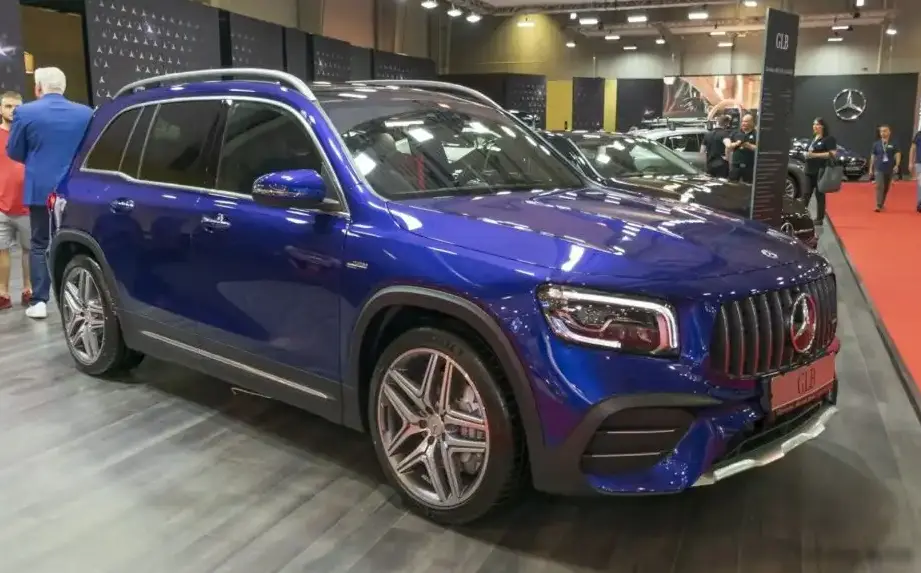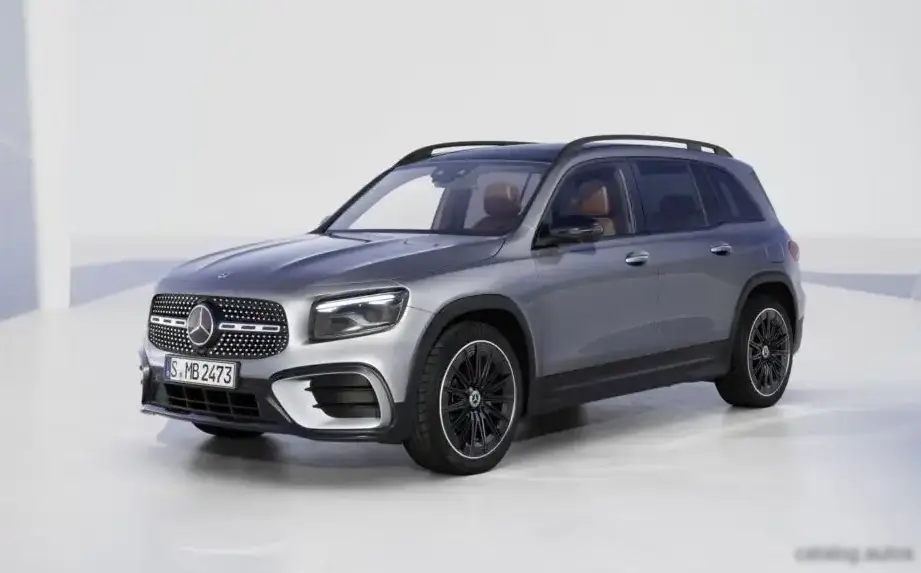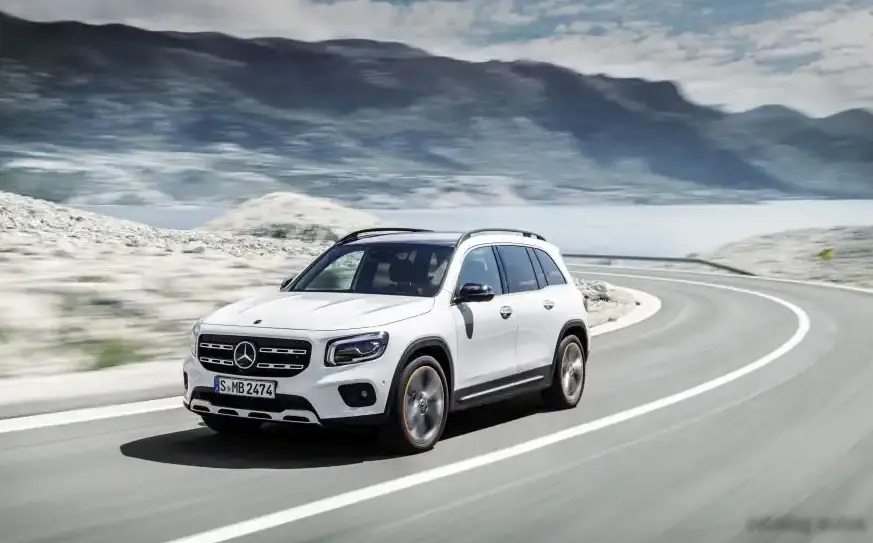
The Mercedes-Benz GLB 200, powered by a 1.3-liter turbocharged engine producing 163 horsepower and paired with a 7-speed dual-clutch transmission (DCT), was a key variant within the X247 GLB model range produced from 2019 to 2023. Positioned as the entry-level engine option in many European markets, the GLB 200 aimed to provide a balance of practicality, fuel efficiency, and affordability within the compact luxury SUV segment. It offered seating for up to seven passengers, a relatively rare feature in this class, and represented Mercedes-Benz’s attempt to cater to families seeking a premium experience without the higher price tag of larger models like the GLC.
Technical Specifications
| Brand | Mercedes-Benz |
| Model | GLB |
| Generation | GLB (X247) |
| Type (Engine) | GLB 200 (163 Hp) DCT |
| Start of production | 2019 |
| End of production | 2023 |
| Powertrain Architecture | Internal Combustion engine |
| Body type | SUV |
| Seats | 5-7 |
| Doors | 5 |
| Fuel consumption at Low speed (WLTP) | 6.9 l/100 km (34.1 US mpg, 40.9 UK mpg, 14.5 km/l) |
| Fuel consumption at very high speed (WLTP) | 7.8 l/100 km (30.2 US mpg, 36.2 UK mpg, 12.8 km/l) |
| CO2 emissions (WLTP) | 156-177 g/km |
| Fuel consumption (economy) – urban | 7.4-7.6 l/100 km (31.8 – 30.9 US mpg, 38.2 – 37.2 UK mpg, 13.5 – 13.2 km/l) |
| Fuel consumption (economy) – extra urban | 5.2-5.4 l/100 km (45.2 – 43.6 US mpg, 54.3 – 52.3 UK mpg, 19.2 – 18.5 km/l) |
| Fuel consumption (economy) – combined | 6.0-6.2 l/100 km (39.2 – 37.9 US mpg, 47.1 – 45.6 UK mpg, 16.7 – 16.1 km/l) |
| CO2 emissions | 137-142 g/km |
| Fuel Type | Petrol (Gasoline) |
| Acceleration 0 – 100 km/h | 9.1 sec |
| Acceleration 0 – 62 mph | 9.1 sec |
| Acceleration 0 – 60 mph | 8.6 sec |
| Maximum speed | 207 km/h (128.62 mph) |
| Emission standard | Euro 6d ISC-FCM |
| Weight-to-power ratio | 9.1 kg/Hp, 110.1 Hp/tonne |
| Weight-to-torque ratio | 5.9 kg/Nm, 168.9 Nm/tonne |
| Power | 163 Hp @ 5500 rpm |
| Power per litre | 122.4 Hp/l |
| Torque | 250 Nm @ 1620-4000 rpm (184.39 lb.-ft. @ 1620-4000 rpm) |
| Engine layout | Front, Transverse |
| Engine Model/Code | M 282 |
| Engine displacement | 1332 cm3 (81.28 cu. in.) |
| Number of cylinders | 4 |
| Engine configuration | Inline |
| Number of valves per cylinder | 4 |
| Fuel injection system | Direct injection |
| Engine aspiration | Turbocharger, Intercooler |
| Valvetrain | CAMTRONIC |
| Engine oil capacity | 5.1 l (5.39 US qt | 4.49 UK qt) |
| Kerb Weight | 1480 kg (3262.84 lbs.) |
| Max. weight | 2085 kg (4596.64 lbs.) |
| Max load | 605 kg (1333.8 lbs.) |
| Trunk (boot) space – minimum | 570 l (20.13 cu. ft.) |
| Trunk (boot) space – maximum | 1805 l (63.74 cu. ft.) |
| Fuel tank capacity | 52 l (13.74 US gal | 11.44 UK gal) |
| Permitted trailer load with brakes (12%) | 1800 kg (3968.32 lbs.) |
| Permitted trailer load without brakes | 750 kg (1653.47 lbs.) |
| Length | 4634 mm (182.44 in.) |
| Width | 1834 mm (72.2 in.) |
| Width including mirrors | 2020 mm (79.53 in.) |
| Height | 1658-1662 mm (65.28 – 65.43 in.) |
| Wheelbase | 2829 mm (111.38 in.) |
| Front track | 1605 mm (63.19 in.) |
| Rear (Back) track | 1606 mm (63.23 in.) |
| Front overhang | 905 mm (35.63 in.) |
| Rear overhang | 900 mm (35.43 in.) |
| Ride height (ground clearance) | 135 mm (5.31 in.) |
| Approach angle | 18° |
| Departure angle | 18.3° |
| Ramp-over (brakeover) angle | 13.9° |
| Drivetrain Architecture | The Internal combustion engine (ICE) drives the front wheels of the vehicle. |
| Drive wheel | Front wheel drive |
| Number of gears and type of gearbox | 7 gears, automatic transmission G-DCT |
| Front suspension | Independent type McPherson |
| Rear suspension | Independent multi-link suspension |
| Front brakes | Ventilated discs |
| Rear brakes | Ventilated discs |
| Assisting systems | ABS (Anti-lock braking system) |
| Steering type | Steering rack and pinion |
| Power steering | Electric Steering |
| Tires size | 215/65 R17 |
| Wheel rims size | 6.5J x 17 |
INTRODUCTION
The Mercedes-Benz GLB 200, launched in 2019 as part of the X247 GLB series, filled a niche in the Mercedes-Benz lineup as a compact SUV offering optional seven-passenger seating. Built on the MFA2 (Modular Front-wheel Drive Architecture 2) platform – shared with other compact Mercedes-Benz models like the A-Class and B-Class – the GLB aimed to provide a more spacious and versatile alternative to traditional five-seater compact SUVs. The GLB 200, with its 1.3-liter engine and dual-clutch transmission, served as the entry point to the GLB range in many markets, prioritizing fuel economy and affordability over outright performance. Production continued through 2023, with minor updates introduced over the model’s lifespan.
Powertrain & Engine Architecture
The GLB 200 is powered by the M 282 engine, a 1.332-liter inline-four cylinder gasoline engine. This engine utilizes direct fuel injection and is equipped with a single scroll turbocharger and an intercooler to boost power and efficiency. Mercedes-Benz’s CAMTRONIC variable valve timing system is also employed, allowing for optimized engine performance across a wider range of engine speeds. The engine produces 163 horsepower at 5500 rpm and 250 Nm (184 lb-ft) of torque between 1620 and 4000 rpm. The engine is transversely mounted in the front of the vehicle. The power is then transferred to the front wheels via a 7-speed dual-clutch transmission (7G-DCT). This transmission offers quick and smooth gear changes, contributing to a more engaging driving experience compared to a traditional automatic. The DCT is known for its efficiency and responsiveness, though some drivers may notice slight hesitation at low speeds.
Driving Characteristics
The GLB 200, with its 163 hp and front-wheel drive configuration, delivers adequate performance for everyday driving. Acceleration from 0 to 60 mph takes approximately 8.6 seconds, and the top speed is electronically limited to 128.62 mph. While not a particularly sporty vehicle, the GLB 200 offers sufficient power for merging onto highways and overtaking slower traffic. The 7G-DCT transmission contributes to a relatively smooth and refined driving experience. Compared to the more powerful GLB 250, the 200 feels less eager to accelerate, and the engine can feel strained when fully loaded or climbing steep hills. The gear ratios are tuned for fuel efficiency, which can sometimes result in the engine feeling slightly underpowered at lower speeds. The front-wheel drive setup provides good traction in most conditions, but it lacks the all-weather capability of the available 4MATIC all-wheel drive system.
Equipment & Trim Levels
The GLB 200 typically came standard with features such as automatic climate control, a touchscreen infotainment system with Apple CarPlay and Android Auto compatibility, and a suite of safety features including automatic emergency braking and lane-keeping assist. Interior upholstery was generally fabric, with leatherette or genuine leather available as optional upgrades. Common optional extras included a panoramic sunroof, heated front seats, a premium sound system, and advanced driver-assistance systems like adaptive cruise control and blind-spot monitoring. Trim levels varied by market, but generally offered packages that bundled popular options together. The dashboard layout was typical of modern Mercedes-Benz vehicles, with a sleek and minimalist design.
Chassis & Braking
The GLB 200 utilizes an independent McPherson strut suspension at the front and an independent multi-link suspension at the rear. This suspension setup provides a comfortable ride quality, absorbing bumps and imperfections in the road effectively. Stabilizer bars are fitted to both the front and rear axles to reduce body roll during cornering. The GLB 200 is equipped with ventilated disc brakes on all four wheels, providing ample stopping power. Anti-lock braking system (ABS) is standard, along with electronic brake-force distribution and brake assist. The steering is electrically assisted, offering a light and precise feel.
Market Reception & Comparison
The GLB 200 was generally well-received by automotive critics as a practical and well-equipped compact SUV. Reviewers praised its spacious interior, comfortable ride, and fuel efficiency. However, some criticized its relatively modest performance and the base engine’s lack of refinement compared to more powerful alternatives. Compared to the GLB 250, which featured a more powerful 2.0-liter engine, the GLB 200 offered lower running costs but sacrificed some performance. The GLB 200 also competed with other compact luxury SUVs such as the BMW X1 and Audi Q3, offering a compelling combination of features and value.
Legacy
The Mercedes-Benz GLB 200, while not the most powerful variant in the GLB lineup, has proven to be a reliable and practical choice for many buyers. The M 282 engine, while relatively new, has demonstrated good durability, and the 7G-DCT transmission is generally considered to be a robust unit. On the used car market, the GLB 200 represents a relatively affordable entry point into the Mercedes-Benz brand, offering a good balance of luxury, practicality, and fuel efficiency. Its continued popularity suggests that it has successfully fulfilled its role as a versatile and accessible compact SUV.