
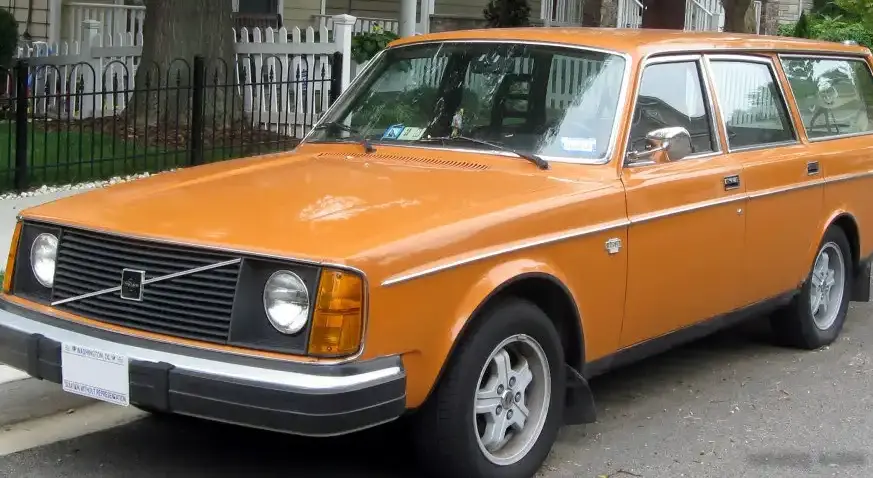
The Volvo 240 Combi, specifically the P245 2.0 variant producing 97 horsepower, represents a cornerstone of Volvo’s reputation for safety, durability, and practicality. Produced from 1980 to 1984, this model occupied a significant position within the broader 240 series, which spanned from 1974 to 1993. The P245, denoting the estate or station wagon body style, was particularly popular in Europe, where demand for versatile family vehicles was high. In the United States, while the 240 series was well-regarded, the wagon variant saw slightly less volume than the sedan and coupe models. This 2.0-liter version served as a more economical and accessible entry point into the 240 range, appealing to buyers prioritizing fuel efficiency and everyday usability over outright performance.
Technical Specifications
| Brand | Volvo |
| Model | 240 |
| Generation | 240 Combi (P245) |
| Type (Engine) | 2.0 (97 Hp) |
| Start of production | 1980 |
| End of production | 1984 |
| Powertrain Architecture | Internal Combustion Engine |
| Body type | Station wagon (estate) |
| Seats | 5 |
| Doors | 5 |
| Fuel Type | Petrol (Gasoline) |
| Power | 97 Hp |
| Engine Model/Code | B19A |
| Engine aspiration | Naturally aspirated |
| Engine oil capacity | 3.9 l / 4.12 US qt / 3.43 UK qt |
Powertrain & Engine Architecture
The heart of the P245 2.0 was the Volvo B19A engine, a 1,986 cc (121.1 cubic inch) inline-four cylinder powerplant. This engine was a descendant of Volvo’s long-running ‘Redblock’ family, known for its over-engineered robustness. The B19A featured a cast iron block and cylinder head, contributing to its legendary durability. Fuel delivery was managed by a Bosch mechanical fuel injection system – a relatively sophisticated setup for the time, offering improved efficiency and reduced emissions compared to carbureted engines. The engine employed a single overhead camshaft (SOHC) valvetrain, operating two valves per cylinder. The 97 horsepower output was achieved at 5,200 rpm, with peak torque of 104 lb-ft (141 Nm) arriving at 3,000 rpm. This engine was paired with a three-speed automatic transmission (typically a Borg-Warner unit), chosen for its ease of use and suitability for family transport. While not a performance-oriented combination, the automatic transmission provided smooth shifts and acceptable acceleration for everyday driving.
Driving Characteristics
The 2.0-liter automatic P245 offered a distinctly different driving experience compared to its more powerful siblings, such as the 2.1-liter or 2.3-liter variants, or those equipped with a manual transmission. Acceleration was modest, with a 0-60 mph time estimated around 12-14 seconds. The three-speed automatic transmission, while reliable, had relatively wide gear ratios. This meant that the engine often felt strained during quick acceleration, and highway cruising at higher speeds required the transmission to downshift frequently. However, the engine’s strong low-end torque made it well-suited for navigating city streets and tackling moderate inclines. The automatic transmission prioritized comfort and ease of driving over sporty performance, making it an ideal choice for drivers who valued a relaxed driving experience. Compared to the manual transmission versions, the automatic offered a smoother, less engaging drive, but significantly reduced driver fatigue in stop-and-go traffic.
Equipment & Trim Levels
The P245 2.0 typically represented the base trim level within the 240 Combi range. Standard equipment included cloth upholstery, vinyl flooring (often considered practical for a wagon), and basic instrumentation. Power steering was often optional, as was air conditioning. The dashboard layout was functional and straightforward, prioritizing usability over aesthetics. Optional extras included a sunroof, upgraded stereo systems, and heated seats. Interior color schemes were typically subdued, with options like brown, blue, and grey. The emphasis was on creating a durable and comfortable interior that could withstand the rigors of family life. Later models within the 1980s saw incremental improvements in interior trim quality and available features, but the core philosophy of practicality remained consistent.
Chassis & Braking
The 240 Combi chassis was a robust and well-engineered unit, featuring a MacPherson strut front suspension and a solid rear axle with leaf springs. This suspension setup provided a comfortable ride, although it wasn’t particularly sporty. The P245 2.0 typically featured drum brakes on the rear wheels and disc brakes on the front, providing adequate stopping power for its weight class. Stabilizer bars were often included as standard equipment, helping to reduce body roll during cornering. The steering was relatively heavy, but provided good feedback. The overall chassis design prioritized safety and stability over outright handling prowess, reflecting Volvo’s core values. The solid rear axle, while simple and durable, contributed to a somewhat less refined ride compared to independent rear suspension systems found in some competing vehicles.
Market Reception & Comparison
The P245 2.0 received generally positive reviews from automotive critics, who praised its practicality, durability, and safety features. However, the 97 horsepower engine and three-speed automatic transmission were often criticized for being underpowered, particularly when compared to the more potent 240 models. Fuel economy was considered reasonable for the time, averaging around 22-26 mpg in mixed driving conditions. Compared to the 2.1-liter or 2.3-liter versions, the 2.0 offered a lower purchase price and slightly better fuel efficiency, but at the expense of performance. The 1.9 TDI diesel versions, popular in Europe, offered superior fuel economy but significantly less horsepower. The 2.0 automatic appealed to buyers who prioritized affordability and ease of use over sporty driving dynamics.
Legacy
The Volvo 240 Combi P245 2.0 has earned a reputation as a remarkably reliable and long-lasting vehicle. The B19A engine is known for its ability to withstand high mileage with proper maintenance. Today, these wagons are sought after by enthusiasts and collectors who appreciate their classic styling, durability, and practicality. Parts availability remains relatively good, although some components can be difficult to find. The P245 2.0 represents a significant chapter in Volvo’s history, embodying the brand’s commitment to building safe, reliable, and functional vehicles. While not the fastest or most luxurious wagon of its era, its enduring appeal lies in its simplicity, robustness, and timeless design. A well-maintained example can still provide years of dependable service, serving as a testament to Volvo’s engineering prowess.
