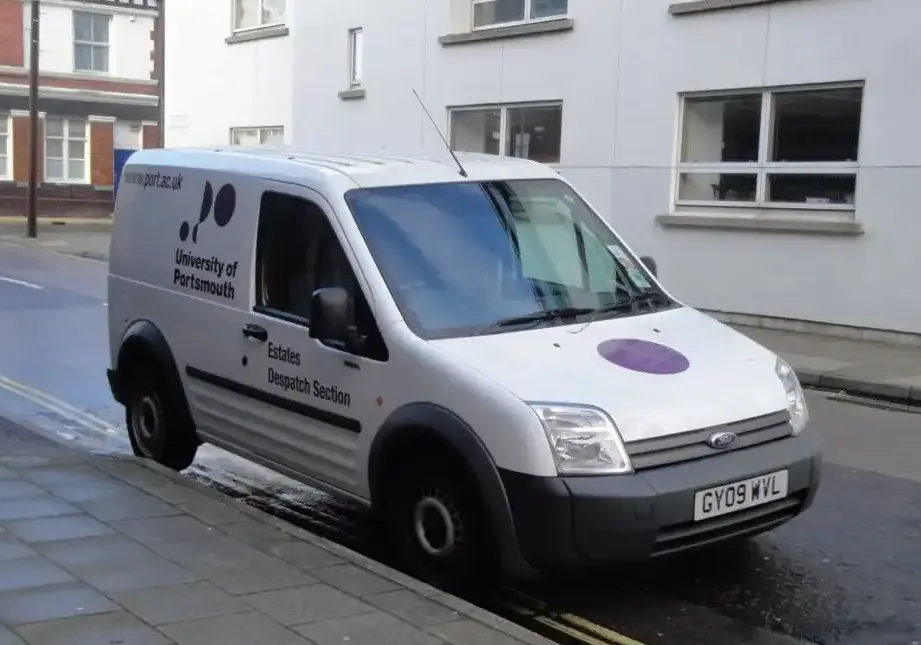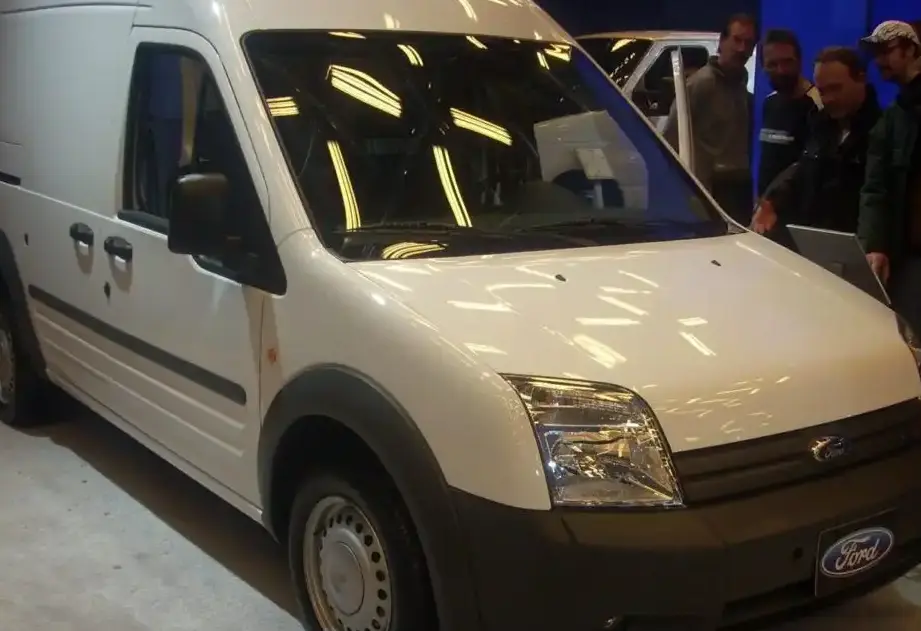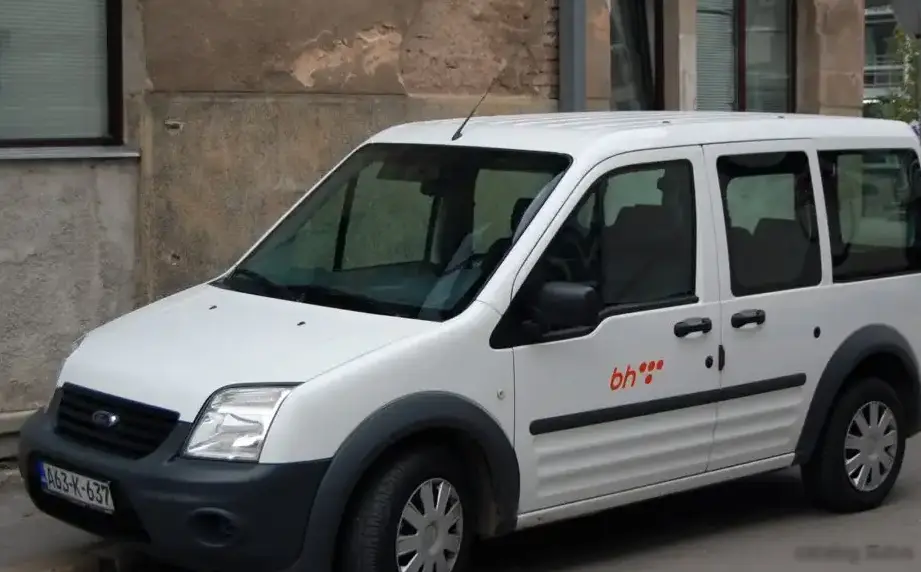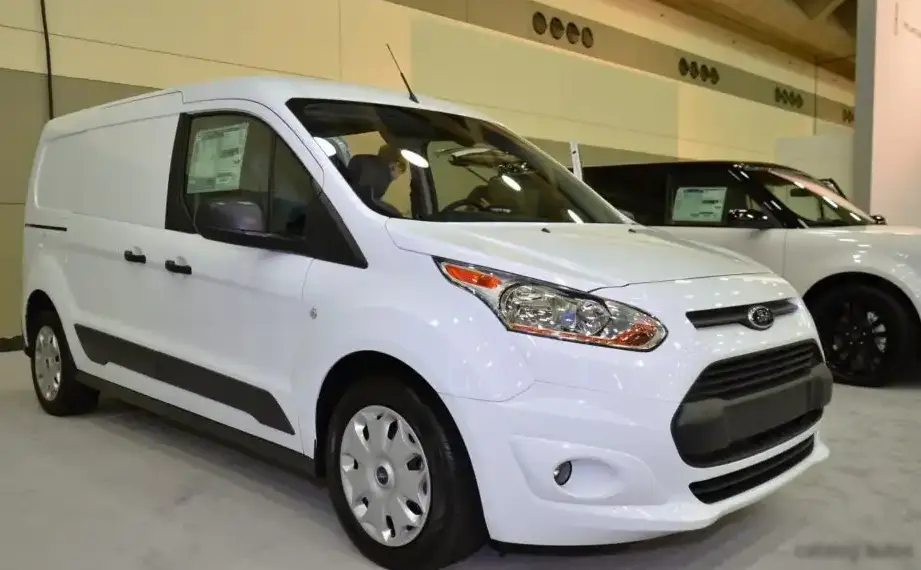
The Ford Transit Connect II Panel Van L2 1.5 TDCi (100 hp) Start-Stop represents a significant iteration in Ford’s popular compact commercial vehicle line. Produced from 2015 to 2018, this variant occupied a key position within the second-generation Transit Connect range, specifically the long-wheelbase (L2) configuration. Designed primarily for European and, to a lesser extent, North American markets, it offered a balance between fuel efficiency, practicality, and affordability, catering to small businesses and tradespeople. This model was part of the larger 1HX0/A3 platform family, sharing components with the Ford Focus.
Technical Specifications
| Brand | Ford |
| Model | Transit Connect |
| Generation | Transit Connect II Panel Van L2 |
| Type (Engine) | 1.5 TDCi (100 Hp) Start-Stop |
| Start of production | 2015 year |
| End of production | 2018 year |
| Powertrain Architecture | Internal Combustion engine |
| Body type | Minivan |
| Seats | 2-3 |
| Doors | 4-5 |
| Fuel consumption (economy) – urban (NEDC) | 4.8 l/100 km (49 US mpg, 58.9 UK mpg, 20.8 km/l) |
| Fuel consumption (economy) – extra urban (NEDC) | 4.3 l/100 km (54.7 US mpg, 65.7 UK mpg, 23.3 km/l) |
| Fuel consumption (economy) – combined (NEDC) | 4.4 l/100 km (53.5 US mpg, 64.2 UK mpg, 22.7 km/l) |
| CO2 emissions (NEDC) | 115 g/km |
| Fuel Type | Diesel |
| Emission standard | Euro 6 |
| Weight-to-power ratio | 14 kg/Hp, 71.6 Hp/tonne |
| Weight-to-torque ratio | 5.6 kg/Nm, 179.1 Nm/tonne |
| Power | 100 Hp |
| Power per litre | 66.7 Hp/l |
| Torque | 250 Nm @ 2000-2500 rpm (184.39 lb.-ft. @ 2000-2500 rpm) |
| Engine layout | Front, Transverse |
| Engine Model/Code | Duratorq / XVGA, XVGB |
| Engine displacement | 1499 cm3 (91.47 cu. in.) |
| Number of cylinders | 4 |
| Engine configuration | Inline |
| Cylinder Bore | 73.5 mm (2.89 in.) |
| Piston Stroke | 88.3 mm (3.48 in.) |
| Number of valves per cylinder | 2 |
| Fuel injection system | Diesel Commonrail |
| Engine aspiration | Turbocharger, Intercooler |
| Valvetrain | SOHC |
| Engine oil capacity | 6.2 l (6.55 US qt | 5.46 UK qt) |
| Coolant | 6 l (6.34 US qt | 5.28 UK qt) |
| Kerb Weight | 1396-1435 kg (3077.65 – 3163.63 lbs.) |
| Max. weight | 2125-2395 kg (4684.82 – 5280.07 lbs.) |
| Max load | 729-960 kg (1607.17 – 2116.44 lbs.) |
| Trunk (boot) space – minimum | 3220 l (113.71 cu. ft.) |
| Trunk (boot) space – maximum | 4400 l (155.38 cu. ft.) |
| Fuel tank capacity | 60 l (15.85 US gal | 13.2 UK gal) |
| Permitted trailer load with brakes (12%) | 1300 kg (2866.01 lbs.) |
| Permitted trailer load without brakes | 740 kg (1631.42 lbs.) |
| Length | 4818 mm (189.69 in.) |
| Width | 1835 mm (72.24 in.) |
| Width including mirrors | 2137 mm (84.13 in.) |
| Height | 1862 mm (73.31 in.) |
| Wheelbase | 3062 mm (120.55 in.) |
| Front track | 1568 mm (61.73 in.) |
| Rear (Back) track | 1584-1585 mm (62.36 – 62.4 in.) |
| Front overhang | 878 mm (34.57 in.) |
| Rear overhang | 878 mm (34.57 in.) |
| Ride height (ground clearance) | 159 mm (6.26 in.) |
| Minimum turning circle (turning diameter) | 12.5 m (41.01 ft.) |
| Drivetrain Architecture | The Internal combustion engine (ICE) drives the front wheels of the vehicle. |
| Drive wheel | Front wheel drive |
| Number of gears and type of gearbox | 5 gears, manual transmission |
| Front suspension | Independent, type McPherson with coil spring and anti-roll bar |
| Rear suspension | Coil spring, Torsion |
| Front brakes | Ventilated discs, 300 mm |
| Rear brakes | Disc, 280 mm |
| Assisting systems | ABS (Anti-lock braking system) |
| Steering type | Steering rack and pinion |
| Power steering | Electric Steering |
| Tires size | 205/60 R16 |
| Wheel rims size | 6.5J x 16 |
INTRODUCTION
The Ford Transit Connect II, launched in 2013, represented a significant step forward for Ford’s compact van offerings. The L2 variant, denoting the long wheelbase, provided increased cargo capacity, making it particularly suitable for businesses requiring more space. The 1.5 TDCi engine, introduced as part of Ford’s EcoBoost engine family, aimed to deliver improved fuel economy and reduced emissions. The 100 hp output, coupled with a manual transmission, positioned this version as an entry-level option, prioritizing affordability and efficiency over outright performance. This model was a common sight on European roads, serving as a workhorse for delivery services, tradespeople, and small businesses.
Powertrain & Engine Architecture
The heart of this Transit Connect variant is the 1.5-liter Duratorq TDCi diesel engine, specifically the XVGA or XVGB engine code. This engine is a four-cylinder, inline configuration, utilizing a single overhead camshaft (SOHC) valvetrain with two valves per cylinder. A key feature is its turbocharger with intercooler, which enhances power output and efficiency. The engine employs a diesel common rail direct injection system, delivering fuel directly into the combustion chamber at high pressure for optimized combustion. The Start-Stop system, standard on this model, automatically shuts off the engine when the vehicle is stationary (e.g., at traffic lights) to further reduce fuel consumption and emissions. The 5-speed manual transmission was the standard offering, providing a balance between fuel economy and usability. The gear ratios were tuned for maximizing fuel efficiency rather than providing rapid acceleration.
Driving Characteristics
The 100 hp 1.5 TDCi engine, paired with the manual transmission, delivers adequate performance for urban and suburban driving. Acceleration is not its strong suit; 0-60 mph times are estimated to be around 13-14 seconds. However, the engine provides sufficient torque (250 Nm or 184 lb-ft) at relatively low RPMs (2000-2500 rpm), making it suitable for carrying loads. The manual transmission allows for greater driver control and contributes to better fuel economy compared to an automatic. Compared to higher-output versions of the Transit Connect (e.g., those with the 1.6-liter EcoBoost petrol engine), this variant feels noticeably less powerful, especially when fully loaded. However, it offers a more economical and practical solution for drivers prioritizing fuel efficiency and lower running costs.
Equipment & Trim Levels
The 1.5 TDCi 100 hp variant typically came with a relatively basic level of equipment, reflecting its position as an entry-level model. Standard features generally included power steering, ABS, driver and passenger airbags, and a basic audio system. Interior upholstery was typically durable cloth. Optional extras included air conditioning, a trip computer, electric windows, and upgraded audio systems. Trim levels varied slightly depending on the market, but generally focused on adding comfort and convenience features rather than significantly altering the mechanical components. The focus was on providing a functional and reliable work vehicle.
Chassis & Braking
The Transit Connect II utilizes a McPherson strut independent suspension at the front, providing a comfortable ride and good handling characteristics. The rear suspension employs a coil spring torsion beam setup, which is a cost-effective and space-efficient solution. Braking is handled by ventilated discs at the front and solid discs at the rear. ABS (Anti-lock Braking System) is standard, enhancing safety during emergency braking situations. The suspension was tuned to prioritize ride comfort and stability when carrying loads, rather than sporty handling. The relatively lightweight construction of the vehicle contributes to its overall efficiency.
Market Reception & Comparison
The Ford Transit Connect II 1.5 TDCi 100 hp received generally positive reviews for its fuel efficiency, practicality, and affordability. Critics praised its spacious interior and versatile cargo area. However, some reviewers noted the engine’s lack of outright power, particularly when fully loaded or driving on hilly terrain. Compared to the petrol-powered versions, the diesel offered significantly better fuel economy, making it a popular choice for businesses with high mileage requirements. Compared to other compact vans in its class, such as the Volkswagen Caddy and Citroën Berlingo, the Transit Connect offered a competitive combination of features and price.
Legacy
The 1.5 TDCi engine, while not known for being exceptionally powerful, has proven to be relatively reliable. Common issues include diesel particulate filter (DPF) problems, particularly on vehicles used primarily for short journeys. Regular maintenance, including oil changes and DPF regeneration, is crucial for ensuring long-term reliability. In the used car market, this variant remains a popular choice for budget-conscious buyers seeking a practical and economical commercial vehicle. Its reputation for fuel efficiency and durability continues to make it a viable option for small businesses and tradespeople.