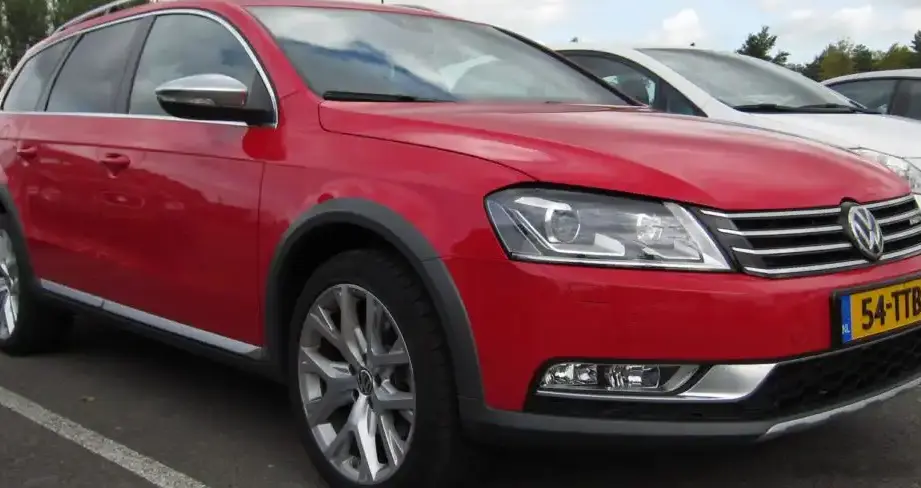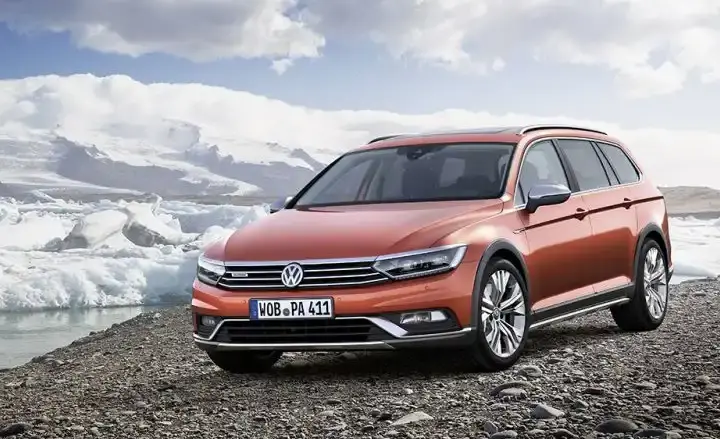
The Volkswagen Passat Variant (B3) 2.0 Syncro, produced between 1990 and 1993, represented a compelling blend of practicality, all-weather capability, and relatively accessible performance within the broader B3 Passat lineup. Positioned as a mid-range offering, it catered to buyers seeking the versatility of a station wagon (estate) with the added security of Volkswagen’s Syncro all-wheel-drive system. This variant was a key component of the B3 generation, which itself was a significant evolution of the Passat, building upon the success of the B2 model and laying the groundwork for future iterations. The B3 platform, designated 1HX0, was shared with other Volkswagen Group vehicles like the Audi 80 and the SEAT Córdoba.
Technical Specifications
| Brand | Volkswagen |
| Model | Passat |
| Generation | Passat Variant (B3) |
| Type (Engine) | 2.0 Syncro (115 Hp) |
| Start of production | 1990 |
| End of production | 1993 |
| Powertrain Architecture | Internal Combustion engine |
| Body type | Station wagon (estate) |
| Seats | 5 |
| Doors | 5 |
| Fuel consumption (urban) | 11.0-12.0 l/100 km (21.4 – 19.6 US mpg, 25.7 – 23.5 UK mpg, 9.1 – 8.3 km/l) |
| Fuel consumption (extra urban) | 6.5-7.2 l/100 km (36.2 – 32.7 US mpg, 43.5 – 39.2 UK mpg, 15.4 – 13.9 km/l) |
| Fuel consumption (combined) | 8.4 l/100 km (28 US mpg, 33.6 UK mpg, 11.9 km/l) |
| Fuel Type | Petrol (Gasoline) |
| Acceleration 0 – 100 km/h | 11.9 sec |
| Acceleration 0 – 62 mph | 11.9 sec |
| Acceleration 0 – 60 mph | 11.3 sec |
| Maximum speed | 191 km/h (118.68 mph) |
| Weight-to-power ratio | 12.4 kg/Hp, 80.7 Hp/tonne |
| Weight-to-torque ratio | 8.3 kg/Nm, 120.7 Nm/tonne |
| Power | 115 Hp @ 5400 rpm |
| Power per litre | 58 Hp/l |
| Torque | 172 Nm @ 3200 rpm (126.86 lb.-ft. @ 3200 rpm) |
| Engine layout | Front, Longitudinal |
| Engine Model/Code | 2E |
| Engine displacement | 1984 cm3 (121.07 cu. in.) |
| Number of cylinders | 4 |
| Engine configuration | Inline |
| Cylinder Bore | 82.5 mm (3.25 in.) |
| Piston Stroke | 92.8 mm (3.65 in.) |
| Compression ratio | 10.3:1 |
| Number of valves per cylinder | 2 |
| Fuel injection system | Multi-port manifold injection |
| Engine aspiration | Naturally aspirated engine |
| Engine oil capacity | 4 l (4.23 US qt | 3.52 UK qt) |
| Coolant capacity | 5 l (5.28 US qt | 4.4 UK qt) |
| Kerb Weight | 1425 kg (3141.59 lbs.) |
| Max. weight | 1870 kg (4122.64 lbs.) |
| Max load | 445 kg (981.06 lbs.) |
| Trunk (boot) space – minimum | 465 l (16.42 cu. ft.) |
| Trunk (boot) space – maximum | 1500 l (52.97 cu. ft.) |
| Fuel tank capacity | 70 l (18.49 US gal | 15.4 UK gal) |
| Length | 4595 mm (180.91 in.) |
| Width | 1720 mm (67.72 in.) |
| Height | 1445 mm (56.89 in.) |
| Wheelbase | 2625 mm (103.35 in.) |
| Front track | 1479 mm (58.23 in.) |
| Rear (Back) track | 1429 mm (56.26 in.) |
| Drive wheel | All wheel drive (4×4) |
| Number of gears and type of gearbox | 5 gears, manual transmission |
| Front suspension | Wishbone |
| Rear suspension | Wishbone |
| Front brakes | Ventilated discs |
| Rear brakes | Disc |
| Assisting systems | ABS (Anti-lock braking system) |
| Steering type | Steering rack and pinion |
| Power steering | Hydraulic Steering |
| Tires size | 185/60 R14 |
| Wheel rims size | 6J x 14 |
Powertrain & Engine Architecture
The heart of the Passat Variant 2.0 Syncro was the 2E engine, a 1984cc inline-four cylinder gasoline engine. This engine was a mainstay of the Volkswagen lineup during the early 1990s, known for its relative durability and straightforward design. It featured a cast iron block and an aluminum cylinder head, employing a single overhead camshaft (SOHC) design with two valves per cylinder. Fuel delivery was handled by Bosch multi-port fuel injection, a significant improvement over earlier carbureted systems, contributing to better fuel efficiency and reduced emissions. The 2E engine produced 115 horsepower at 5400 rpm and 172 Nm (126.86 lb-ft) of torque at 3200 rpm. The engine was mounted longitudinally in the engine bay, a configuration common in front-wheel-drive and all-wheel-drive Volkswagen models. The five-speed manual transmission was a robust unit, designed to handle the increased torque output of the 2.0-liter engine and the demands of the Syncro all-wheel-drive system.
Driving Characteristics
The 2.0 Syncro offered a noticeable step up in performance compared to the base 1.6-liter Passat variants. While not a sports car, the 115 hp engine provided adequate power for comfortable highway cruising and overtaking. Acceleration from 0 to 60 mph took around 11.3 seconds, and the top speed was approximately 118.68 mph. The Syncro all-wheel-drive system significantly enhanced traction, particularly in inclement weather conditions, making it a popular choice in regions with snow or rain. The five-speed manual transmission allowed for precise control over the engine’s power band. Compared to the more powerful VR6 models, the 2.0 Syncro prioritized fuel economy and affordability over outright performance. The gear ratios were tuned for a balance between acceleration and fuel efficiency, with a relatively tall fifth gear for relaxed highway driving.
Equipment & Trim Levels
The Passat Variant 2.0 Syncro typically came equipped with a reasonable level of standard features. Interior appointments included cloth upholstery, a basic stereo system, and manual windows and door locks. Power steering was standard, but air conditioning was often an optional extra. Trim levels varied depending on the market, but generally, the 2.0 Syncro occupied a mid-range position. Optional extras included a sunroof, upgraded stereo systems, and alloy wheels. The interior design was functional and understated, reflecting the German engineering philosophy of the time.
Chassis & Braking
The B3 Passat Variant featured an independent suspension system with wishbone setups at both the front and rear. This provided a comfortable ride and good handling characteristics. The 2.0 Syncro models typically had a slightly stiffer suspension setup compared to the base models to accommodate the added weight of the all-wheel-drive system. Braking duties were handled by ventilated discs at the front and solid discs at the rear. Anti-lock braking system (ABS) was standard, enhancing safety by preventing wheel lockup during hard braking. The Syncro system itself utilized a viscous coupling to distribute power between the front and rear axles, providing automatic all-wheel drive engagement when needed.
Market Reception & Comparison
The Passat Variant 2.0 Syncro was generally well-received by automotive critics. It was praised for its practicality, all-weather capability, and relatively affordable price point. Compared to the more expensive VR6 models, the 2.0 Syncro offered a more sensible option for buyers who prioritized fuel economy and reliability. Fuel economy was respectable for its class, averaging around 28 US mpg in combined driving. Reliability was generally good, although like any vehicle of its age, regular maintenance was essential. The Syncro system added complexity to the drivetrain, potentially increasing maintenance costs compared to front-wheel-drive models.
Legacy
The Volkswagen Passat Variant (B3) 2.0 Syncro remains a popular choice among classic car enthusiasts and collectors. The 2E engine is known for its durability and relatively simple maintenance requirements. While finding parts can sometimes be a challenge, a strong aftermarket support network exists for the B3 Passat. The Syncro all-wheel-drive system continues to be highly valued, particularly in regions with harsh winter conditions. Today, well-maintained examples of the 2.0 Syncro command a reasonable price in the used car market, reflecting their enduring appeal and practicality.