
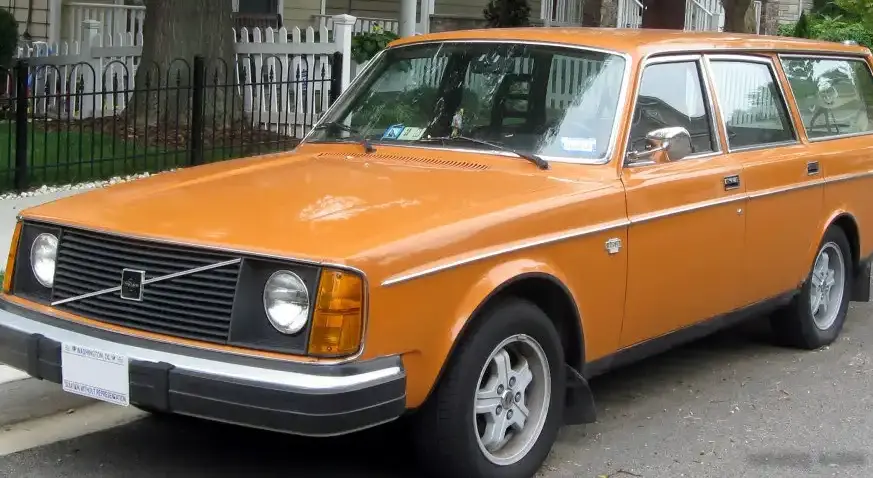
The Volvo 240 Combi (P245) 2.3, produced from 1986 to 1987, represents a refined iteration of Volvo’s iconic and remarkably durable estate car. Falling within the second generation of the 240 series (introduced in 1974), the P245 Combi – Volvo’s designation for the wagon – continued the model’s reputation for safety, practicality, and longevity. This particular 2.3-liter variant, producing 113 horsepower, occupied a middle ground in the 240 lineup, offering a balance between affordability and usable performance. It was positioned as a sensible choice for families and those needing a robust vehicle for work or leisure, without the added cost of the higher-performance GLT or turbo models.
Technical Specifications
| Brand | Volvo |
| Model | 240 |
| Generation | 240 Combi (P245) |
| Type (Engine) | 2.3 (113 Hp) |
| Start of production | 1986 |
| End of production | 1987 |
| Powertrain Architecture | Internal Combustion engine |
| Body type | Station wagon (estate) |
| Seats | 5 |
| Doors | 5 |
| Fuel Type | Petrol (Gasoline) |
| Power | 113 Hp |
| Engine Model/Code | B230F |
| Engine aspiration | Naturally aspirated engine |
| Engine oil capacity | 3.85 l / 4.07 US qt / 3.39 UK qt |
| Coolant capacity | 9.5 l / 10.04 US qt / 8.36 UK qt |
Powertrain & Engine Architecture
The heart of the 240 Combi 2.3 is the B230F engine, a 2.3-liter inline-four cylinder powerplant. This engine is a cornerstone of Volvo’s engineering philosophy of overbuilding for reliability. The B230F is a naturally aspirated, indirect injection gasoline engine. It features a cast iron block and an aluminum cylinder head, contributing to its durability. Fuel delivery is managed by Bosch mechanical fuel injection – a system known for its robustness, though less sophisticated than later electronic fuel injection systems. The engine utilizes a single overhead camshaft (SOHC) valvetrain, operating two valves per cylinder. This configuration prioritized low-end torque and smooth operation over outright peak horsepower.
The 2.3-liter engine was typically paired with a four-speed automatic transmission (AW71), sourced from Aisin-Warner. This transmission was chosen for its smoothness and reliability, aligning with the overall character of the 240. The AW71 is a hydraulically controlled automatic, offering three forward gears and reverse. While not known for its sporty responsiveness, it provided comfortable and effortless cruising, particularly well-suited for the Combi’s intended role as a family vehicle or workhorse. The automatic transmission’s gear ratios were geared towards fuel efficiency and relaxed highway driving, rather than quick acceleration.
Driving Characteristics
The 240 Combi 2.3 with the automatic transmission delivers a driving experience characterized by comfort and predictability. Acceleration is adequate for everyday driving, with 0-60 mph times estimated around 12-13 seconds. However, it’s noticeably slower than the manual transmission versions or the higher-output GLT models. The automatic transmission, while smooth, does sap some of the engine’s power, resulting in a less engaging driving experience. The emphasis is on relaxed cruising and ease of use. The relatively tall gear ratios in the AW71 transmission contribute to good fuel economy at highway speeds, but can feel sluggish during overtaking maneuvers. The 240’s renowned suspension – featuring a MacPherson strut front suspension and a solid rear axle with coil springs – provides a comfortable ride, even when fully loaded. Steering is relatively heavy, but provides good feedback.
Equipment & Trim Levels
The 240 Combi 2.3 typically came equipped with a fairly comprehensive list of standard features for its time. These included power steering, front disc brakes, and cloth upholstery. The interior was functional and durable, prioritizing practicality over luxury. Dashboard design was typically understated, with clearly marked gauges and simple controls. Optional extras included a sunroof, air conditioning, and upgraded stereo systems. The trim level often dictated the quality of the interior materials, with higher-spec models featuring more comfortable seats and upgraded door panels. The 2.3 model generally sat between the base models and the more luxurious GLT trim in terms of standard equipment.
Chassis & Braking
The 240 Combi’s chassis is a robust unit-body construction, renowned for its crashworthiness. The front suspension utilizes MacPherson struts, while the rear features a solid axle with coil springs. This combination provides a comfortable ride and good load-carrying capacity. Braking duties are handled by disc brakes at the front and drum brakes at the rear. While the drum brakes at the rear were adequate for most driving conditions, they were a point of criticism compared to the all-disc brake setups found on higher-spec models. The 240 also featured a hydraulic braking system with a dual-circuit master cylinder for added safety. Stabilizer bars were fitted to both the front and rear axles, helping to reduce body roll during cornering.
Market Reception & Comparison
The Volvo 240 Combi 2.3 was generally well-received by critics and consumers alike. It was praised for its safety, reliability, and practicality. However, the automatic transmission and 2.3-liter engine were sometimes criticized for being underpowered, particularly when compared to the manual transmission versions or the GLT models. Fuel economy was considered reasonable for its class, but not exceptional. Compared to other wagons of the era, such as the Ford Fairmont wagon or the Chevrolet Cavalier wagon, the 240 Combi offered a more refined driving experience and a reputation for superior build quality. The 240’s higher price point reflected its Swedish engineering and commitment to safety.
Legacy
The Volvo 240 series, and the P245 Combi in particular, has achieved a legendary status among automotive enthusiasts. The B230 engine is renowned for its durability and ability to withstand high mileage. The automatic transmission, while not the most exciting, is also known for its reliability. Today, well-maintained 240 Combis are highly sought after by collectors and enthusiasts. They are appreciated for their classic styling, robust construction, and timeless appeal. Parts availability remains relatively good, thanks to a dedicated aftermarket and the engine’s widespread use in other Volvo models. The 240 Combi 2.3 represents a sweet spot in the lineup, offering a balance of affordability, practicality, and the legendary Volvo durability that has made the 240 series a true automotive icon.
