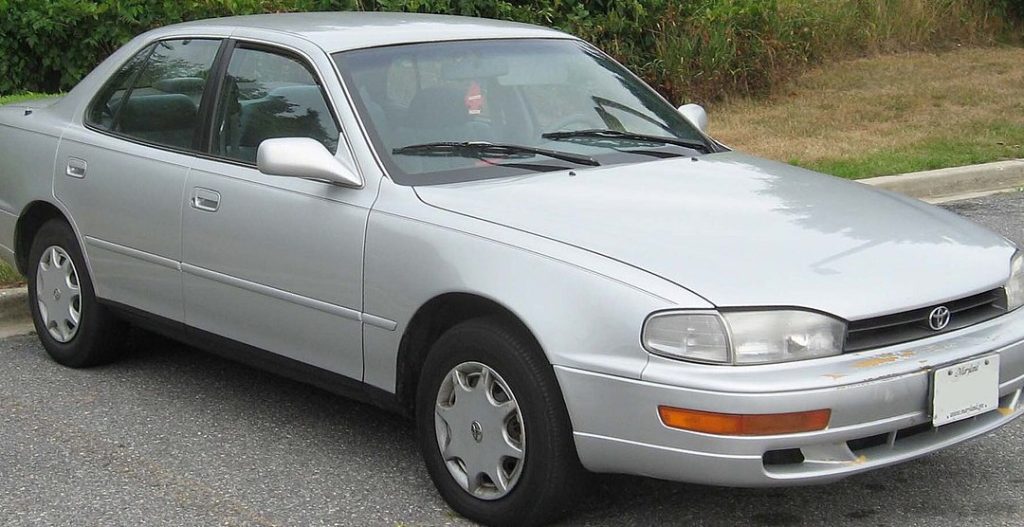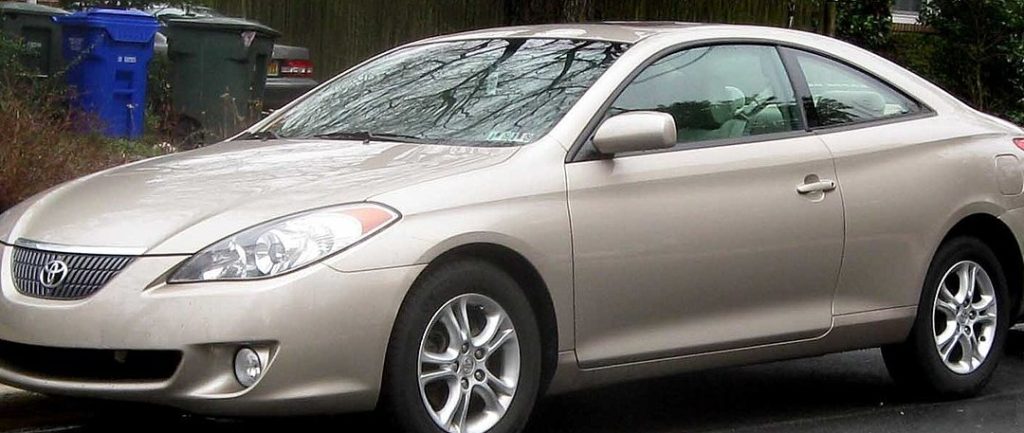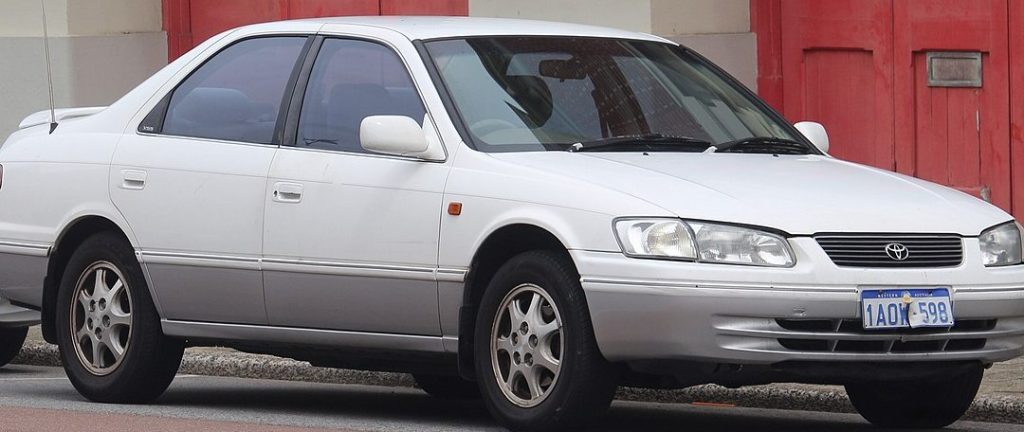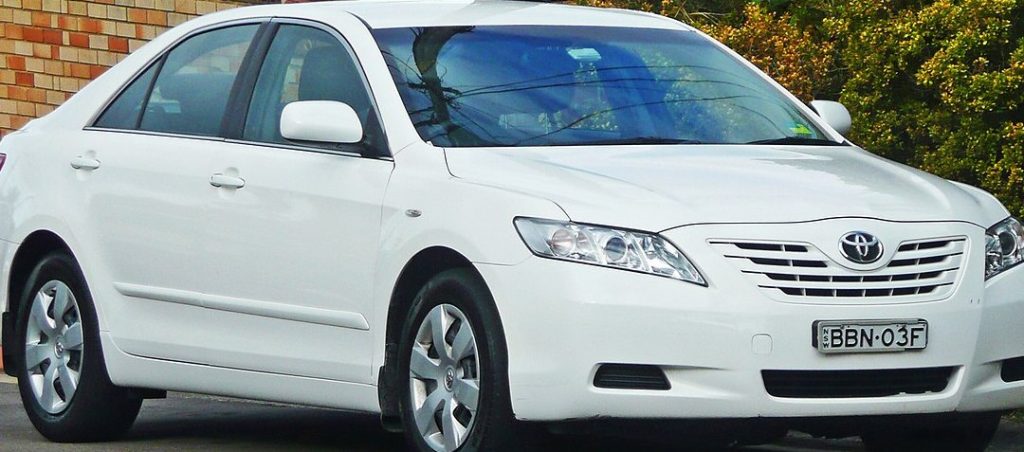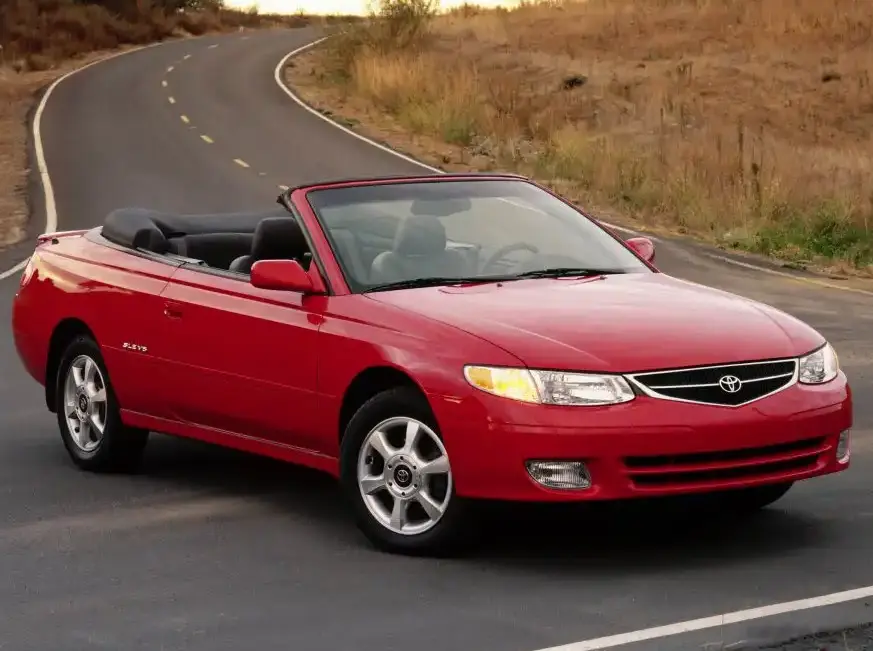
The Toyota Camry Solara Convertible, specifically the 3.0i V6 24V variant produced between 1999 and 2001, represented Toyota’s foray into the mid-size convertible market. Part of the fifth-generation Camry (XV20 platform), the Solara aimed to offer a more stylish and premium alternative to the traditional Camry sedan, capitalizing on the growing popularity of retractable hardtop convertibles. This particular 3.0i trim occupied the upper echelon of the Solara lineup, offering a significant performance upgrade over the base 2.2-liter four-cylinder models. It was positioned as a comfortable, well-equipped grand tourer, appealing to buyers seeking open-air motoring without sacrificing reliability or refinement.
Technical Specifications
| Brand | Toyota |
| Model | Camry |
| Generation | Camry Solara I Convertible (Mark V) |
| Type (Engine) | 3.0i V6 24V (200 Hp) Automatic |
| Start of production | 1999 |
| End of production | 2001 |
| Powertrain Architecture | Internal Combustion engine |
| Body type | Cabriolet |
| Seats | 4 |
| Doors | 2 |
| Fuel consumption (urban) | 12.3 l/100 km (19.1 US mpg) |
| Fuel consumption (extra urban) | 9 l/100 km (26.1 US mpg) |
| Fuel Type | Petrol (Gasoline) |
| Weight-to-power ratio | 7.9 kg/Hp |
| Weight-to-torque ratio | 5.5 kg/Nm |
| Power | 200 Hp @ 5200 rpm |
| Power per litre | 66.8 Hp/l |
| Torque | 290 Nm @ 4300 rpm (213.89 lb.-ft. @ 4300 rpm) |
| Engine layout | Front, Transverse |
| Engine Model/Code | 1MZ-FE |
| Engine displacement | 2994 cm3 (182.71 cu. in.) |
| Number of cylinders | 6 |
| Engine configuration | V-engine |
| Cylinder Bore | 87.5 mm (3.44 in.) |
| Piston Stroke | 83 mm (3.27 in.) |
| Compression ratio | 10.5:1 |
| Number of valves per cylinder | 4 |
| Fuel injection system | Multi-port manifold injection |
| Engine aspiration | Naturally aspirated engine |
| Valvetrain | DOHC |
| Engine oil capacity | 4.7 l (4.97 US qt | 4.14 UK qt) |
| Coolant | 8.8 l (9.3 US qt | 7.74 UK qt) |
| Kerb Weight | 1581 kg (3485.51 lbs.) |
| Trunk (boot) space – minimum | 249 l (8.79 cu. ft.) |
| Fuel tank capacity | 70 l (18.49 US gal | 15.4 UK gal) |
| Length | 4826 mm (190 in.) |
| Width | 1806 mm (71.1 in.) |
| Height | 1400 mm (55.12 in.) |
| Wheelbase | 2670 mm (105.12 in.) |
| Front track | 1544 mm (60.79 in.) |
| Rear (Back) track | 1519 mm (59.8 in.) |
| Ride height (ground clearance) | 135 mm (5.31 in.) |
| Drag coefficient (Cd) | 0.31 |
| Minimum turning circle (turning diameter) | 11.6 m (38.06 ft.) |
| Drivetrain Architecture | The Internal combustion engine (ICE) drives the front wheels of the vehicle. |
| Drive wheel | Front wheel drive |
| Number of gears and type of gearbox | 4 gears, automatic transmission ECT-i |
| Front suspension | Independent, type McPherson with coil spring and anti-roll bar |
| Rear suspension | Independent multi-link spring suspension with stabilizer |
| Front brakes | Ventilated discs |
| Rear brakes | Disc |
| Assisting systems | ABS (Anti-lock braking system) |
| Steering type | Steering rack and pinion |
| Power steering | Hydraulic Steering |
| Tires size | 205/65 R15; 205/60 R16 |
| Wheel rims size | 15; 16 |
Powertrain & Engine Architecture
The heart of the 3.0i Solara Convertible was Toyota’s 1MZ-FE 3.0-liter V6 engine. This engine, a mainstay of Toyota’s lineup throughout the 1990s and early 2000s, was known for its smoothness and reliability. It featured a 60-degree V-angle, dual overhead camshafts (DOHC), and four valves per cylinder. The 1MZ-FE utilized a multi-port fuel injection system, delivering fuel directly to each intake port for optimized combustion. The engine produced 200 horsepower at 5200 rpm and 290 Nm (213.89 lb-ft) of torque at 4300 rpm. Paired with this engine was a four-speed automatic transmission with “ECT-i” (Electronically Controlled Transmission – intelligent) technology. This transmission aimed to provide smoother shifts and adapt to driving conditions. The transmission’s gear ratios were tuned for comfortable cruising rather than outright acceleration, prioritizing a relaxed driving experience.
Driving Characteristics
The 3.0i Solara Convertible offered a comfortable and refined driving experience. While not a sports car, the V6 engine provided ample power for merging onto highways and passing maneuvers. The automatic transmission, while not offering manual control, delivered smooth and predictable shifts. Compared to the base 2.2-liter four-cylinder models, the 3.0i offered a noticeable improvement in acceleration and overall responsiveness. However, it wasn’t as sporty or engaging as some of its competitors, such as the Mazda MX-5 Miata or BMW Z3. The Solara’s weight, approximately 3485 lbs, contributed to a slightly less nimble feel. The suspension was tuned for comfort, absorbing bumps and providing a stable ride, but it didn’t offer the sharp handling characteristics of a dedicated sports car.
Equipment & Trim Levels
The 3.0i Solara Convertible was generally well-equipped, reflecting its position as the premium trim level. Standard features typically included air conditioning, power windows and locks, cruise control, a CD player, and alloy wheels. Leather upholstery was often standard, along with wood-grain interior trim. Optional extras included a premium sound system, power-adjustable seats, and a retractable hardtop. The interior design was generally conservative and focused on comfort and ease of use. The dashboard layout was straightforward, with clearly labeled controls.
Chassis & Braking
The Solara Convertible utilized a front-wheel-drive chassis with an independent McPherson strut suspension in the front and an independent multi-link suspension in the rear. This suspension setup aimed to provide a balance between ride comfort and handling. The front suspension incorporated a stabilizer bar to reduce body roll during cornering. Braking duties were handled by ventilated discs in the front and solid discs in the rear. An Anti-lock Braking System (ABS) was standard, enhancing safety and control during hard braking. The steering system was a rack-and-pinion setup with hydraulic power assistance, providing responsive and precise steering feel.
Market Reception & Comparison
The Toyota Camry Solara Convertible was generally well-received by critics, who praised its comfortable ride, smooth engine, and reliable build quality. However, some reviewers noted that it lacked the sporty character of some of its competitors. Fuel economy was considered average for its class, with EPA estimates around 19 mpg city and 26 mpg highway. Compared to the four-cylinder Solara models, the 3.0i offered significantly better performance but at the cost of slightly lower fuel economy. The Solara also faced competition from other mid-size convertibles, such as the Chrysler Sebring Convertible and the Ford Mustang Convertible.
Legacy
The Toyota Camry Solara Convertible, particularly the 3.0i V6 variant, has proven to be a relatively reliable vehicle over the long term. The 1MZ-FE engine is known for its durability, and with proper maintenance, it can last for many years. Today, the Solara Convertible remains a relatively affordable option in the used car market. While it may not be a collector’s item, it offers a comfortable and stylish way to enjoy open-air motoring. Parts availability is generally good, thanks to the widespread use of Toyota components. The Solara represents a unique chapter in Toyota’s history, demonstrating the brand’s willingness to experiment with different body styles and cater to a wider range of customer preferences.