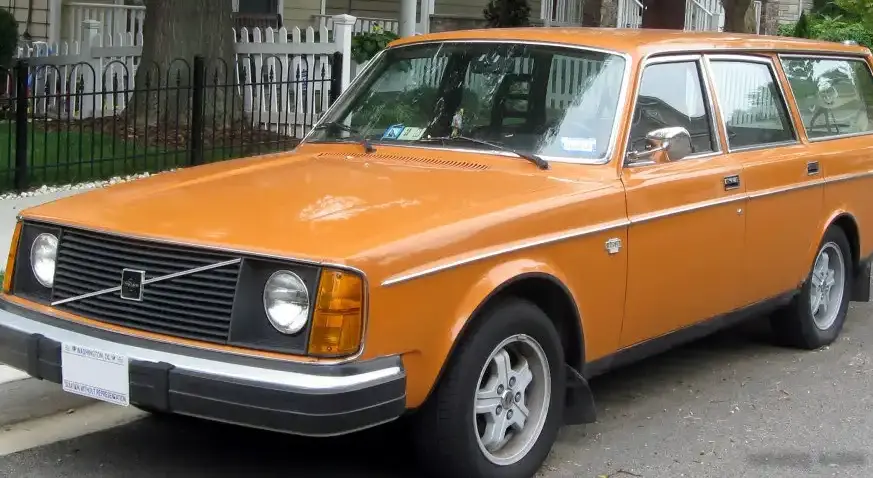
The Volvo 240 2.0, specifically the variant produced between 1984 and 1985 with the B200K engine producing 103 horsepower, represents a pivotal point in Volvo’s long-running 240 series. This model, designated P242 (coupe) and P244 (sedan), served as a more economical entry point into the 240 range, offering the renowned Volvo safety and durability at a lower price point than the higher-powered, fuel-injected versions. It was a transitional model, bridging the gap between the earlier carbureted 240s and the later, more technologically advanced iterations. The 240 series, built on Volvo’s robust rear-wheel-drive platform, was a mainstay of the brand for nearly two decades, and this 2.0-liter version played a significant role in maintaining its popularity, particularly in markets where fuel economy and affordability were paramount.
Technical Specifications
| Brand | Volvo |
| Model | 240 |
| Generation | 240 (P242, P244) |
| Type (Engine) | 2.0 (103 Hp) |
| Start of Production | 1984 |
| End of Production | 1985 |
| Powertrain Architecture | Internal Combustion Engine |
| Body Type | Sedan/Coupe |
| Fuel Type | Petrol (Gasoline) |
| Power | 103 Hp |
| Engine Model/Code | B200K |
| Engine Aspiration | Naturally Aspirated |
| Engine Oil Capacity | 3.9 l (4.12 US qt | 3.43 UK qt) |
| Coolant Capacity | 9.4 l (9.93 US qt | 8.27 UK qt) |
Powertrain & Engine Architecture
The heart of the 1984-1985 Volvo 240 2.0 is the B200K engine, a 1,986 cc (121.1 cubic inch) inline-four cylinder. This engine is a descendant of Volvo’s long-standing ‘Redblock’ family, known for its over-engineered robustness. The ‘K’ designation signifies a version optimized for emissions regulations and fuel economy. Unlike the earlier B20 engines which utilized a carburetor, the B200K featured Bosch K-Jetronic mechanical fuel injection. This system, while not as sophisticated as later electronic fuel injection, offered improved fuel efficiency and reduced emissions compared to carbureted setups. The engine boasts a cast iron block and an aluminum cylinder head, contributing to its durability. It employs a single overhead camshaft (SOHC) operating two valves per cylinder. The B200K produced 103 horsepower at 5,200 rpm and 109 lb-ft of torque at 3,100 rpm. The engine was typically paired with a four-speed automatic transmission (AW71), although a five-speed manual transmission was also available as an option. The AW71 automatic, manufactured by Aisin-Warner, was a hydraulic-controlled unit known for its smoothness but not particularly quick shifts.
Driving Characteristics
The 2.0-liter automatic Volvo 240 offered a comfortable, if not particularly sporty, driving experience. The automatic transmission, while smooth, noticeably dulled the engine’s performance. Acceleration was adequate for everyday driving, but overtaking maneuvers required careful planning. Compared to the 2.1-liter fuel-injected versions or the manual transmission variants, the 2.0 automatic felt significantly slower. The AW71’s gear ratios were geared towards fuel economy and cruising comfort, rather than outright performance. The rear-wheel-drive layout provided a balanced feel, and the relatively heavy chassis contributed to a stable ride. Steering was unassisted, requiring a bit of effort at low speeds, but providing good feedback. The suspension, consisting of coil springs and anti-roll bars, was tuned for comfort, absorbing bumps and imperfections in the road effectively. This variant was not intended for performance enthusiasts; it was aimed at buyers prioritizing practicality, safety, and a relaxed driving experience.
Equipment & Trim Levels
The 240 2.0 typically represented the base trim level within the 240 range. Standard equipment included cloth upholstery, a basic AM/FM radio, and manual windows and door locks. Power steering and air conditioning were often optional extras. Interior trim was generally functional and durable, reflecting Volvo’s emphasis on practicality. Dashboard design was simple and straightforward, with clearly marked gauges. Optional extras included a sunroof, upgraded audio systems, and heated seats. The exterior featured minimal chrome trim, and wheel covers were typically standard, with alloy wheels available as an upgrade. Safety features, however, were always a priority, even on the base model, and included seat belts for all occupants and a reinforced safety cage.
Chassis & Braking
The Volvo 240 chassis was a robust, body-on-frame construction, contributing to its legendary durability. The front suspension utilized independent coil springs and wishbones, while the rear suspension employed a solid axle with coil springs and a stabilizer bar. Braking systems varied depending on the specific market and year. Early models often featured drum brakes on the rear wheels, while later models, including some 1984-1985 versions, were upgraded to disc brakes all around. The braking system was hydraulic, with front discs and rear drums being the most common configuration for this trim level. The steering was a traditional recirculating ball system, providing a solid feel but lacking the precision of more modern steering technologies.
Market Reception & Comparison
The Volvo 240 2.0 automatic was generally well-received as a sensible and reliable family car. Critics praised its safety features, durability, and comfortable ride. However, the performance of the 2.0-liter engine, particularly when paired with the automatic transmission, was often criticized as being underwhelming. Compared to the 2.1-liter fuel-injected models, the 2.0 offered significantly less power and acceleration. Fuel economy was a strong point, however, making it an attractive option for buyers concerned about running costs. The 2.0 automatic was positioned as a more affordable alternative to the higher-performance trims, appealing to a broader range of buyers who prioritized practicality and safety over outright speed. Reliability was a key selling point, and the B200K engine proved to be exceptionally durable with proper maintenance.
Legacy
The Volvo 240 2.0, and the 240 series as a whole, has achieved a legendary status among automotive enthusiasts. Its reputation for durability and reliability has ensured a strong following in the used car market. The B200K engine, while not a powerhouse, is known for its longevity and relatively simple maintenance requirements. Parts availability remains good, making it a relatively easy car to keep on the road. Today, these Volvos are often sought after by those looking for a classic car that is both reliable and safe. The 2.0 automatic, while not the most desirable variant in terms of performance, represents an affordable entry point into the world of classic Volvo ownership, offering a taste of the brand’s renowned engineering and build quality. The car’s simple design and robust construction continue to make it a popular choice for restoration projects and everyday driving.