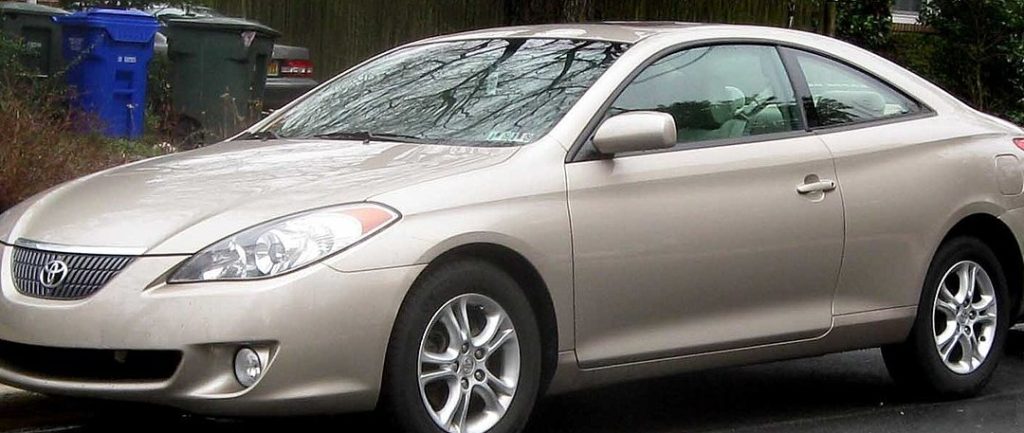
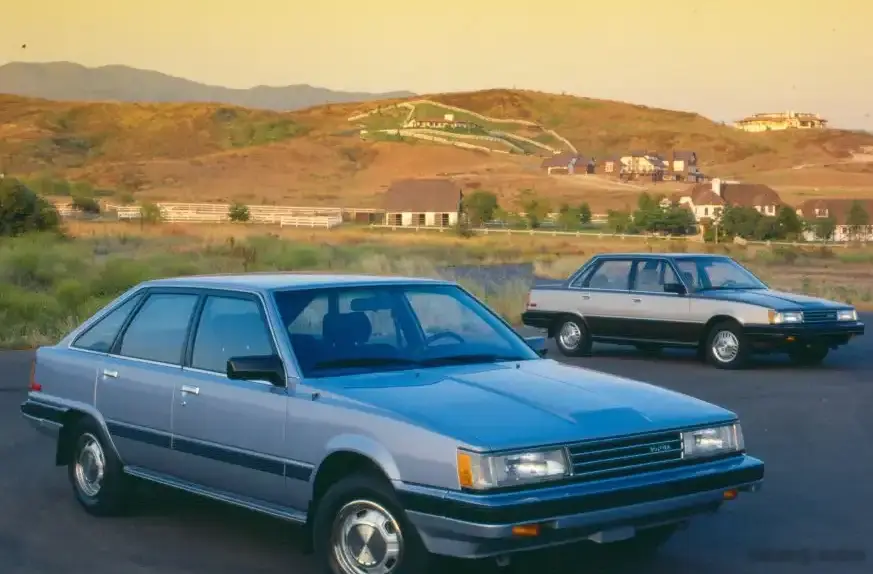
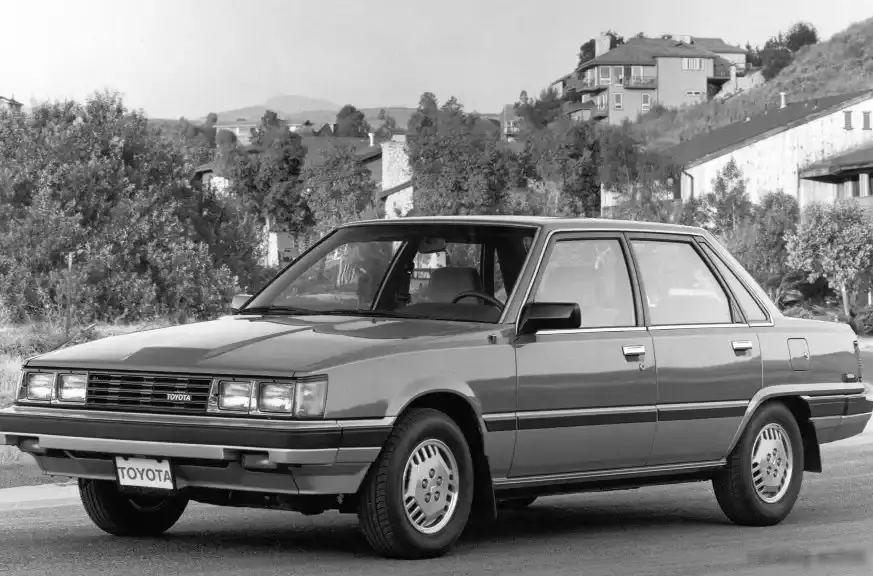
The Toyota Camry Solara, introduced for the 2002 model year, represented Toyota’s foray into the coupe market, aiming to offer a more stylish alternative to the traditionally conservative Camry sedan. The 2.4-liter 16V (157 hp) variant, produced from 2001 to 2003, was positioned as the entry-level engine option for the Solara, offering a balance of affordability and reasonable performance. This model occupied a unique space, bridging the gap between the base Camry sedan and the more performance-oriented trims. It was part of the fifth-generation Camry (XV40) family, benefiting from the platform’s established reliability and comfort. The Solara itself was a limited-production model, discontinued after 2009, making these early 2.4L versions increasingly collectible.
Technical Specifications
| Brand | Toyota |
| Model | Camry Solara |
| Generation | Camry Solara I (Mark V, facelift 2001) |
| Type (Engine) | 2.4 16V (157 Hp) |
| Start of production | 2001 |
| End of production | 2003 |
| Powertrain Architecture | Internal Combustion engine |
| Body type | Coupe |
| Seats | 5 |
| Doors | 2 |
| Fuel consumption (urban) | 9.8 l/100 km (24 US mpg) |
| Fuel consumption (extra urban) | 7.1 l/100 km (33.1 US mpg) |
| Fuel Type | Petrol (Gasoline) |
| Weight-to-power ratio | 8.9 kg/Hp |
| Weight-to-torque ratio | 6.3 kg/Nm |
| Power | 157 Hp @ 5600 rpm |
| Power per litre | 66.5 Hp/l |
| Torque | 220 Nm @ 4000 rpm (162.26 lb.-ft. @ 4000 rpm) |
| Engine layout | Front, Transverse |
| Engine Model/Code | 2AZ-FE |
| Engine displacement | 2362 cm3 (144.14 cu. in.) |
| Number of cylinders | 4 |
| Engine configuration | Inline |
| Cylinder Bore | 88.5 mm (3.48 in.) |
| Piston Stroke | 96 mm (3.78 in.) |
| Compression ratio | 9.6:1 |
| Number of valves per cylinder | 4 |
| Fuel injection system | Multi-port manifold injection |
| Engine aspiration | Naturally aspirated engine |
| Valvetrain | DOHC |
| Engine oil capacity | 3.8 l (4.02 US qt | 3.34 UK qt) |
| Coolant capacity | 6.2 l (6.55 US qt | 5.46 UK qt) |
| Kerb Weight | 1395 kg (3075.45 lbs.) |
| Trunk (boot) space | 391 l (13.81 cu. ft.) |
| Fuel tank capacity | 70 l (18.49 US gal | 15.4 UK gal) |
| Length | 4864 mm (191.5 in.) |
| Width | 1806 mm (71.1 in.) |
| Height | 1400 mm (55.12 in.) |
| Wheelbase | 2670 mm (105.12 in.) |
| Front track | 1544 mm (60.79 in.) |
| Rear track | 1519 mm (59.8 in.) |
| Ride height (ground clearance) | 135 mm (5.31 in.) |
| Drag coefficient (Cd) | 0.31 |
| Minimum turning circle | 11.6 m (38.06 ft.) |
| Drivetrain Architecture | Front wheel drive |
| Number of gears | 5 |
| Gearbox type | Manual transmission |
| Front suspension | Independent, McPherson with coil spring and anti-roll bar |
| Rear suspension | Independent multi-link with stabilizer |
| Front brakes | Ventilated discs |
| Rear brakes | Drum |
| Assisting systems | ABS (Anti-lock braking system) |
| Steering type | Steering rack and pinion |
| Power steering | Hydraulic |
| Tires size | 205/65 R15 |
| Wheel rims size | 15 |
Powertrain & Engine Architecture
The heart of the 2001-2003 Camry Solara 2.4L was the 2AZ-FE engine, a 2.4-liter inline-four cylinder powerplant. This engine was a member of Toyota’s ‘AZ’ family, known for its durability and relatively simple design. It featured a double overhead camshaft (DOHC) valvetrain with four valves per cylinder, contributing to its respectable power output for its displacement. Fuel delivery was handled by a multi-port fuel injection system, optimizing combustion efficiency. The 2AZ-FE produced 157 horsepower at 5600 rpm and 220 Nm (162 lb-ft) of torque at 4000 rpm. This engine was paired with a 5-speed manual transmission, offering drivers a more engaging driving experience than the optional 4-speed automatic. The engine’s transverse mounting and front-wheel-drive configuration were standard for the Camry platform.
Driving Characteristics
The 2.4L Solara offered a comfortable and predictable driving experience. While not a sports car, the engine provided adequate power for everyday driving and highway cruising. Acceleration was reasonable, though noticeably slower than the V6-powered Solara variants. The 5-speed manual transmission allowed drivers to keep the engine in its optimal power band, enhancing responsiveness. The gear ratios were tuned for fuel efficiency and smooth operation, rather than outright performance. Compared to the automatic transmission, the manual offered a more connected feel and better control. The Solara’s suspension, tuned for comfort, absorbed bumps well, providing a smooth ride. However, this came at the expense of sharp handling, with some body roll noticeable in corners.
Equipment & Trim Levels
The 2.4L Solara typically came with a standard equipment list that included air conditioning, power windows and locks, a CD player, and cloth upholstery. Safety features such as ABS brakes and dual front airbags were also standard. Optional extras included a sunroof, upgraded audio system, leather upholstery, and alloy wheels. The trim level for the 2.4L Solara was generally considered the base model, offering a more affordable entry point into the Solara lineup. It was positioned below the higher-trim V6 models, which featured more luxurious appointments and enhanced performance.
Chassis & Braking
The Camry Solara utilized a front-wheel-drive chassis with an independent McPherson strut suspension in the front and an independent multi-link suspension in the rear. This suspension setup provided a comfortable ride and decent handling characteristics. The front brakes were ventilated discs, offering good stopping power, while the rear brakes were drum brakes, a cost-saving measure for the base model. A stabilizer bar was included on both axles to reduce body roll during cornering. The steering was a rack-and-pinion system with hydraulic power assist, providing a light and responsive feel.
Market Reception & Comparison
The 2.4L Camry Solara received mixed reviews. Critics praised its comfortable ride, spacious interior, and Toyota’s reputation for reliability. However, some found the engine underpowered, especially compared to the available V6. Fuel economy was generally considered good for its class, averaging around 24 mpg in the city and 33 mpg on the highway. Compared to the V6 Solara, the 2.4L offered a more affordable price point but sacrificed performance. The 2.4L was also more fuel-efficient than the V6, making it a more practical choice for daily commuting. Against competitors like the Honda Accord Coupe and the Mazda MX-6, the Solara offered a compelling combination of comfort, reliability, and value.
Legacy
The 2.4L Camry Solara has proven to be a reliable and durable vehicle. The 2AZ-FE engine is known for its longevity, and with proper maintenance, can easily exceed 200,000 miles. Today, these early Solara models are becoming increasingly sought after by collectors and enthusiasts. While not as desirable as the V6 versions, the 2.4L offers a more affordable entry point into Solara ownership. Parts availability is generally good, thanks to the Camry’s widespread popularity. The 2.4L Solara represents a unique chapter in Toyota’s history, offering a stylish and comfortable coupe option for those seeking a reliable and practical vehicle.