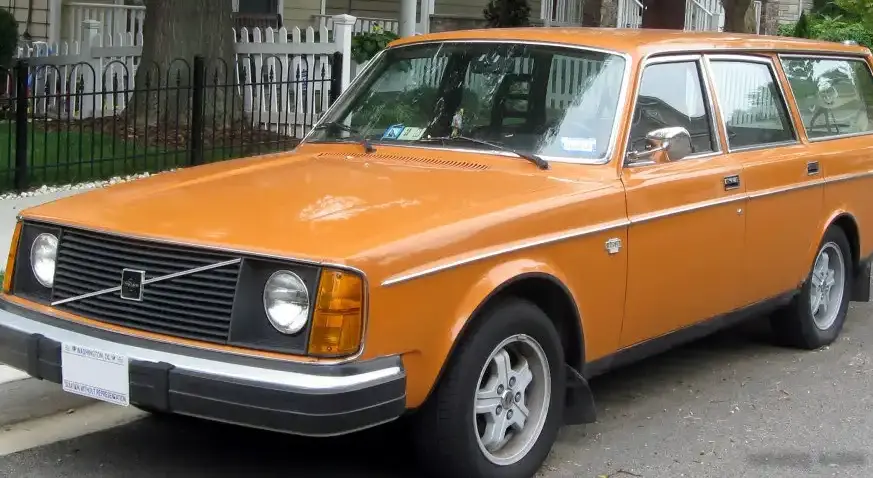
The Volvo 240 2.1, producing 100 horsepower, represented a significant iteration within the long-running and highly successful 240 series. Produced from 1979 to 1980 (primarily as a transition model), this variant – designated as the P242 (coupe) and P244 (sedan) – served as a crucial stepping stone between the earlier B20-powered models and the later, fuel-injected B23 variants. It occupied a middle ground in the 240 lineup, offering a balance of affordability, practicality, and reasonable performance for the North American and European markets. The 240 series, built on Volvo’s robust rear-wheel-drive platform, was renowned for its safety, durability, and longevity, becoming a staple for families and those seeking a dependable vehicle.
Technical Specifications
| Brand | Volvo |
| Model | 240 |
| Generation | 240 (P242, P244) |
| Type (Engine) | 2.1 (100 Hp) |
| Start of Production | 1979 |
| End of Production | 1980 |
| Powertrain Architecture | Internal Combustion Engine |
| Body Type | Sedan/Coupe |
| Fuel Type | Petrol (Gasoline) |
| Power | 100 Hp |
| Engine Model/Code | B21A |
| Engine Aspiration | Naturally Aspirated |
Powertrain & Engine Architecture
The heart of the Volvo 240 2.1 was the B21A engine, a 2.1-liter (2127cc) inline-four cylinder powerplant. This engine represented an evolution of Volvo’s earlier B20 design, featuring a slightly increased bore size. The B21A was a naturally aspirated engine, relying on atmospheric pressure for intake, and utilized a cast iron block and an aluminum cylinder head. Fuel delivery was managed by a Bosch mechanical fuel injection system, a significant upgrade from the carburetors used in earlier 240 models. This system, while not as sophisticated as later electronic fuel injection, offered improved fuel efficiency and reduced emissions compared to carbureted engines. The engine featured a single overhead camshaft (SOHC) valvetrain, operating two valves per cylinder.
The 100 horsepower output was achieved at approximately 5200 rpm, with peak torque of around 128 lb-ft at 3000 rpm. This engine was typically paired with either a four-speed manual transmission (M46) or a three-speed automatic transmission (BW35). The automatic transmission, sourced from Borg-Warner, was known for its durability but relatively slow shift times. The automatic was a popular choice for North American buyers prioritizing convenience over outright performance.
Driving Characteristics
The 240 2.1 with the automatic transmission offered a comfortable, if not particularly sporty, driving experience. Acceleration was adequate for everyday driving, with a 0-60 mph time estimated around 12-14 seconds. The automatic transmission’s gear ratios were geared towards fuel economy and smooth cruising rather than rapid acceleration. The B21A engine provided sufficient torque for highway passing maneuvers, but required a deliberate kickdown of the automatic transmission. Compared to the manual transmission versions, the automatic 2.1 felt noticeably slower, particularly in situations demanding quick acceleration. The manual transmission offered a more engaging driving experience and slightly improved fuel economy. Compared to the later 240 models equipped with the B23 engine (which produced more horsepower and torque), the 2.1 felt underpowered, especially when fully loaded with passengers and cargo. However, the B21A’s smooth power delivery and the 240’s comfortable suspension made it a pleasant long-distance cruiser.
Equipment & Trim Levels
The 240 2.1 typically came with a fairly basic level of standard equipment, reflecting its position as a mid-range offering. Standard features generally included cloth upholstery, vinyl floor covering, a basic AM/FM radio, and manual windows and door locks. The dashboard layout was functional and straightforward, prioritizing usability over aesthetics. Optional extras included a sunroof, upgraded stereo systems, air conditioning, and power windows. Higher trim levels, such as the DL (Deluxe), offered more luxurious appointments, including upgraded upholstery, woodgrain interior trim, and additional convenience features. The base models were often seen with simpler steel wheels and hubcaps, while higher trims could be equipped with alloy wheels.
Chassis & Braking
The Volvo 240 series utilized a robust rear-wheel-drive chassis with a MacPherson strut front suspension and a solid rear axle with leaf springs. The suspension was tuned for comfort and stability, providing a smooth ride even on rough roads. The 240 2.1 typically featured disc brakes on the front wheels and drum brakes on the rear wheels. The braking system was generally effective, but lacked the stopping power of later models with four-wheel disc brakes. Stabilizer bars were fitted to both the front and rear axles, helping to reduce body roll during cornering. The chassis was renowned for its strength and durability, contributing to the 240’s reputation for longevity.
Market Reception & Comparison
The Volvo 240 2.1 was generally well-received by critics and consumers alike. It was praised for its safety, reliability, and practicality. However, some reviewers noted its relatively modest performance, particularly with the automatic transmission. Compared to other cars in its class, such as the BMW 3 Series and the Mercedes-Benz 190E, the 240 2.1 offered a different set of priorities. While the German cars emphasized performance and luxury, the Volvo focused on safety, durability, and affordability. Fuel economy was reasonable for the time, averaging around 20-25 mpg in mixed driving conditions. The automatic transmission versions typically achieved slightly lower fuel economy than the manual transmission models. The B21A engine, while not as powerful as some of its competitors, proved to be exceptionally reliable, with many examples exceeding 200,000 miles with proper maintenance.
Legacy
The Volvo 240 2.1, while a relatively short-lived variant, played an important role in the evolution of the 240 series. It bridged the gap between the earlier carbureted models and the later fuel-injected versions, offering a taste of the improvements to come. Today, the 240 series, including the 2.1 variant, enjoys a strong following among classic car enthusiasts. The B21A engine is known for its durability and relative simplicity, making it a relatively easy engine to maintain and repair. Parts availability remains good, thanks to the large number of 240s still on the road. The 240 2.1, particularly well-maintained examples, are increasingly sought after by collectors and enthusiasts who appreciate its classic styling, robust construction, and enduring reputation for reliability. The automatic transmission models, while not as desirable as the manuals to some, offer a comfortable and convenient driving experience, making them a practical choice for everyday use.