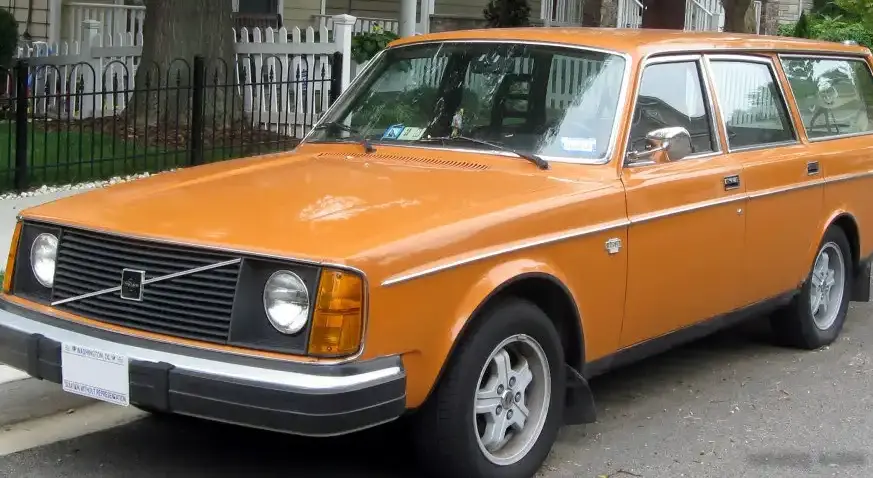
The Volvo 240 2.1, specifically the variant producing 123 horsepower, represents a pivotal point in Volvo’s history, bridging the gap between the older, more rounded designs and the increasingly safety-focused vehicles that would define the brand in later decades. Produced between 1974 and 1980, this iteration of the 240 series (chassis codes P242 for the two-door and P244 for the four-door) was a mainstay in the mid-size sedan market, particularly in North America and Europe. It offered a blend of practicality, durability, and a growing reputation for safety that resonated with family buyers and those seeking a reliable, long-lasting vehicle.
Technical Specifications
| Brand | Volvo |
| Model | 240 |
| Generation | 240 (P242, P244) |
| Type (Engine) | 2.1 (123 Hp) |
| Start of Production | 1974 |
| End of Production | 1980 |
| Powertrain Architecture | Internal Combustion Engine |
| Body Type | Sedan |
| Fuel Type | Petrol (Gasoline) |
| Power | 123 Hp |
| Engine Model/Code | B21E |
| Engine Aspiration | Naturally Aspirated |
| Engine Oil Capacity | 3.9 l (4.12 US qt | 3.43 UK qt) |
| Coolant Capacity | 9.4 l (9.93 US qt | 8.27 UK qt) |
| Fuel Tank Capacity | 60 l (15.85 US gal | 13.2 UK gal) |
Powertrain & Engine Architecture
The heart of the 240 2.1 was the B21E engine, a 2.1-liter inline-four cylinder powerplant. This engine was a significant evolution of Volvo’s red-block series, known for its over-engineered robustness. The B21E featured a cast iron block and an aluminum cylinder head, contributing to its longevity. Fuel delivery was managed by Bosch mechanical fuel injection, a system chosen for its reliability and relative simplicity compared to emerging electronic fuel injection systems of the time. The engine utilized a single overhead camshaft (SOHC) valvetrain, operating two valves per cylinder. The 123 horsepower output was achieved through a compression ratio of 9.5:1 and a carefully tuned Bosch K-Jetronic fuel injection system. While not a high-revving engine, the B21E produced a respectable amount of torque for its displacement, making it well-suited for everyday driving. The engine was typically paired with either a four-speed manual transmission or a three-speed automatic transmission with overdrive. The automatic transmission, while providing convenience, was often criticized for slightly diminishing the car’s performance.
Driving Characteristics
The 240 2.1 with the automatic transmission offered a comfortable, if not particularly sporty, driving experience. Acceleration was adequate for merging onto highways and passing slower traffic, but it wasn’t a vehicle designed for quick sprints. The three-speed automatic, while smooth in operation, had relatively wide gear ratios. This meant that the engine often felt strained during hard acceleration, and downshifts weren’t always as prompt as drivers might prefer. Compared to the manual transmission version, the automatic resulted in a noticeable decrease in responsiveness. The manual transmission, coupled with the B21E, provided a more engaging and efficient driving experience. However, the automatic appealed to a broader audience seeking ease of use, particularly in urban environments. The car’s suspension, tuned for comfort, absorbed bumps and road imperfections well, contributing to a smooth ride. Steering was relatively heavy, typical of Volvo’s of this era, but provided a solid and predictable feel.
Equipment & Trim Levels
The 240 2.1 typically came with a fairly comprehensive list of standard features for its time. These included cloth upholstery, a basic AM/FM radio, and heated seats as optional equipment. Trim levels varied depending on the market, but generally, the 2.1 represented a mid-range offering within the 240 lineup. Higher trim levels, such as the GL, added features like upgraded interior materials, additional chrome trim, and more sophisticated audio systems. Optional extras included a sunroof, air conditioning, and power windows. The interior design was functional and straightforward, prioritizing ergonomics and durability over flashy aesthetics. The dashboard layout was clean and uncluttered, with easy-to-read gauges. Safety features, such as front and rear crumple zones, were standard, reflecting Volvo’s commitment to occupant protection.
Chassis & Braking
The Volvo 240 featured a robust, body-on-frame construction, contributing to its exceptional durability. The front suspension utilized independent coil springs and MacPherson struts, while the rear suspension employed a solid axle with leaf springs. This setup provided a comfortable ride and good handling characteristics, although it wasn’t as sophisticated as some of its competitors. Braking systems varied depending on the year and market. Early models typically featured disc brakes on the front wheels and drum brakes on the rear. Later models often upgraded to disc brakes on all four wheels, providing improved stopping power. Power steering was optional, and many 240s were equipped with manual steering, which offered a more direct feel. Stabilizer bars were fitted to both the front and rear axles to reduce body roll during cornering.
Market Reception & Comparison
The Volvo 240 2.1 was generally well-received by automotive critics and consumers alike. It was praised for its reliability, safety, and practicality. However, the automatic transmission version was sometimes criticized for its lack of performance compared to the manual transmission models. Fuel economy was reasonable for the time, but not exceptional. Compared to other vehicles in its class, such as the BMW 3 Series and the Mercedes-Benz C-Class (which would arrive later), the 240 offered a different set of priorities. While the German cars emphasized performance and luxury, the Volvo focused on durability, safety, and value. The 240’s reputation for longevity and low maintenance costs made it a popular choice among budget-conscious buyers.
Legacy
The Volvo 240, and specifically the 2.1 variant, has achieved a legendary status among automotive enthusiasts. Its simple, robust design and readily available parts make it a popular choice for restoration and modification. The B21E engine is known for its ability to withstand significant abuse and continue running reliably for hundreds of thousands of miles. Today, well-maintained 240s command a loyal following in the used car market. They are often seen as a testament to Volvo’s commitment to building durable and safe vehicles. The 240’s influence can still be seen in modern Volvo designs, which continue to prioritize safety and practicality. The 2.1 version, while not the most powerful or sporty iteration of the 240, remains a highly desirable and respected classic car, representing a golden age of Swedish automotive engineering.