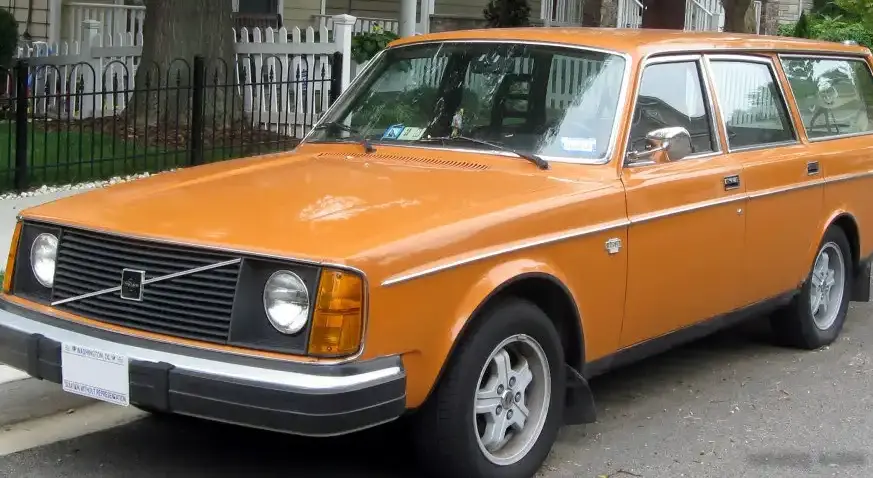
The Volvo 240 2.3, specifically the variant produced between 1983 and 1985, represents a pivotal point in the evolution of Volvo’s iconic and enduring 240 series. Falling within the second generation of the 240 (chassis codes P242 for the two-door, and P244 for the four-door sedan), this 131 horsepower version of the B230E engine offered a balance of practicality, durability, and reasonable performance for the North American and European markets. It served as a mainstream offering within the 240 lineup, positioned between the base models and the more performance-oriented turbocharged variants.
Technical Specifications
| Brand | Volvo |
| Model | 240 |
| Generation | 240 (P242, P244) |
| Type (Engine) | 2.3 (131 Hp) |
| Start of Production | 1983 |
| End of Production | 1985 |
| Powertrain Architecture | Internal Combustion Engine |
| Body Type | Sedan |
| Fuel Type | Petrol (Gasoline) |
| Power | 131 Hp |
| Engine Model/Code | B230E |
| Engine Aspiration | Naturally Aspirated |
| Engine Oil Capacity | 3.85 l (4.07 US qt | 3.39 UK qt) |
| Coolant Capacity | 9.5 l (10.04 US qt | 8.36 UK qt) |
| Fuel Tank Capacity | 60 l (15.85 US gal | 13.2 UK gal) |
Powertrain & Engine Architecture
The heart of the 1983-1985 Volvo 240 2.3 was the B230E engine, a 2.3-liter inline-four cylinder powerplant. This engine was a significant evolution of Volvo’s red-block series, known for its over-engineered robustness. The ‘E’ designation signified Bosch electronic fuel injection (K-Jetronic), a system chosen for its reliability and relatively simple maintenance compared to later, more complex systems. The B230E featured a cast iron block and an aluminum cylinder head, contributing to its longevity. The engine utilized a single overhead camshaft (SOHC) design with two valves per cylinder. While not a high-revving engine, the B230E produced a respectable 131 horsepower at approximately 5,200 rpm and 139 lb-ft of torque at 3,500 rpm. The engine was typically paired with a four-speed automatic transmission (AW71), although a five-speed manual transmission was also available. The AW71 was a hydraulic automatic transmission known for its smooth operation, but it wasn’t particularly fuel-efficient by modern standards.
Driving Characteristics
The 2.3-liter, 131 hp automatic combination in the Volvo 240 offered a comfortable and predictable driving experience. Acceleration was adequate for everyday driving, with a 0-60 mph time estimated around 10-11 seconds. However, it was noticeably slower than the turbocharged 240 models or even the 240s equipped with the five-speed manual transmission. The automatic transmission’s gear ratios were geared towards fuel economy and smooth cruising rather than spirited performance. The engine’s torque curve was relatively flat, providing usable power across a wide range of engine speeds. The car felt stable and planted on the road, thanks to its relatively heavy weight and well-tuned suspension. Compared to the manual transmission versions, the automatic offered a more relaxed driving experience, particularly in city traffic, but at the expense of driver engagement and fuel efficiency.
Equipment & Trim Levels
The 240 2.3 typically came with a fairly comprehensive list of standard features for its time. These included power steering, front disc brakes, cloth upholstery, and a basic AM/FM radio. Higher trim levels, often denoted by ‘GL’ or ‘DL’ badges, added features such as upgraded upholstery (often velour or leather), electric windows, central locking, and a more sophisticated sound system. Optional extras included a sunroof, air conditioning, and cruise control. The interior design was typically Scandinavian in its simplicity and functionality, prioritizing ergonomics and durability over flashy aesthetics. The dashboard layout was straightforward, with clearly labeled controls and a focus on ease of use.
Chassis & Braking
The Volvo 240 was built on a robust body-on-frame construction, contributing to its legendary safety and durability. The suspension consisted of independent front suspension with MacPherson struts and a solid rear axle with leaf springs. The braking system featured disc brakes on the front wheels and drum brakes on the rear wheels. Later models often received rear disc brakes as standard equipment. The 240’s chassis was designed to provide a comfortable ride and predictable handling, prioritizing safety and stability over sporty performance. Stabilizer bars were fitted to both the front and rear axles to reduce body roll during cornering. The steering was a recirculating ball system, providing a relatively heavy but precise feel.
Market Reception & Comparison
The Volvo 240 2.3 was generally well-received by automotive critics and consumers alike. It was praised for its safety, reliability, and practicality. However, the automatic transmission version was often criticized for its relatively slow acceleration and modest fuel economy compared to the manual transmission models or the turbocharged variants. The 240 2.3 competed with other mid-size sedans such as the BMW 3 Series, Mercedes-Benz 190E, and Audi 80. While these European competitors often offered more refined driving experiences, the Volvo 240 distinguished itself with its exceptional safety record and reputation for long-term durability. Fuel economy was typically in the range of 18-22 mpg in combined driving, which was average for the time.
Legacy
The Volvo 240 2.3, and the 240 series as a whole, has achieved a cult following among automotive enthusiasts. Its reputation for bulletproof reliability and simple, easily-maintained mechanicals has made it a popular choice for restoration projects and classic car enthusiasts. The B230E engine is known for its ability to withstand high mileage and abuse. Parts availability remains relatively good, although some specific components can be difficult to find. Today, well-maintained examples of the 240 2.3 command respectable prices in the used car market, reflecting their enduring appeal and historical significance. The car remains a testament to Volvo’s commitment to safety and engineering excellence, and it continues to be appreciated for its timeless design and unwavering dependability.