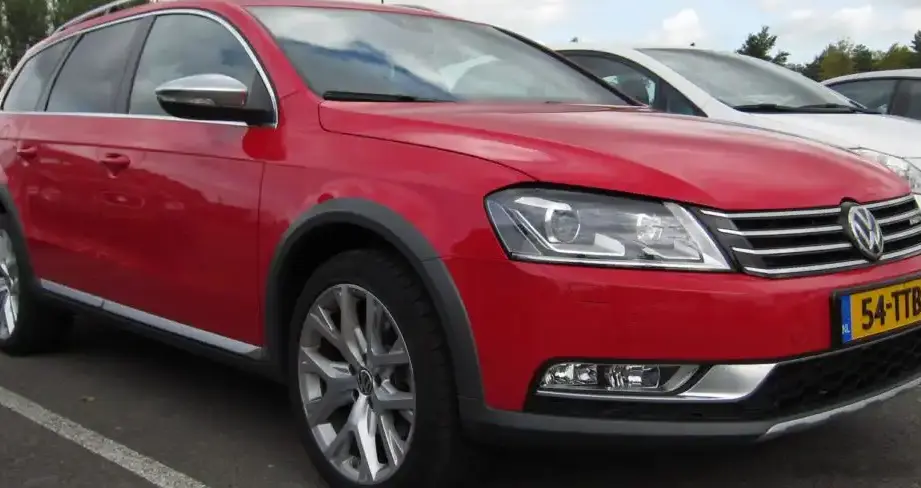
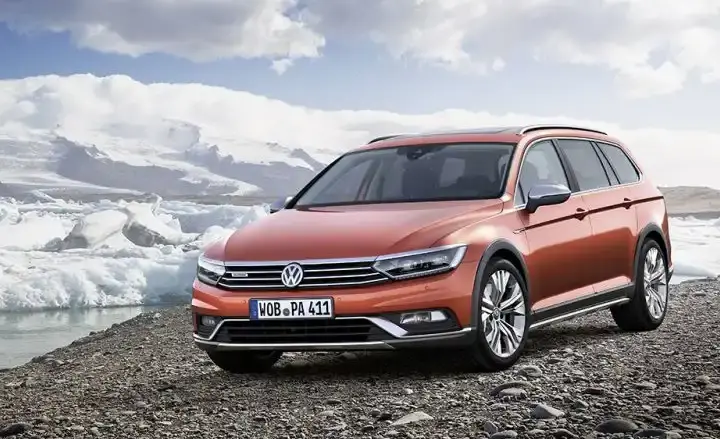
The Volkswagen Passat Variant (B5) 1.9 TDI Syncro, produced between 1997 and 2000, represents a compelling blend of practicality, efficiency, and all-weather capability within the broader B5 Passat range. Positioned as a premium offering within the Variant (estate/wagon) lineup, it catered to buyers seeking the benefits of Volkswagen’s renowned diesel technology combined with the security of all-wheel drive. This model occupied a niche between the more affordable front-wheel-drive TDI variants and the higher-performance, often gasoline-powered, Passat models. It was primarily sold in European markets where demand for diesel estates with all-wheel drive was significant.
Technical Specifications
| Brand | Volkswagen |
| Model | Passat |
| Generation | Passat Variant (B5) |
| Type (Engine) | 1.9 TDI Syncro (110 Hp) |
| Start of production | 1997 |
| End of production | 2000 |
| Powertrain Architecture | Internal Combustion engine |
| Body type | Station wagon (estate) |
| Seats | 5 |
| Doors | 5 |
| Fuel consumption (economy) – urban | 7.9 l/100 km (29.8 US mpg, 35.8 UK mpg, 12.7 km/l) |
| Fuel consumption (economy) – extra urban | 4.9 l/100 km (48 US mpg, 57.6 UK mpg, 20.4 km/l) |
| Fuel Type | Diesel |
| Acceleration 0 – 100 km/h | 12.3 sec |
| Acceleration 0 – 62 mph | 12.3 sec |
| Acceleration 0 – 60 mph | 11.7 sec |
| Maximum speed | 188 km/h (116.82 mph) |
| Weight-to-power ratio | 13 kg/Hp, 77.2 Hp/tonne |
| Weight-to-torque ratio | 6.1 kg/Nm, 164.9 Nm/tonne |
| Power | 110 Hp @ 4150 rpm |
| Power per litre | 58 Hp/l |
| Torque | 235 Nm @ 1900 rpm (173.33 lb.-ft. @ 1900 rpm) |
| Engine layout | Front, Longitudinal |
| Engine Model/Code | AFN |
| Engine displacement | 1896 cm3 (115.7 cu. in.) |
| Number of cylinders | 4 |
| Engine configuration | Inline |
| Cylinder Bore | 79.5 mm (3.13 in.) |
| Piston Stroke | 95.5 mm (3.76 in.) |
| Compression ratio | 19.5:1 |
| Number of valves per cylinder | 2 |
| Fuel injection system | Direct injection |
| Engine aspiration | Turbocharger, Intercooler |
| Valvetrain | OHC |
| Engine oil capacity | 3.8 l (4.02 US qt | 3.34 UK qt) |
| Coolant | 7.5 l (7.93 US qt | 6.6 UK qt) |
| Kerb Weight | 1425 kg (3141.59 lbs.) |
| Max. weight | 1975 kg (4354.13 lbs.) |
| Max load | 550 kg (1212.54 lbs.) |
| Trunk (boot) space – minimum | 495 l (17.48 cu. ft.) |
| Trunk (boot) space – maximum | 1600 l (56.5 cu. ft.) |
| Fuel tank capacity | 62 l (16.38 US gal | 13.64 UK gal) |
| Length | 4675 mm (184.06 in.) |
| Width | 1740 mm (68.5 in.) |
| Height | 1459 mm (57.44 in.) |
| Wheelbase | 2703 mm (106.42 in.) |
| Front track | 1498 mm (58.98 in.) |
| Rear (Back) track | 1500 mm (59.06 in.) |
| Drive wheel | All wheel drive (4×4) |
| Number of gears and type of gearbox | 5 gears, manual transmission |
| Front suspension | Coil spring |
| Rear suspension | Coil spring |
| Front brakes | Ventilated discs |
| Rear brakes | Disc |
| Assisting systems | ABS (Anti-lock braking system) |
| Steering type | Steering rack and pinion |
| Power steering | Hydraulic Steering |
| Tires size | 195/65 R15 |
| Wheel rims size | 6J x 15 |
Powertrain & Engine Architecture
The heart of the Passat Variant 1.9 TDI Syncro is the 1.9-liter (1896 cc) inline-four cylinder diesel engine, specifically the AFN engine code. This engine is a direct-injection diesel, utilizing a Bosch EDC (Electronic Diesel Control) system. Direct injection, a relatively new technology at the time, allowed for more precise fuel delivery and improved combustion efficiency compared to older indirect injection systems. The AFN engine featured a turbocharger with an intercooler, boosting power output to 110 horsepower at 4150 rpm and 235 Nm (173 lb-ft) of torque at a low 1900 rpm. The engine’s robust bottom end and relatively simple valvetrain (single overhead camshaft – OHC, with two valves per cylinder) contributed to its durability. The engine is longitudinally mounted, a configuration common in front-wheel and all-wheel-drive Volkswagen models of the era. The Syncro models were typically equipped with a five-speed manual transmission, providing a good balance between fuel economy and drivability. The transmission was designed to handle the increased torque output of the TDI engine and distribute power to all four wheels.
Driving Characteristics
The 1.9 TDI Syncro, while not a performance-oriented variant, offered a surprisingly capable and refined driving experience. The 110 hp engine provided adequate power for everyday driving, and the abundant low-end torque made it particularly well-suited for hauling loads or navigating hilly terrain. Acceleration to 60 mph took around 11.7 seconds, and top speed was approximately 117 mph. The five-speed manual transmission allowed drivers to keep the engine in its optimal power band. Compared to the higher-output TDI variants (like the 130 hp or 150 hp versions), the 110 hp model felt less stressed and potentially more durable in the long run. The Syncro all-wheel-drive system provided enhanced traction in slippery conditions, making it a popular choice in regions with inclement weather. The all-wheel drive system is a viscous coupling system, meaning it’s primarily front-wheel drive until slippage is detected, at which point it engages the rear wheels. The gear ratios were tuned for fuel efficiency and usability rather than outright speed.
Equipment & Trim Levels
The Passat Variant 1.9 TDI Syncro typically came with a reasonably comprehensive equipment list, reflecting its position as a premium trim level. Standard features often included power windows, central locking, power steering, ABS brakes, and an air conditioning system. Interior upholstery was typically cloth, with options for leather available. Dashboard configuration was consistent with other B5 Passats, featuring a functional and ergonomic layout. Optional extras included a sunroof, upgraded audio systems, heated seats, and alloy wheels. The Syncro models often featured unique badging to denote their all-wheel-drive capability.
Chassis & Braking
The Passat B5 chassis featured independent suspension all around, with coil springs and shock absorbers. The front suspension utilized MacPherson struts, while the rear suspension employed a multi-link setup. This configuration provided a comfortable ride and good handling characteristics. The Syncro models generally had slightly stiffer suspension components to compensate for the added weight of the all-wheel-drive system. Braking was typically accomplished with ventilated discs on the front wheels and solid discs on the rear. ABS (Anti-lock Braking System) was standard, enhancing braking performance and stability. Stabilizer bars were fitted to both the front and rear axles to reduce body roll during cornering.
Market Reception & Comparison
The Passat Variant 1.9 TDI Syncro was generally well-received by automotive critics. It was praised for its fuel efficiency, practicality, and all-weather capability. Compared to the front-wheel-drive TDI variants, the Syncro offered superior traction and stability, particularly in challenging road conditions. However, it came at a price premium and offered slightly lower fuel economy due to the added weight and complexity of the all-wheel-drive system. Compared to the more powerful gasoline-powered Passat models, the TDI Syncro prioritized fuel economy and torque over outright performance. It appealed to buyers who valued practicality and efficiency over sporty driving dynamics.
Legacy
The Volkswagen Passat Variant B5 1.9 TDI Syncro has proven to be a remarkably durable and reliable vehicle. The AFN engine is known for its longevity, and the Syncro all-wheel-drive system has generally held up well over time. In the used car market, these models are sought after by enthusiasts and practical buyers alike. While maintenance costs can be higher than for simpler vehicles, the Passat’s robust construction and readily available parts supply make it a relatively easy vehicle to maintain. The combination of fuel efficiency, practicality, and all-wheel-drive capability continues to make the 1.9 TDI Syncro a desirable and respected vehicle today, representing a high point in Volkswagen’s engineering and design.