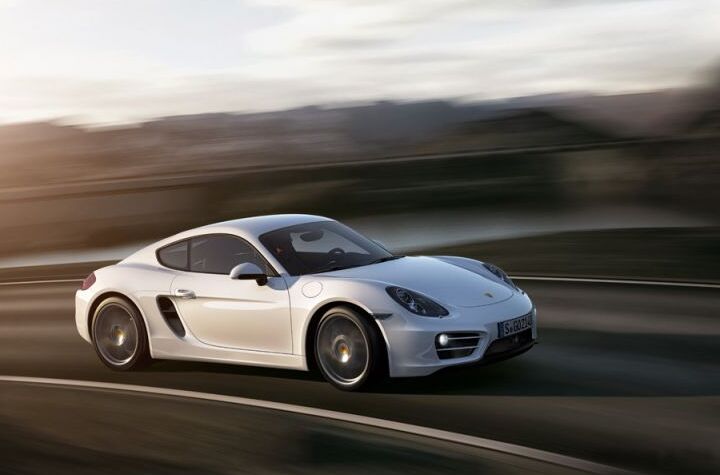
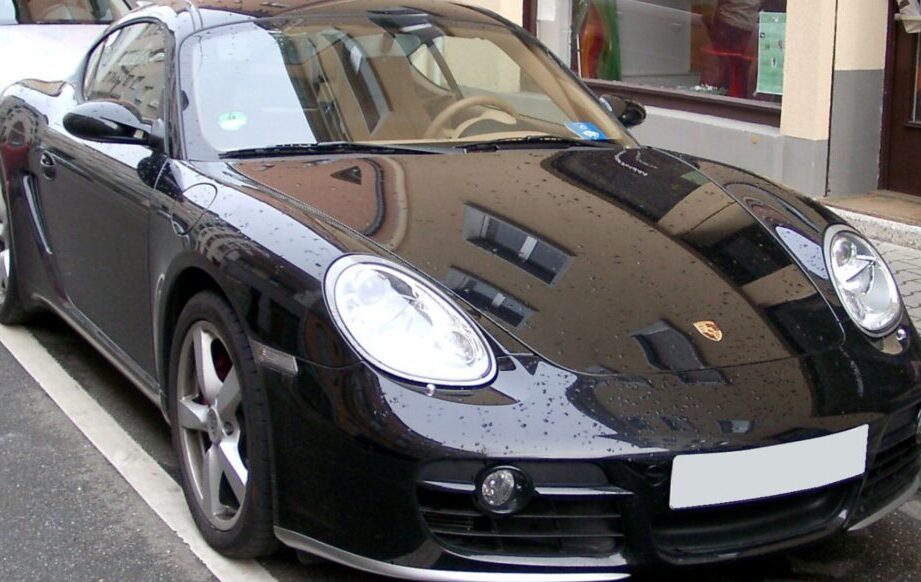
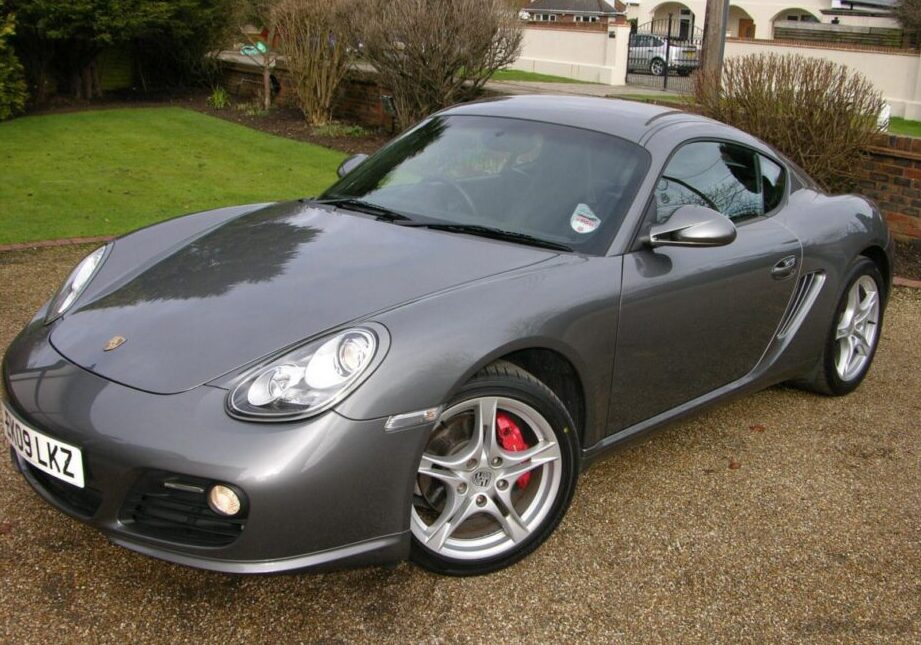
The Porsche Cayman (981c) 2.7, produced from 2013 to 2016, represents the entry point into the highly acclaimed 981 generation of Porsche’s mid-engine sports car. Positioned below the more powerful Cayman S, the 2.7-liter variant offered a compelling blend of performance, handling, and everyday usability, appealing to enthusiasts seeking a pure driving experience without the higher price tag of its sibling. It was a key model in Porsche’s strategy to broaden the appeal of the Cayman, establishing it as a serious contender in the sports coupe segment. The 981c designation refers to the updated platform, building upon the success of the first-generation Cayman (987c) with significant improvements in chassis rigidity, steering feel, and interior refinement.
Technical Specifications
| Brand | Porsche |
| Model | Cayman |
| Generation | Cayman (981c) |
| Type (Engine) | 2.7 (275 Hp) |
| Start of production | 2013 |
| End of production | 2016 |
| Powertrain Architecture | Internal Combustion engine |
| Body type | Coupe |
| Seats | 2 |
| Doors | 2 |
| Fuel consumption (urban) | 11.8 l/100 km (19.9 US mpg) |
| Fuel consumption (extra urban) | 6.4 l/100 km (36.8 US mpg) |
| Fuel consumption (combined) | 8.4 l/100 km (28 US mpg) |
| CO2 emissions | 195 g/km |
| Fuel Type | Petrol (Gasoline) |
| Acceleration 0 – 100 km/h | 5.7 sec |
| Acceleration 0 – 62 mph | 5.7 sec |
| Acceleration 0 – 60 mph | 5.4 sec |
| Maximum speed | 266 km/h (165.28 mph) |
| Weight-to-power ratio | 4.8 kg/Hp |
| Weight-to-torque ratio | 4.6 kg/Nm |
| Power | 275 Hp @ 7400 rpm |
| Power per litre | 101.6 Hp/l |
| Torque | 290 Nm @ 4500-6500 rpm (213.89 lb.-ft.) |
| Engine layout | Middle, Longitudinal |
| Engine Model/Code | MA1.22 |
| Engine displacement | 2706 cm3 (165.13 cu. in.) |
| Number of cylinders | 6 |
| Engine configuration | Boxer |
| Compression ratio | 12.5:1 |
| Number of valves per cylinder | 4 |
| Fuel injection system | Direct injection |
| Engine oil capacity | 7.5 l (7.93 US qt | 6.6 UK qt) |
| Coolant capacity | 23 l (24.3 US qt | 20.24 UK qt) |
| Kerb Weight | 1330 kg (2932.15 lbs.) |
| Max. weight | 1655 kg (3648.65 lbs.) |
| Max load | 325 kg (716.5 lbs.) |
| Trunk (boot) space – minimum | 425 l (15.01 cu. ft.) |
| Fuel tank capacity | 64 l (16.91 US gal | 14.08 UK gal) |
| Length | 4380 mm (172.44 in.) |
| Width | 1801 mm (70.91 in.) |
| Height | 1294 mm (50.94 in.) |
| Wheelbase | 2475 mm (97.44 in.) |
| Drag coefficient (Cd) | 0.30 |
| Drivetrain Architecture | Rear wheel drive |
| Number of gears | 6 |
| Gearbox type | Manual transmission |
Powertrain & Engine Architecture
At the heart of the Cayman 2.7 lies the MA1.22 engine, a naturally aspirated 2.7-liter flat-six (boxer) engine. This engine is a direct descendant of the powerplants found in the 911, benefiting from Porsche’s decades of experience in boxer engine design. The engine utilizes direct fuel injection (DFI), a technology that precisely meters fuel directly into the combustion chamber, improving efficiency and power output. The valvetrain features four valves per cylinder, operated by intermediate shafts, contributing to the engine’s responsive nature. The 6-speed manual transmission was standard, offering precise shifts and a direct connection to the rear wheels. The engine’s layout, being mid-mounted and longitudinal, contributes significantly to the car’s balanced handling characteristics.
Driving Characteristics
The 275 horsepower and 290 Nm (213.89 lb-ft) of torque delivered by the 2.7-liter engine provided a spirited driving experience. While not as brutally fast as the Cayman S, the 2.7 offered a more accessible powerband, making it enjoyable in everyday driving situations. The manual transmission’s gear ratios were well-matched to the engine’s characteristics, allowing for strong acceleration in each gear. Compared to the higher-output Cayman S, the 2.7 felt less demanding to drive at the limit, making it a more forgiving option for less experienced drivers. The car’s balanced chassis and precise steering provided a rewarding and engaging driving experience, characteristic of the Porsche brand.
Equipment & Trim Levels
The base Cayman 2.7 came standard with a respectable level of equipment, including air conditioning, a basic audio system, partial leather upholstery, and 17-inch alloy wheels. Optional extras were plentiful, allowing buyers to personalize their Cayman. Popular options included a more advanced infotainment system with navigation, full leather interiors, sport seats, a sport exhaust system, and Porsche Dynamic Lighting System (PDLS). The interior design was focused on functionality and driver engagement, with a relatively minimalist dashboard layout and logically placed controls.
Chassis & Braking
The 981 Cayman benefited from a significantly stiffer chassis compared to its predecessor, thanks to increased use of high-strength steel. The suspension utilized independent coil springs all around, providing a comfortable yet controlled ride. The front suspension featured a MacPherson strut design, while the rear employed a multi-link setup. Braking duties were handled by ventilated discs on all four wheels, providing ample stopping power. Anti-lock braking system (ABS) was standard. The Cayman 2.7’s suspension was tuned to prioritize handling and balance, offering a rewarding driving experience on both the road and the track.
Market Reception & Comparison
The Cayman 2.7 was generally well-received by automotive critics. It was praised for its engaging driving dynamics, balanced handling, and relatively affordable price point. Compared to the Cayman S, the 2.7 offered a more economical option without sacrificing too much performance. Fuel economy was respectable for a sports car, averaging around 28 US mpg in combined driving. Reliability was generally good, although some owners reported minor issues with the direct fuel injection system. The 2.7’s main competitors included the BMW 235i Coupe and the Audi TT, but the Cayman distinguished itself with its mid-engine layout and superior handling characteristics.
Legacy
The Porsche Cayman 2.7 (981c) has established itself as a desirable used sports car. The MA1.22 engine, while not without its potential maintenance needs (particularly regarding the direct fuel injection system), is generally considered robust and reliable when properly maintained. The 981 generation Cayman is widely regarded as a significant step forward in terms of driving dynamics and overall refinement. Today, well-maintained examples of the 2.7 command reasonable prices in the used car market, making it an accessible entry point into Porsche ownership for enthusiasts seeking a pure and engaging driving experience.