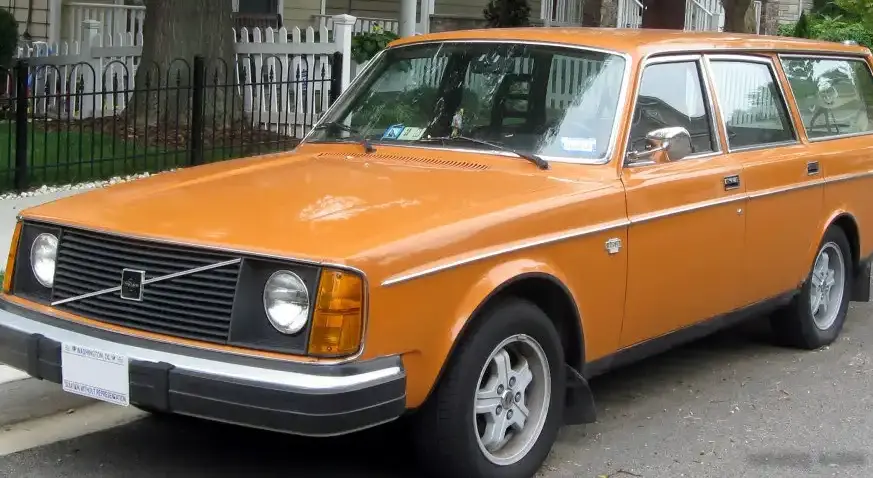
The Volvo 240 series, produced from 1974 to 1993, represents a cornerstone of Volvo’s reputation for safety, durability, and practicality. Within this long-running series, the 2.4-liter diesel variant, introduced in 1986 and continuing through 1993 (designated P242 and P244 depending on body style), offered a fuel-efficient alternative to the gasoline-powered models, particularly appealing to European markets and those seeking a robust, long-lasting vehicle. This specific configuration, producing 79 horsepower, occupied a unique position in the 240 lineup, aimed at buyers prioritizing economy and reliability over outright performance. While not widely available in the United States, the diesel 240 found a niche among those seeking a durable and economical vehicle.
Technical Specifications
| Brand | Volvo |
| Model | 240 |
| Generation | 240 (P242, P244) |
| Type (Engine) | 2.4 Diesel (79 Hp) |
| Start of production | 1986 |
| End of production | 1993 |
| Powertrain Architecture | Internal Combustion engine |
| Body type | Sedan |
| Seats | 5 |
| Doors | 4 |
| Fuel Type | Diesel |
| Power | 79 Hp @ 4800 rpm |
| Power per litre | 33.2 Hp/l |
| Engine layout | Front, Longitudinal |
| Engine Model/Code | D24 |
| Engine displacement | 2382 cm3 / 145.36 cu. in. |
| Engine configuration | Inline |
| Cylinder Bore | 76.5 mm / 3.01 in. |
| Piston Stroke | 83 mm / 3.27 in. |
| Compression ratio | 23:1 |
| Number of valves per cylinder | 2 |
| Fuel injection system | Precombustion chamber injection |
| Engine aspiration | Naturally aspirated |
| Engine oil capacity | 7 l / 7.4 US qt | 6.16 UK qt |
| Coolant | 9.5 l / 10.04 US qt | 8.36 UK qt |
| Fuel tank capacity | 60 l / 15.85 US gal | 13.2 UK gal |
| Drivetrain Architecture | Rear wheel drive |
| Drive wheel | Rear wheel drive |
| Number of gears and type of gearbox | 5 gears, manual transmission |
Powertrain & Engine Architecture
The heart of the Volvo 240 2.4 Diesel is the D24 engine, an inline four-cylinder diesel renowned for its robustness and longevity. Introduced in the early 1980s, the D24 was a significant departure for Volvo, which had previously focused on gasoline engines. This engine utilizes a precombustion chamber injection system, a common design for diesels of the era. Fuel is injected into a small precombustion chamber within the cylinder head, where it ignites and then ignites the main charge in the cylinder. This system contributes to smoother combustion and reduced engine noise compared to direct injection diesels. The engine features a cast iron block and head, contributing to its durability. The 79 horsepower output is achieved at 4800 rpm, and the engine produces a respectable amount of torque for its displacement, though specific torque figures vary slightly depending on the year and market. The 240 diesel was exclusively offered with a five-speed manual transmission, designed to efficiently manage the engine’s torque curve and provide reasonable fuel economy. The transmission is a robust unit, known for its durability, but can exhibit notchy shifting characteristics, particularly when cold.
Driving Characteristics
The driving experience in a Volvo 240 2.4 Diesel is defined by its practicality and dependability rather than sporty performance. The 79 horsepower engine provides adequate power for everyday driving, but acceleration is modest. The engine’s torque, however, is readily available from low engine speeds, making it well-suited for hauling loads or navigating hilly terrain. The five-speed manual transmission allows drivers to keep the engine in its optimal power band. Compared to the gasoline-powered 240s, the diesel variant offers significantly better fuel economy, a major selling point for many buyers. However, the diesel engine is noticeably louder and vibrates more than its gasoline counterparts. The rear-wheel-drive configuration provides a balanced driving experience, though it lacks the agility of front-wheel-drive cars. The steering is relatively heavy, providing a connected feel to the road.
Equipment & Trim Levels
The 240 2.4 Diesel typically came with a relatively basic level of equipment, reflecting its position as a value-oriented model. Standard features generally included cloth upholstery, a simple dashboard layout, and manual windows and door locks. Air conditioning was often an optional extra, as were features like a sunroof and upgraded audio systems. The interior design is functional and durable, prioritizing practicality over luxury. The trim levels were generally limited, with most models offering a similar set of standard features. The focus was on providing a reliable and comfortable vehicle at an affordable price point.
Chassis & Braking
The Volvo 240 series utilizes a robust chassis with a longitudinal engine layout and rear-wheel drive. The suspension consists of independent front suspension with coil springs and a solid rear axle with leaf springs. This setup provides a comfortable ride, though it can feel somewhat dated by modern standards. The braking system typically features disc brakes on the front wheels and drum brakes on the rear wheels. The brakes are adequate for the vehicle’s weight and performance, but lack the stopping power of more modern braking systems. A stabilizer bar is fitted to the front suspension to reduce body roll during cornering.
Market Reception & Comparison
The Volvo 240 2.4 Diesel was well-received in European markets, where diesel fuel was more readily available and affordable than gasoline. It was particularly popular among fleet operators and drivers who prioritized fuel economy and reliability. Critics praised the engine’s durability and low running costs, but noted its lack of performance and refinement compared to gasoline-powered alternatives. Compared to the gasoline-powered 240 models, the diesel variant offered significantly better fuel economy but at the cost of performance and refinement. The diesel also tended to be more expensive to maintain, due to the complexity of the fuel injection system. Compared to other diesel cars of the era, the Volvo 240 2.4 Diesel offered a good balance of performance, reliability, and comfort.
Legacy
The Volvo 240 2.4 Diesel has earned a reputation as one of the most durable and reliable cars ever built. Many examples are still on the road today, a testament to the quality of engineering and construction. The D24 engine is particularly renowned for its longevity, with many units exceeding 300,000 miles without major repairs. In the used car market, the 240 diesel remains a popular choice among those seeking a simple, reliable, and affordable vehicle. However, finding well-maintained examples can be challenging, as many have been subjected to years of hard use. The 240 diesel represents a bygone era of automotive engineering, where durability and practicality were prioritized over performance and luxury. It remains a beloved classic among Volvo enthusiasts and a testament to the brand’s commitment to safety and reliability.