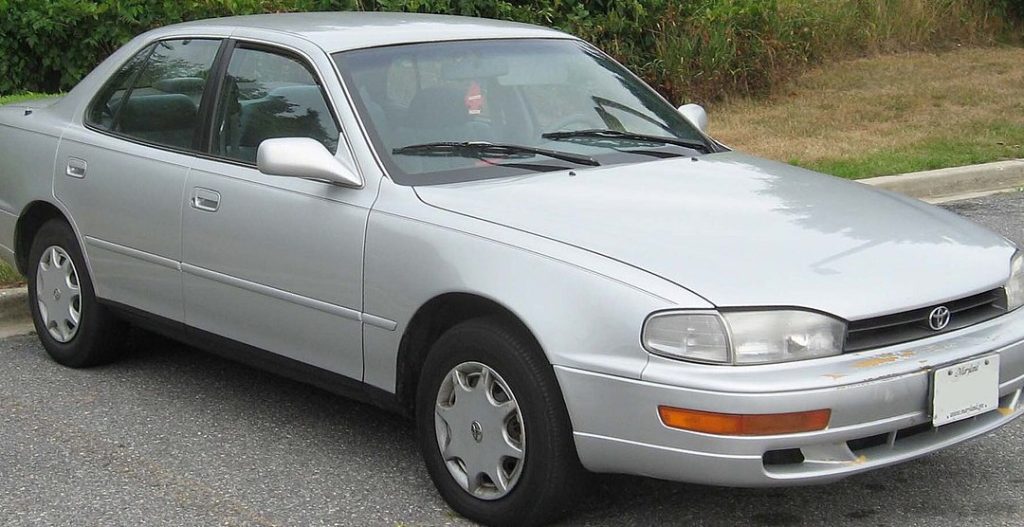
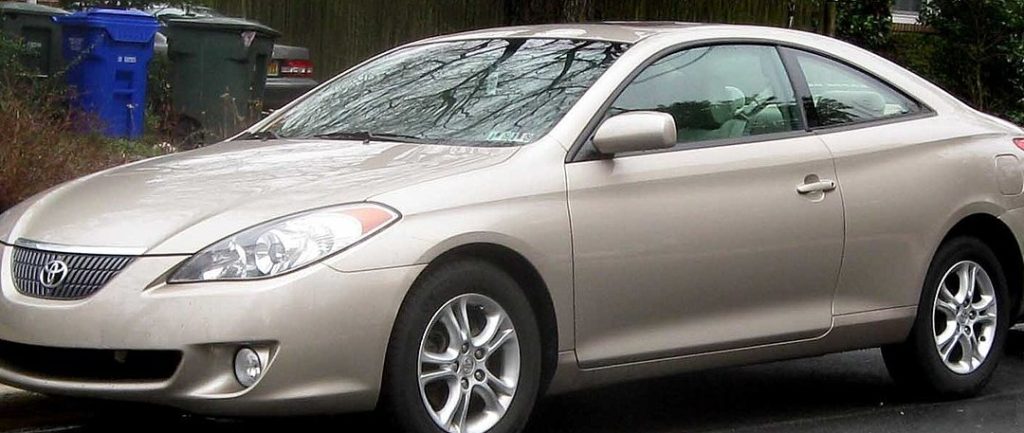
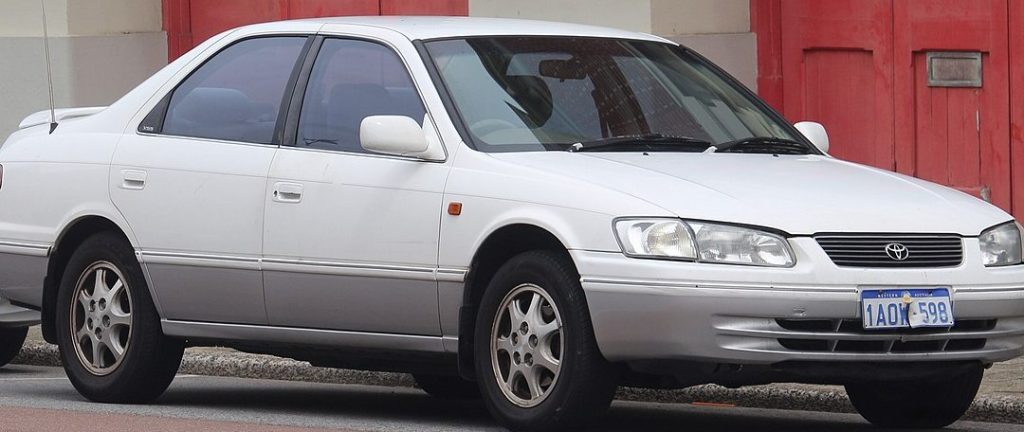
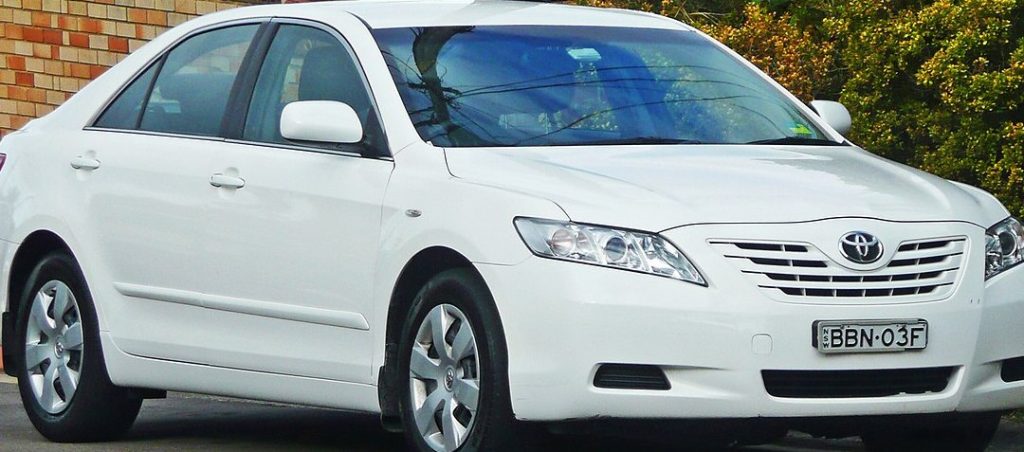
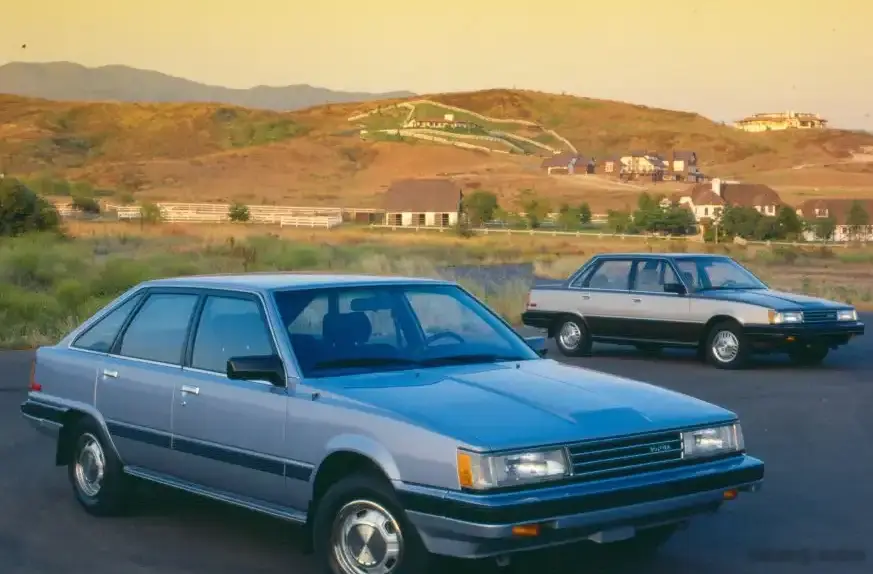
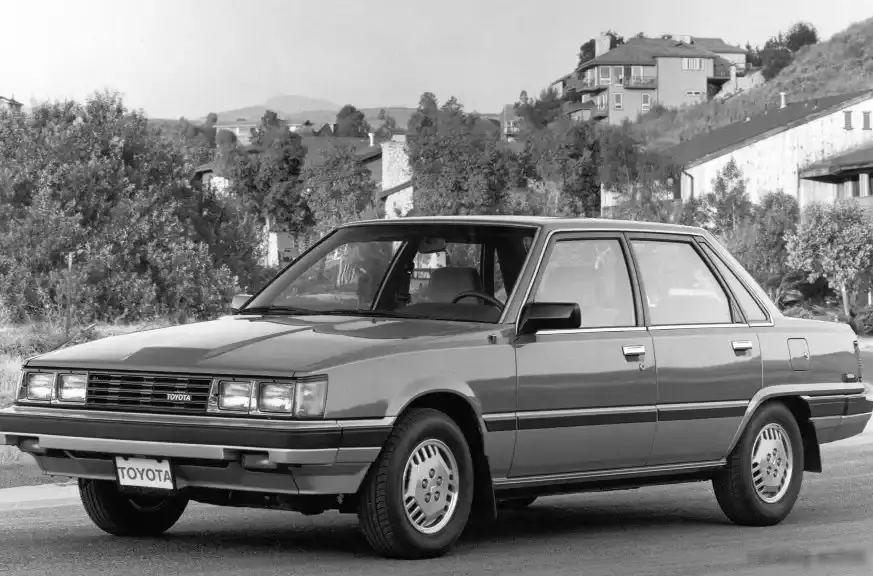
The Toyota Camry V (XV30) 3.0 V6 Automatic, produced primarily for the 2004 model year, represented a significant step up in performance and refinement within the fifth-generation Camry lineup. Positioned as the premium trim level, it offered a more powerful engine option compared to the base 2.4-liter four-cylinder models. The XV30 generation Camry, sold from 2002-2006, was a crucial model for Toyota, solidifying its reputation for reliability and practicality in the mid-size sedan segment, particularly within the North American market. This 3.0 V6 variant aimed to attract buyers seeking a more engaging driving experience without sacrificing the Camry’s core values.
Technical Specifications
| Brand | Toyota |
| Model | Camry |
| Generation | Camry V (XV30) |
| Type (Engine) | 3.0 V6 (210 Hp) Automatic |
| Start of production | 2004 |
| End of production | 2004 |
| Powertrain Architecture | Internal Combustion engine |
| Body type | Sedan |
| Seats | 5 |
| Doors | 4 |
| Fuel consumption (urban) | 9.8 l/100 km (24 US mpg) |
| Fuel consumption (extra urban) | 7.1 l/100 km (33.1 US mpg) |
| Fuel Type | Petrol (Gasoline) |
| Weight-to-power ratio | 6.7 kg/Hp |
| Weight-to-torque ratio | 4.7 kg/Nm |
| Power | 210 Hp @ 5800 rpm |
| Power per litre | 70.1 Hp/l |
| Torque | 298 Nm @ 4400 rpm (219.79 lb.-ft. @ 4400 rpm) |
| Engine layout | Front, Transverse |
| Engine Model/Code | 1MZ-FE |
| Engine displacement | 2995 cm3 (182.77 cu. in.) |
| Number of cylinders | 6 |
| Engine configuration | V-engine |
| Cylinder Bore | 87.5 mm (3.44 in.) |
| Piston Stroke | 83 mm (3.27 in.) |
| Compression ratio | 10.5:1 |
| Number of valves per cylinder | 4 |
| Fuel injection system | Multi-port manifold injection |
| Engine aspiration | Naturally aspirated engine |
| Valvetrain | DOHC, VVT-i |
| Engine oil capacity | 4.7 l (4.97 US qt | 4.14 UK qt) |
| Coolant | 9.2 l (9.72 US qt | 8.09 UK qt) |
| Kerb Weight | 1400 kg (3086.47 lbs.) |
| Trunk (boot) space | 472 l (16.67 cu. ft.) |
| Fuel tank capacity | 70 l (18.49 US gal | 15.4 UK gal) |
| Length | 4805 mm (189.17 in.) |
| Width | 1795 mm (70.67 in.) |
| Height | 1470 mm (57.87 in.) |
| Wheelbase | 2720 mm (107.09 in.) |
| Front track | 1544 mm (60.79 in.) |
| Rear track | 1534 mm (60.39 in.) |
| Ride height (ground clearance) | 137 mm (5.39 in.) |
| Drag coefficient (Cd) | 0.28 |
| Minimum turning circle | 10.6 m (34.78 ft.) |
| Drivetrain Architecture | Front wheel drive |
| Number of gears | 4 |
| Gearbox type | Automatic transmission ECT-i |
| Front suspension | Independent, type McPherson with coil spring and anti-roll bar |
| Rear suspension | Independent multi-link spring suspension with stabilizer |
| Front brakes | Ventilated discs |
| Rear brakes | Disc |
| Assisting systems | ABS (Anti-lock braking system) |
| Steering type | Steering rack and pinion |
| Power steering | Hydraulic Steering |
| Tires size | 205/65 R15 |
| Wheel rims size | 6.5J x 15 |
Powertrain & Engine Architecture
The heart of the XV30 Camry 3.0 V6 was the 1MZ-FE engine, a 3.0-liter, naturally aspirated V6. This engine was a mainstay in Toyota’s lineup for many years, known for its smooth operation and inherent reliability. The 1MZ-FE featured a 60-degree V-angle, dual overhead camshafts (DOHC), and Toyota’s Variable Valve Timing-intelligent (VVT-i) system. VVT-i adjusted the timing of both intake and exhaust valves, optimizing performance and fuel efficiency across the engine’s operating range. Fuel delivery was handled by a multi-port fuel injection system. The engine produced 210 horsepower at 5800 rpm and 298 Nm (219.79 lb-ft) of torque at 4400 rpm. Paired with this engine was a four-speed automatic transmission, designated ECT-i (Electronically Controlled Transmission – intelligent). This transmission was designed for smooth shifts and responsive performance, though it lacked the gear ratios of more modern automatic transmissions.
Driving Characteristics
The 3.0 V6 Automatic Camry offered a noticeable performance upgrade over the four-cylinder models. Acceleration was brisk, making highway merging and passing maneuvers effortless. While not a sports sedan, the V6 provided ample power for everyday driving situations. The four-speed automatic transmission, while smooth, could sometimes feel a bit dated compared to transmissions with more gears. The gear ratios were tuned for comfort and fuel economy rather than outright performance. Compared to a manual transmission equipped Camry, the automatic sacrificed some responsiveness, but offered greater convenience for most drivers. The power delivery was linear and predictable, making it easy to modulate the throttle.
Equipment & Trim Levels
The 3.0 V6 Camry typically came well-equipped, representing the top-of-the-line trim level. Standard features often included air conditioning, power windows and locks, cruise control, a CD player, and alloy wheels. Higher-end options could include a sunroof, leather upholstery, upgraded audio systems, and automatic climate control. Interior materials were generally of good quality, providing a comfortable and refined cabin environment. The dashboard layout was functional and user-friendly, with logically placed controls.
Chassis & Braking
The XV30 Camry utilized an independent suspension system at all four wheels. The front suspension employed a McPherson strut design with coil springs and an anti-roll bar, while the rear featured an independent multi-link setup with a stabilizer bar. This suspension configuration provided a comfortable ride quality while maintaining reasonable handling characteristics. Braking duties were handled by ventilated disc brakes at the front and solid disc brakes at the rear. An Anti-lock Braking System (ABS) was standard, enhancing safety and control during hard braking situations. The steering system was a rack-and-pinion setup with hydraulic power assistance, offering a responsive and precise steering feel.
Market Reception & Comparison
The Camry 3.0 V6 Automatic was generally well-received by automotive critics. It was praised for its smooth engine, comfortable ride, and spacious interior. However, some reviewers noted that the four-speed automatic transmission felt somewhat outdated compared to competitors offering five or six-speed automatics. Fuel economy was respectable for a V6 engine, but not class-leading. Compared to the base 2.4-liter four-cylinder Camry, the V6 offered a significant performance boost, but at a higher price point. The V6 also required premium fuel in some cases, adding to the cost of ownership. Against competitors like the Honda Accord V6, the Camry offered a similar level of refinement and reliability, often at a slightly lower price.
Legacy
The 1MZ-FE engine, paired with the four-speed automatic transmission, proved to be a durable and reliable powertrain combination. Camry XV30 models with this engine are known for their longevity and relatively low maintenance costs. In the used car market, these Camrys remain popular choices for buyers seeking a dependable and affordable mid-size sedan. While not a particularly exciting vehicle, the Camry 3.0 V6 Automatic offered a compelling blend of performance, comfort, and reliability, cementing its place as a practical and well-regarded family car.