
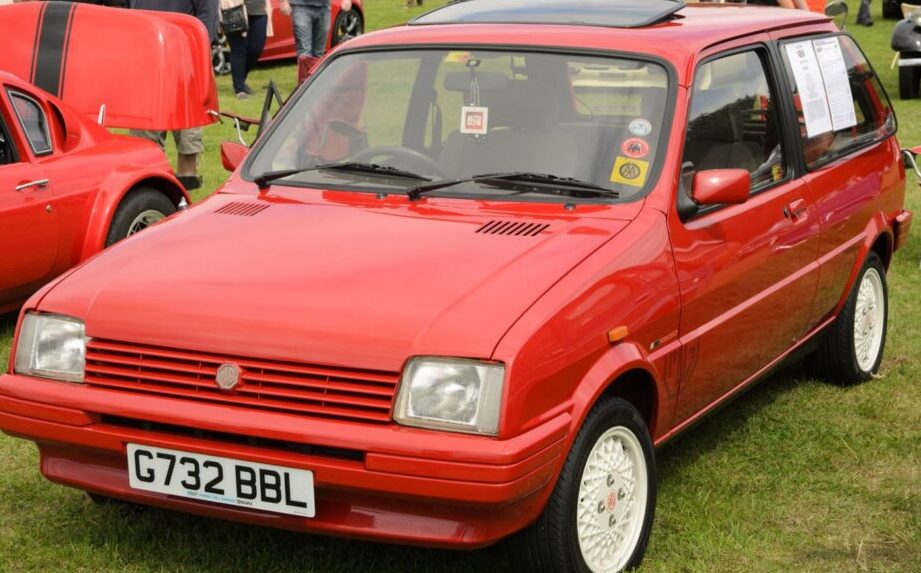
The MG Metro Turbo, produced between 1982 and 1990, represents a unique and somewhat audacious chapter in the history of British Leyland, and later, Austin Rover. This hot hatchback variant of the Austin Metro, rebadged as an MG, aimed to inject a dose of performance and excitement into the small car segment. While the standard Metro was known for its practicality and affordability, the Turbo model offered a significantly enhanced driving experience thanks to its turbocharged engine. It was a relatively short-lived model, but it gained a cult following for its spirited performance and distinctive styling. The Metro Turbo occupied a niche position within the Metro lineup, positioned as the performance flagship, and was a direct response to rivals like the Volkswagen Polo GTI and Ford Fiesta XR2.
Technical Specifications
| Brand | MG |
| Model | Metro |
| Generation | Metro |
| Type (Engine) | Turbo (94 Hp) |
| Start of Production | 1982 |
| End of Production | 1990 |
| Powertrain Architecture | Internal Combustion Engine |
| Body Type | Hatchback |
| Fuel Type | Petrol (Gasoline) |
| Power | 94 Hp |
| Engine Aspiration | Turbocharger |
| Engine Displacement | 1.3 Liters |
| Transmission | 4-Speed Manual |
| Weight | 760 kg (approx.) |
| 0-60 mph | 9.4 seconds (approx.) |
| Top Speed | 108 mph (approx.) |
Powertrain & Engine Architecture
The heart of the MG Metro Turbo is its 1275cc, inline-four cylinder engine, designated as the ‘A’ series. However, this wasn’t simply a standard A-series; it was significantly modified with the addition of a Garrett T25 turbocharger. This turbocharger, along with a revised cylinder head, strengthened internals, and a higher compression ratio, boosted power output to 94 horsepower – a substantial increase over the standard Metro’s 44-60 hp. The engine featured a single overhead camshaft and utilized a Bosch K-Jetronic fuel injection system, a relatively sophisticated setup for a car of this class in the early 1980s. The fuel injection system was crucial for managing the increased power and ensuring reliable operation under boost. The engine’s torque output was approximately 108 lb-ft, providing a noticeable improvement in acceleration. The transmission was a four-speed manual gearbox, chosen for its robustness and ability to handle the increased power. While not known for its slickness, the gearbox was considered adequate for the car’s performance capabilities.
Driving Characteristics
The MG Metro Turbo offered a distinctly different driving experience compared to the standard Metro. The turbocharger provided a noticeable surge of power in the mid-range, making overtaking and spirited driving considerably more enjoyable. While the 94 hp output doesn’t sound impressive by modern standards, it was more than enough to make the lightweight Metro feel quick and nimble. The car’s relatively short wheelbase and responsive steering contributed to its agile handling. However, the turbocharger did introduce a degree of turbo lag, meaning there was a slight delay between pressing the accelerator and feeling the full power delivery. This required drivers to anticipate and adjust their driving style accordingly. Compared to a standard Metro, the Turbo model felt significantly faster and more engaging. It wasn’t a refined sports car, but it offered a fun and accessible driving experience that appealed to enthusiasts.
Equipment & Trim Levels
The MG Metro Turbo was generally well-equipped for its time and price point. Standard features included a distinctive body kit consisting of flared wheel arches, a front spoiler, and a rear spoiler. The interior featured sports seats with a unique tartan upholstery, a leather-wrapped steering wheel, and additional instrumentation, including a boost gauge to monitor turbocharger pressure. Optional extras included a sunroof, alloy wheels, and upgraded audio systems. The dashboard layout was largely similar to the standard Metro, but the Turbo model benefited from a more comprehensive instrument cluster. The overall interior ambiance was sporty and functional, reflecting the car’s performance-oriented nature.
Chassis & Braking
The MG Metro Turbo utilized the standard Metro’s front-wheel-drive chassis, but with several modifications to improve handling and stability. The suspension was stiffened and lowered, and thicker anti-roll bars were fitted to reduce body roll. The front brakes were upgraded to disc brakes, providing improved stopping power compared to the standard Metro’s drum brakes. However, the rear brakes remained drum brakes, which was a common compromise in cars of this era to keep costs down. The steering was unassisted, providing a direct and responsive feel, but requiring more effort at low speeds. The car’s lightweight construction contributed to its agile handling and overall performance.
Market Reception & Comparison
The MG Metro Turbo received generally positive reviews from automotive journalists. It was praised for its lively performance, responsive handling, and distinctive styling. However, some critics noted the turbo lag and the somewhat agricultural nature of the engine. Compared to rivals like the Volkswagen Polo GTI and Ford Fiesta XR2, the Metro Turbo offered a more affordable entry point into the hot hatchback market. It wasn’t as refined or technologically advanced as its German and French competitors, but it provided a compelling combination of performance and value. Fuel economy was reasonable for a turbocharged car of the 1980s, averaging around 35-40 mpg. Reliability was generally good, although the turbocharger and fuel injection system required regular maintenance.
Legacy
The MG Metro Turbo, despite its relatively short production run, has become a sought-after classic car among enthusiasts. Its combination of performance, affordability, and distinctive styling has earned it a loyal following. The ‘A’ series engine, while not the most sophisticated, proved to be durable and relatively easy to maintain. Today, well-maintained examples of the Metro Turbo are becoming increasingly rare and valuable. The car represents a unique moment in British automotive history, a time when MG attempted to inject some excitement into the small car segment. While it wasn’t a commercial blockbuster, the Metro Turbo remains a fondly remembered and appreciated hot hatchback of the 1980s. Finding original, unmolested examples is becoming increasingly difficult, as many have been modified or neglected over the years. However, for those seeking a fun, affordable, and characterful classic car, the MG Metro Turbo remains an appealing option.
