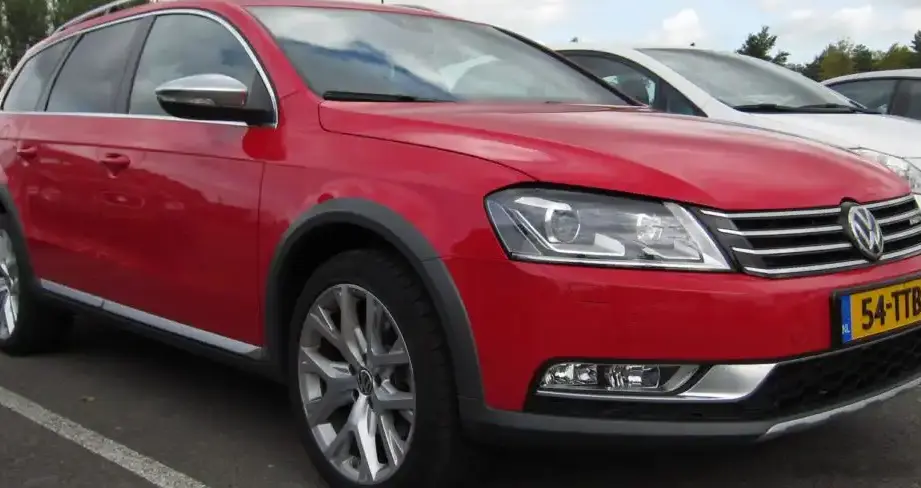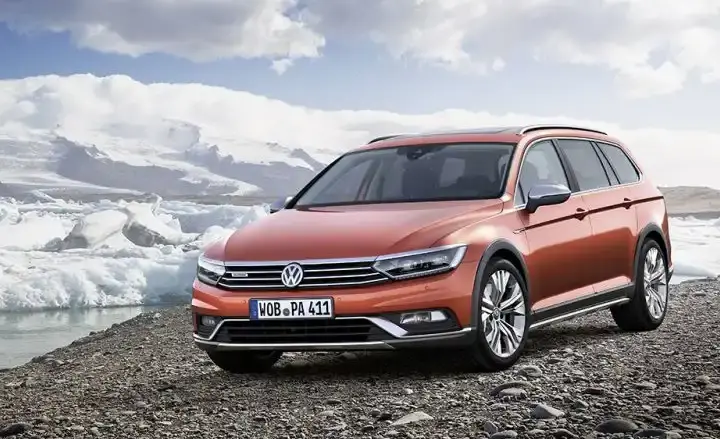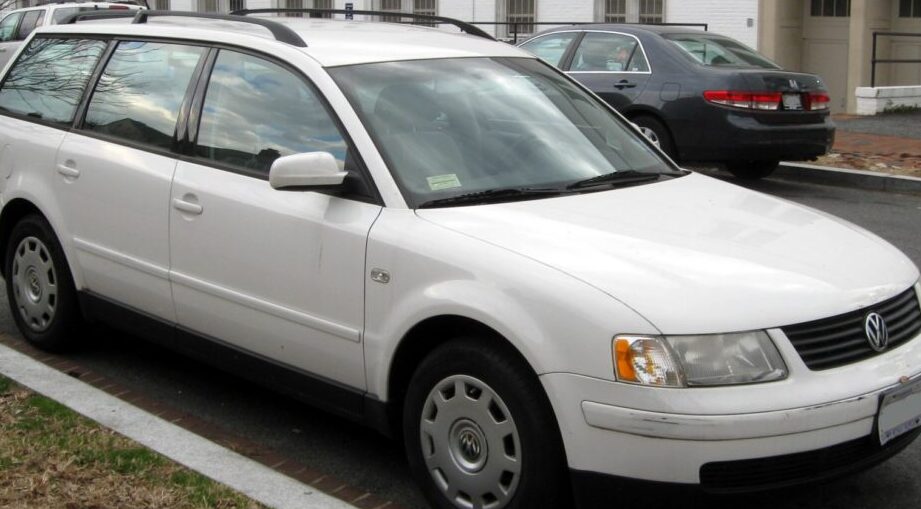
The Volkswagen Passat Variant (B5) 2.8 30V Syncro, produced between 1997 and 2000, represents a compelling blend of practicality, performance, and all-weather capability within the B5 Passat generation. Positioned as a premium offering in the Passat lineup, the Syncro models, particularly those equipped with the 2.8-liter V6 engine, catered to buyers seeking a more sophisticated and capable estate car. This variant was primarily marketed in Europe, where the demand for station wagons and all-wheel-drive systems remained strong. It sat at the top of the performance spectrum for the B5 Passat Variant, offering a significant step up from the four-cylinder options.
Technical Specifications
| Brand | Volkswagen |
| Model | Passat |
| Generation | Passat Variant (B5) |
| Type (Engine) | 2.8 30V Syncro (193 Hp) |
| Start of production | 1997 |
| End of production | 2000 |
| Powertrain Architecture | Internal Combustion engine |
| Body type | Station wagon (estate) |
| Seats | 5 |
| Doors | 5 |
| Fuel consumption (economy) – urban | 15.2 l/100 km (15.5 US mpg, 18.6 UK mpg, 6.6 km/l) |
| Fuel consumption (economy) – extra urban | 8 l/100 km (29.4 US mpg, 35.3 UK mpg, 12.5 km/l) |
| Fuel Type | Petrol (Gasoline) |
| Acceleration 0 – 100 km/h | 7.8 sec |
| Acceleration 0 – 62 mph | 7.8 sec |
| Acceleration 0 – 60 mph | 7.4 sec |
| Maximum speed | 232 km/h (144.16 mph) |
| Weight-to-power ratio | 7.7 kg/Hp, 129.1 Hp/tonne |
| Weight-to-torque ratio | 5.3 kg/Nm, 187.3 Nm/tonne |
| Power | 193 Hp @ 6000 rpm |
| Power per litre | 69.6 Hp/l |
| Torque | 280 Nm @ 3200 rpm (206.52 lb.-ft. @ 3200 rpm) |
| Engine layout | Front, Longitudinal |
| Engine Model/Code | ACK, ALG |
| Engine displacement | 2771 cm3 (169.1 cu. in.) |
| Number of cylinders | 6 |
| Engine configuration | V-engine |
| Cylinder Bore | 82.5 mm (3.25 in.) |
| Piston Stroke | 86.4 mm (3.4 in.) |
| Compression ratio | 10.6:1 |
| Number of valves per cylinder | 5 |
| Fuel injection system | Multi-port manifold injection |
| Engine aspiration | Naturally aspirated engine |
| Valvetrain | DOHC |
| Engine oil capacity | 5.7 l (6.02 US qt, 5.02 UK qt) |
| Coolant | 8 l (8.45 US qt, 7.04 UK qt) |
| Kerb Weight | 1495 kg (3295.91 lbs.) |
| Max. weight | 2040 kg (4497.43 lbs.) |
| Max load | 545 kg (1201.52 lbs.) |
| Trunk (boot) space – minimum | 495 l (17.48 cu. ft.) |
| Trunk (boot) space – maximum | 1600 l (56.5 cu. ft.) |
| Fuel tank capacity | 62 l (16.38 US gal, 13.64 UK gal) |
| Length | 4675 mm (184.06 in.) |
| Width | 1740 mm (68.5 in.) |
| Height | 1459 mm (57.44 in.) |
| Wheelbase | 2703 mm (106.42 in.) |
| Front track | 1498 mm (58.98 in.) |
| Rear (Back) track | 1500 mm (59.06 in.) |
| Drive wheel | All wheel drive (4×4) |
| Number of gears and type of gearbox | 5 gears, manual transmission |
| Front suspension | Coil spring |
| Rear suspension | Coil spring |
| Front brakes | Ventilated discs |
| Rear brakes | Disc |
| Assisting systems | ABS (Anti-lock braking system) |
| Steering type | Steering rack and pinion |
| Power steering | Hydraulic Steering |
| Tires size | 205/55 R16 |
| Wheel rims size | 7J x 16 |
Powertrain & Engine Architecture
The heart of the Passat Variant 2.8 30V Syncro is the ACK or ALG engine code, a 2.8-liter naturally aspirated V6. This engine is characterized by its 30-valve configuration (five valves per cylinder – three intake, two exhaust), contributing to improved breathing and higher-RPM performance. It utilizes a multi-port fuel injection system, delivering fuel directly into the intake ports. The engine’s longitudinal mounting allowed for a more balanced weight distribution, crucial for the Syncro’s all-wheel-drive system. The 5-speed manual transmission was the standard offering, providing precise control and a direct connection to the engine’s power. The Syncro system itself is a viscous coupling-based all-wheel-drive system, providing automatic torque distribution between the front and rear axles as needed, enhancing traction in slippery conditions.
Driving Characteristics
The 2.8-liter V6, producing 193 horsepower and 206 lb-ft of torque, delivered a noticeably more spirited driving experience compared to the base four-cylinder Passat Variants. Acceleration to 60 mph was achieved in approximately 7.4-7.8 seconds, making it a relatively quick estate car for its time. The manual transmission allowed for full control over the engine’s powerband, while the Syncro system provided confident handling in various weather conditions. The gear ratios were tuned for a balance between acceleration and fuel economy, but the V6’s thirst for fuel was considerably higher than that of the smaller-engined models. Compared to the later 1.8T turbocharged engine, the 2.8 V6 offered a more linear power delivery, lacking the turbo’s characteristic lag but providing a broader, more predictable powerband.
Equipment & Trim Levels
The 2.8 30V Syncro typically came well-equipped, reflecting its position as a premium trim level. Standard features often included power windows, power locks, air conditioning, and an upgraded audio system. Interior upholstery was typically cloth or leather, with wood trim accents available as an option. Optional extras could include a sunroof, heated seats, automatic climate control, and upgraded alloy wheels. The dashboard layout was typical of the B5 Passat, with a functional and ergonomic design. The Syncro models also featured a distinctive instrument cluster with gauges monitoring the all-wheel-drive system.
Chassis & Braking
The Passat Variant B5 featured an independent suspension setup at all four corners, utilizing coil springs and shock absorbers. The Syncro models often benefited from slightly stiffer suspension components to handle the increased weight and power. Braking duties were handled by ventilated discs at the front and solid discs at the rear, with ABS (Anti-lock Braking System) standard. The braking system was generally considered adequate for the car’s performance, but the increased weight of the Syncro models required a bit more stopping distance compared to the lighter front-wheel-drive variants.
Market Reception & Comparison
The Passat Variant 2.8 30V Syncro was generally well-received by automotive critics, who praised its performance, handling, and practicality. However, its higher price tag and increased fuel consumption were noted drawbacks. Compared to other trims, the 2.8 Syncro offered a significant performance advantage but at a cost. The 1.8T models provided a good balance of performance and fuel economy, while the diesel variants (like the 1.9 TDI) prioritized fuel efficiency and torque. The Syncro’s all-wheel-drive system was a major selling point for buyers in regions with harsh winters or challenging road conditions.
Legacy
The 2.8-liter V6 engine, while not known for being the most fuel-efficient, proved to be relatively reliable when properly maintained. Common issues included oil leaks and occasional sensor failures. The Syncro all-wheel-drive system is generally robust, but the viscous coupling can wear out over time, requiring replacement. Today, the Passat Variant 2.8 30V Syncro is a sought-after classic among enthusiasts, particularly those who appreciate its combination of performance, practicality, and all-weather capability. Well-maintained examples command a premium in the used car market, and the car remains a testament to Volkswagen’s engineering prowess during the B5 Passat era.