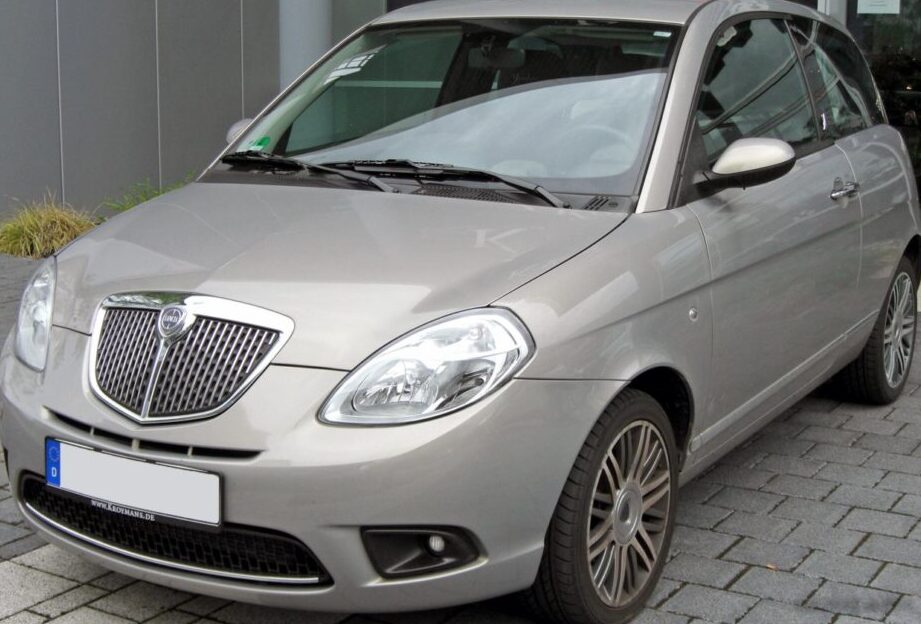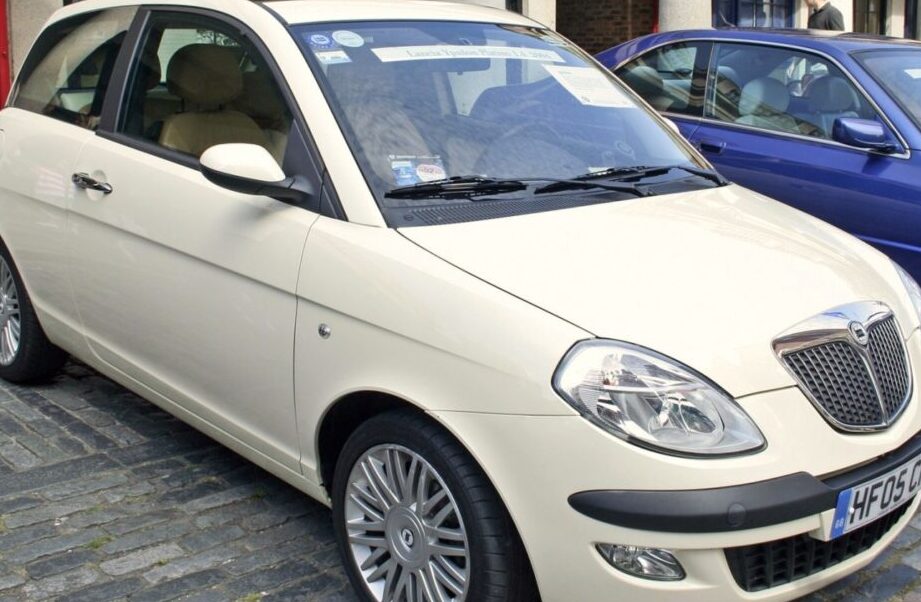
The Lancia Ypsilon (843) 1.4 i 16V, produced between 2003 and 2006, represented a key variant within the second generation of Lancia’s popular city car. Positioned as a mid-range offering, it aimed to balance affordability with a reasonable level of performance and equipment. This Ypsilon generation, built on the Fiat/Lancia 843 platform (shared with the Fiat Punto Mk2), was primarily targeted at the European market, particularly Italy, where Lancia maintained a strong brand presence. The 1.4 i 16V model offered a step up in power compared to the base 1.2-liter engine, while remaining more accessible than the sportier, higher-specification versions.
Technical Specifications
| Brand | Lancia |
| Model | Ypsilon |
| Generation | Ypsilon (843) |
| Type (Engine) | 1.4 i 16V (95 Hp) |
| Start of production | 2003 |
| End of production | 2006 |
| Powertrain Architecture | Internal Combustion engine |
| Body type | Hatchback |
| Seats | 5 |
| Doors | 3 |
| Fuel consumption (urban) | 8.4 l/100 km (28 US mpg, 33.6 UK mpg, 11.9 km/l) |
| Fuel consumption (extra urban) | 5.6 l/100 km (42 US mpg, 50.4 UK mpg, 17.9 km/l) |
| Fuel consumption (combined) | 6.6 l/100 km (35.6 US mpg, 42.8 UK mpg, 15.2 km/l) |
| Fuel Type | Petrol (Gasoline) |
| Acceleration 0 – 100 km/h | 10.9 sec |
| Acceleration 0 – 62 mph | 10.9 sec |
| Acceleration 0 – 60 mph | 10.4 sec |
| Maximum speed | 175 km/h (108.74 mph) |
| Weight-to-power ratio | 10.3 kg/Hp, 96.9 Hp/tonne |
| Weight-to-torque ratio | 7.7 kg/Nm, 130.6 Nm/tonne |
| Power | 95 Hp @ 5800 rpm |
| Power per litre | 69.4 Hp/l |
| Torque | 128 Nm @ 4500 rpm (94.41 lb.-ft. @ 4500 rpm) |
| Engine layout | Front, Transverse |
| Engine Model/Code | 843 A1.000 |
| Engine displacement | 1368 cm3 (83.48 cu. in.) |
| Number of cylinders | 4 |
| Engine configuration | Inline |
| Cylinder Bore | 72 mm (2.83 in.) |
| Piston Stroke | 84 mm (3.31 in.) |
| Compression ratio | 11:1 |
| Number of valves per cylinder | 4 |
| Fuel injection system | Multi-port manifold injection |
| Engine aspiration | Naturally aspirated engine |
| Valvetrain | DOHC |
| Engine oil capacity | 2.9 l (3.06 US qt | 2.55 UK qt) |
| Coolant | 4.5 l (4.76 US qt | 3.96 UK qt) |
| Kerb Weight | 980 kg (2160.53 lbs.) |
| Trunk (boot) space – minimum | 215 l (7.59 cu. ft.) |
| Fuel tank capacity | 47 l (12.42 US gal | 10.34 UK gal) |
| Length | 3778 mm (148.74 in.) |
| Width | 1704 mm (67.09 in.) |
| Height | 1530 mm (60.24 in.) |
| Wheelbase | 2388 mm (94.02 in.) |
| Front track | 1450 mm (57.09 in.) |
| Rear (Back) track | 1440 mm (56.69 in.) |
| Minimum turning circle | 9.8 m (32.15 ft.) |
| Drivetrain Architecture | The Internal combustion engine (ICE) drives the front wheels of the vehicle. |
| Drive wheel | Front wheel drive |
| Number of gears and type of gearbox | 5 gears, manual transmission |
| Front suspension | Spring Strut |
| Rear suspension | Torsion |
| Front brakes | Disc |
| Rear brakes | Drum |
| Assisting systems | ABS (Anti-lock braking system) |
| Steering type | Steering rack and pinion |
| Tires size | 185/65 R14 |
Powertrain & Engine Architecture
The heart of the Ypsilon 1.4 i 16V is the 843 A1.000 engine, a naturally aspirated, 1.4-liter inline-four cylinder gasoline engine. This engine, a common unit within the Fiat group at the time, featured a double overhead camshaft (DOHC) valvetrain operating four valves per cylinder. The multi-port fuel injection system delivered fuel directly into the intake ports, optimizing combustion. The engine produced 95 horsepower at 5800 rpm and 128 Nm (94.41 lb-ft) of torque at 4500 rpm. The 1.4-liter engine benefitted from a slightly higher compression ratio of 11:1, contributing to improved efficiency and power output compared to the smaller 1.2-liter variant. The engine was transversely mounted in the front of the vehicle, driving the front wheels. The standard transmission was a five-speed manual gearbox, although a Dualogic automated manual transmission was also available as an option.
Driving Characteristics
The Ypsilon 1.4 i 16V offered a noticeable improvement in performance over the base 1.2-liter model. While not a sports car, the 95 hp engine provided adequate power for city driving and comfortable cruising on highways. Acceleration from 0 to 60 mph took approximately 10.4 seconds, and the top speed was around 108.74 mph. The five-speed manual transmission allowed drivers to effectively utilize the engine’s powerband. Gear ratios were tuned for a balance between acceleration and fuel economy. Compared to the more powerful (and often more expensive) versions of the Ypsilon, the 1.4 i 16V prioritized fuel efficiency and ease of driving over outright performance. The manual transmission provided a more engaging driving experience than the optional Dualogic system, which could sometimes feel hesitant in its shifts.
Equipment & Trim Levels
The 1.4 i 16V Ypsilon typically came equipped with features such as power steering, central locking, electric front windows, and an adjustable steering column. Interior upholstery was generally cloth, with options for upgraded materials available. Dashboard design was functional and modern for its time, with a focus on ergonomics. Optional extras included air conditioning, alloy wheels, a radio/CD player, and a sunroof. Higher trim levels, such as the “Eleganza” or “Platina” variants, added features like upgraded interior trim, fog lights, and more sophisticated audio systems. The Ypsilon was also known for its customization options, allowing buyers to personalize their vehicles with a range of colors and interior finishes.
Chassis & Braking
The Ypsilon 843 utilized a relatively simple chassis design. Front suspension consisted of MacPherson struts, while the rear employed a torsion beam setup. This configuration provided a comfortable ride quality, suitable for urban environments. Braking was handled by disc brakes on the front wheels and drum brakes on the rear. An Anti-lock Braking System (ABS) was standard equipment, enhancing safety. The Ypsilon’s relatively light weight (around 980 kg or 2160.53 lbs) contributed to its nimble handling. Stabilizer bars were fitted to both the front and rear axles to reduce body roll during cornering.
Market Reception & Comparison
The Lancia Ypsilon 1.4 i 16V was generally well-received by automotive critics as a practical and stylish city car. It offered a good balance of performance, fuel economy, and equipment for its price point. Compared to the base 1.2-liter model, the 1.4 i 16V provided a noticeable improvement in driving experience, making it a more appealing option for those who frequently drove on highways or carried passengers. However, it wasn’t as sporty or refined as some of its competitors, such as the Mini Cooper or the Audi A1. Fuel economy was respectable, averaging around 35.6 US mpg in combined driving conditions. Reliability was generally good, although some owners reported minor issues with the electrical system.
Legacy
The Lancia Ypsilon 843 1.4 i 16V remains a relatively common sight on European roads today. The 843 A1.000 engine is known for its durability and relatively low maintenance costs. Used examples are generally affordable, making them an attractive option for budget-conscious buyers. While not a particularly collectible model, the Ypsilon 1.4 i 16V represents a well-rounded and practical city car from a period when Lancia still enjoyed a significant presence in the European automotive market. Its simple mechanical design and readily available parts contribute to its continued viability as a reliable and economical mode of transportation.