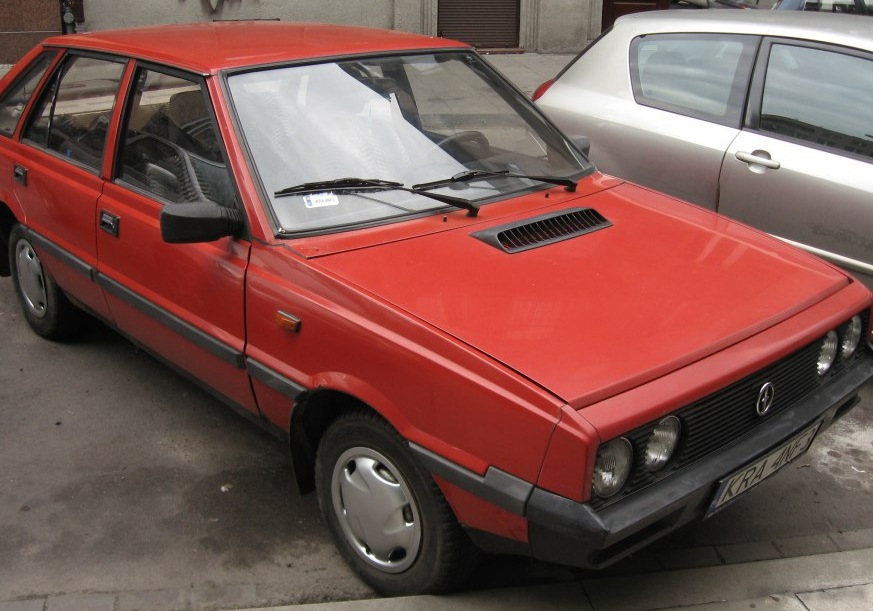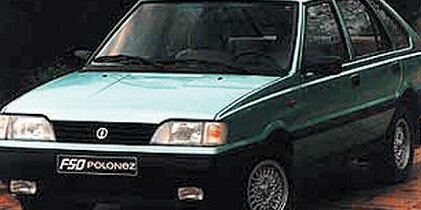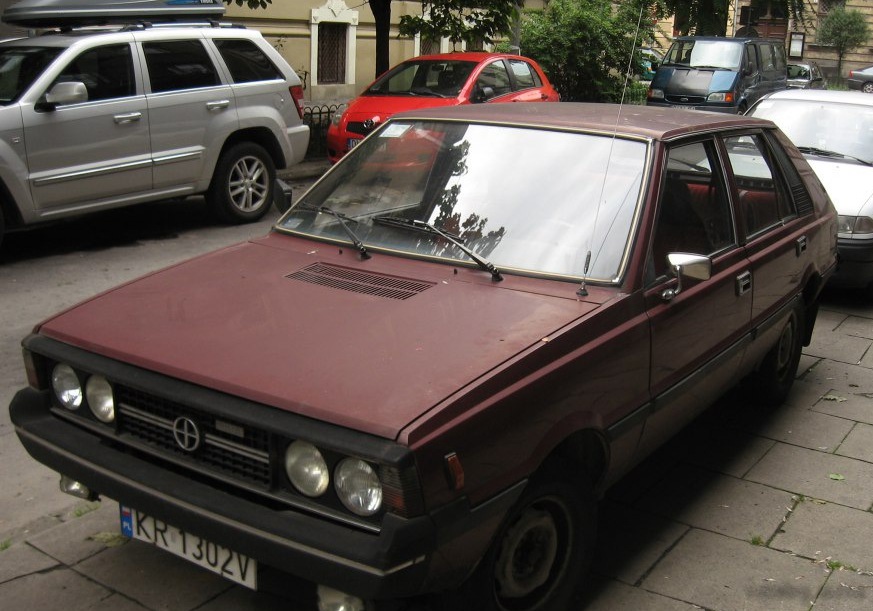
The FSO Polonez I 1.5, producing 82 horsepower, represents a significant chapter in Polish automotive history. Manufactured by Fabryka Samochodów Osobowych (FSO) from 1978 to 1988, this variant was a mainstay of the Polonez I series, the first generation of this domestically produced vehicle. The Polonez was intended to modernize Poland’s automotive offerings, replacing the aging FSO 125p and 1300/1500 models. It was a key vehicle in providing personal transportation during the final years of communist rule in Poland and the early transition period. The 1.5-liter, 82 hp version served as a core model within the Polonez I lineup, offering a balance between affordability and practicality for the Polish market.
Technical Specifications
| Brand | FSO |
| Model | Polonez |
| Generation | Polonez I |
| Type (Engine) | 1.5 (82 Hp) |
| Start of Production | 1978 |
| End of Production | 1988 |
| Powertrain Architecture | Internal Combustion Engine |
| Body Type | Hatchback |
| Fuel Type | Petrol (Gasoline) |
| Power | 82 Hp |
| Engine Aspiration | Naturally Aspirated |
| Engine Displacement | 1498 cc (1.5 Liters) |
| Cylinders | 4 |
| Valves per Cylinder | 2 |
| Fuel System | Carburetor (Typically Solex C35F) |
| Transmission | 4-Speed Manual (Most Common), 3-Speed Automatic (Available) |
| Drive Type | Rear-Wheel Drive |
| Weight (Approximate) | 1,080 – 1,150 kg (2,381 – 2,535 lbs) |
| Top Speed (Approximate) | 145 km/h (90 mph) |
| Fuel Economy (Approximate) | 8-10 L/100km (26-30 mpg) |
Powertrain & Engine Architecture
The FSO Polonez I 1.5 was powered by a 1.5-liter inline-four cylinder engine. This engine, internally designated as the 1500, was a development of the earlier FSO engines used in the 125p and 1300/1500 models, but with some modifications to improve reliability and performance. The engine featured a cast iron block and cylinder head, with a two-valve per cylinder configuration. The 82 horsepower output was achieved through a relatively modest compression ratio and a Solex C35F carburetor, a common design for the era. The engine’s design prioritized durability and ease of maintenance over outright performance. While a 4-speed manual transmission was the most common pairing, a 3-speed automatic transmission was offered as an option, though it was less frequently chosen due to its impact on fuel economy and performance. The automatic transmission was sourced from outside Poland, adding to the vehicle’s cost.
Driving Characteristics
The Polonez I 1.5, particularly in its 82 hp configuration, offered a utilitarian driving experience. Acceleration was adequate for everyday driving, but not particularly brisk. The 0-60 mph time was estimated to be around 14-16 seconds. The 4-speed manual transmission allowed for reasonable control over the engine’s power band, while the optional 3-speed automatic resulted in noticeable performance degradation. The rear-wheel drive layout provided predictable handling, but the car’s relatively high center of gravity and soft suspension tuning meant it wasn’t a particularly sporty vehicle. The steering was somewhat heavy, typical of cars from this period. The automatic transmission, while offering convenience, significantly dulled the driving experience, with noticeable lag and less responsive gear changes. Compared to potential future upgrades like the Polonez Caro with fuel injection, the 1.5 carburetor engine felt dated.
Equipment & Trim Levels
The Polonez I 1.5 was generally offered in fairly basic trim levels, reflecting the economic conditions in Poland at the time. Standard equipment typically included cloth upholstery, basic instrumentation (speedometer, fuel gauge, temperature gauge), and a heater. Radio was often an optional extra. The interior was functional but lacked the refinement of Western European or American cars. Higher trim levels, though rare, might include upgraded upholstery, a more comprehensive instrument cluster, and additional comfort features. The exterior trim was also relatively simple, with basic chrome accents and steel wheels. Optional extras included a sunroof, upgraded sound system, and different paint colors. The automatic transmission version often came with slightly more comfortable seats as standard.
Chassis & Braking
The Polonez I utilized a body-on-frame construction, which was becoming increasingly outdated in the late 1970s and 1980s. The suspension consisted of independent front suspension with wishbones and coil springs, and a live axle with leaf springs at the rear. The braking system was initially equipped with drum brakes on all four wheels, but later models often featured front disc brakes. The braking performance was adequate for the car’s weight and performance, but lacked the stopping power of more modern vehicles. Stabilizer bars were not standard equipment on all models, and their absence contributed to noticeable body roll during cornering. The chassis design prioritized robustness and simplicity over handling precision.
Market Reception & Comparison
The FSO Polonez I 1.5 was generally well-received in Poland, as it offered a domestically produced alternative to imported vehicles, which were often expensive and difficult to obtain. Critics praised its practicality, spaciousness, and relatively low price. However, it was also criticized for its outdated design, poor fuel economy (especially the automatic version), and lack of refinement. Compared to other trims, the 1.5-liter version was considered the most sensible choice for everyday use, offering a good balance between performance and economy. The more powerful versions, while offering better acceleration, were less fuel-efficient and more expensive. The automatic transmission version was often seen as a compromise, offering convenience at the expense of performance and fuel economy.
Legacy
The FSO Polonez I 1.5 holds a significant place in Polish automotive history. It represented a concerted effort to modernize the country’s automotive industry and provide affordable transportation to its citizens. While the car itself was not particularly innovative, it served as a reliable and practical vehicle for many Polish families. Today, the Polonez I 1.5 is becoming increasingly collectible, particularly well-preserved examples. The 1.5-liter engine is known for its durability, but like all older vehicles, it requires regular maintenance. The automatic transmission versions are less sought after due to their lower performance and potential maintenance issues. The Polonez I, and specifically the 1.5 variant, remains a nostalgic symbol of a bygone era in Poland.