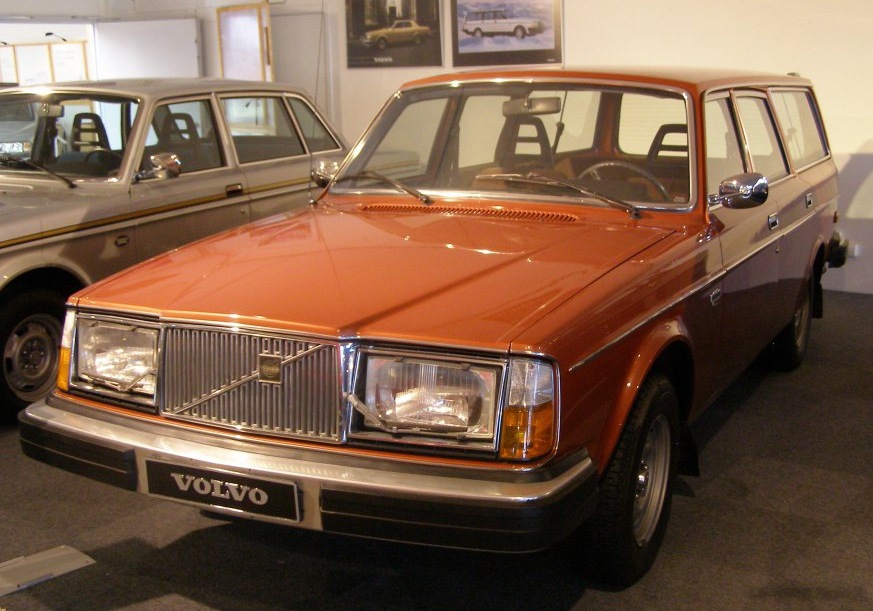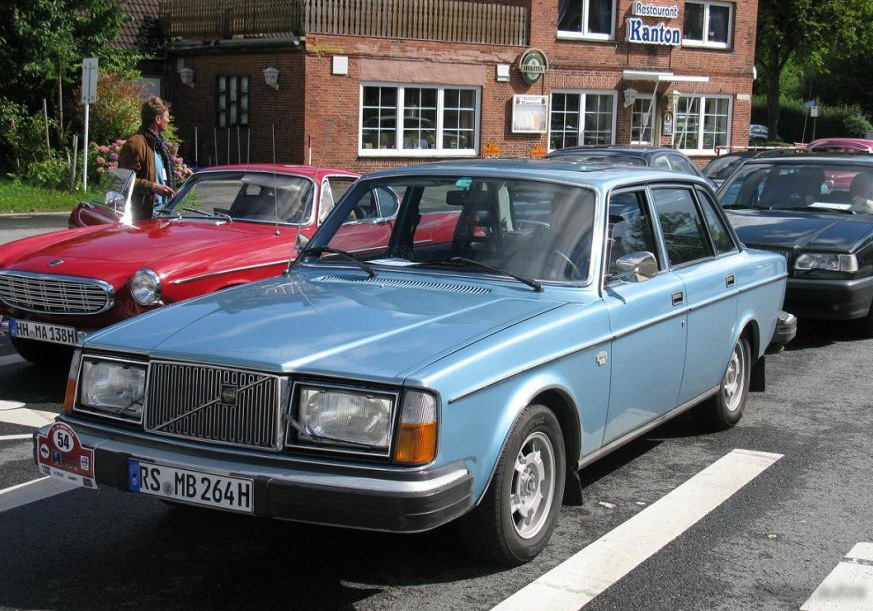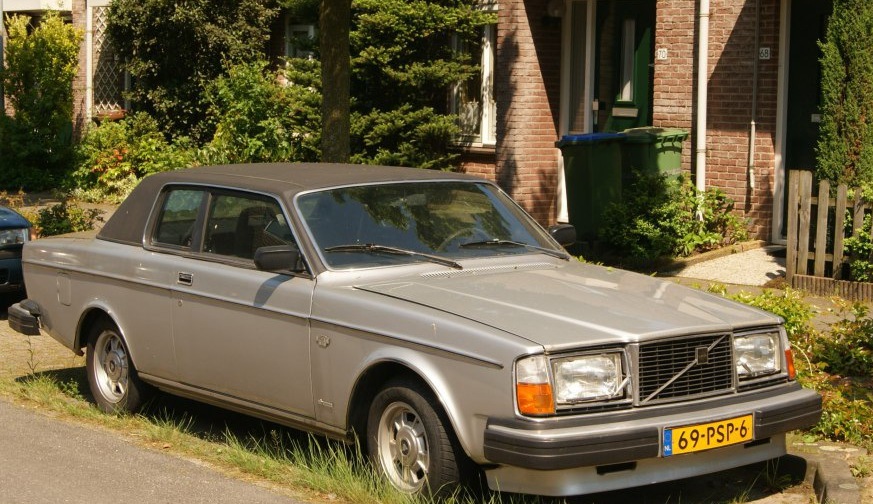
The Volvo 260 Coupe, internally designated as the P262, represented Volvo’s foray into the premium coupe market during the mid-1970s. Produced between 1975 and 1979, it was based on the Volvo 240 series platform, but offered a more sporting and luxurious experience. The 2.7-liter (140 hp) variant, powered by the B27E engine, occupied a middle ground in the 260 lineup, offering a balance between performance and refinement. It aimed to attract buyers seeking a stylish and comfortable grand tourer, distinct from the more utilitarian 240 sedan and wagon models.
Technical Specifications
| Brand | Volvo |
| Model | 260 |
| Generation | 260 Coupe (P262) |
| Type (Engine) | 2.7 (140 Hp) |
| Start of production | 1975 |
| End of production | 1979 |
| Powertrain Architecture | Internal Combustion engine |
| Body type | Coupe |
| Doors | 2 |
| Fuel Type | Petrol (Gasoline) |
| Power | 140 Hp |
| Engine Model/Code | B27E |
| Engine aspiration | Naturally aspirated engine |
| Engine oil capacity | 6.5 l (6.87 US qt | 5.72 UK qt) |
| Coolant capacity | 10.9 l (11.52 US qt | 9.59 UK qt) |
| Fuel tank capacity | 60 l (15.85 US gal | 13.2 UK gal) |
Powertrain & Engine Architecture
The heart of the 260 Coupe 2.7 was the B27E engine, a 2.7-liter inline-six cylinder powerplant. This engine was an evolution of Volvo’s long-standing six-cylinder design, known for its robustness and smooth operation. The B27E featured a cast iron block and an aluminum cylinder head, contributing to its durability. It utilized a single overhead camshaft (SOHC) valvetrain, operating two valves per cylinder. Fuel delivery was managed by Bosch mechanical fuel injection, a relatively sophisticated system for the time, offering improved efficiency and performance compared to carbureted engines. The injection system consisted of a distributor-type fuel pump and six individual injectors, one for each cylinder. The engine produced 140 horsepower at 5,200 rpm and 178 lb-ft of torque at 3,000 rpm. The engine was mated to a three-speed automatic transmission, a Borg-Warner unit, which was standard equipment for this variant. This transmission was chosen to provide a comfortable and effortless driving experience, aligning with the coupe’s grand touring character.
Driving Characteristics
The 260 Coupe 2.7 with the automatic transmission offered a relaxed and refined driving experience. While not a sports car in the modern sense, the engine provided adequate power for comfortable highway cruising and passing maneuvers. The automatic transmission, while smooth, did detract somewhat from the engine’s potential, resulting in slightly slower acceleration compared to the manual transmission equipped models. The gear ratios were optimized for fuel economy and cruising comfort rather than outright performance. The car weighed approximately 3,200 pounds, which, combined with the automatic transmission, resulted in a 0-60 mph time of around 10-11 seconds. The steering was relatively light and precise, and the suspension, while tuned for comfort, provided reasonable handling characteristics. Compared to the 260’s with the four-cylinder engine, the 2.7 offered a significant performance boost, but it lacked the responsiveness of the later 2.8-liter V6 versions.
Equipment & Trim Levels
The 260 Coupe was positioned as a premium offering within the Volvo lineup, and as such, came standard with a generous array of features. Standard equipment included power steering, power brakes, cloth upholstery, a wood-trimmed dashboard, and a high-quality stereo system. The 2.7-liter variant typically included features like air conditioning and leather upholstery as optional extras. Interior trim options included various cloth and leather colors, allowing buyers to personalize their vehicles. Optional extras also included sunroofs, upgraded sound systems, and trip computers. The dashboard layout was clean and functional, with clearly marked gauges and controls. The interior was spacious for a coupe, offering comfortable seating for two adults and reasonable space for luggage in the trunk.
Chassis & Braking
The 260 Coupe shared its chassis with the Volvo 240 series, featuring a robust unibody construction. The suspension consisted of independent front suspension with MacPherson struts and a solid rear axle with leaf springs. The rear axle was equipped with a stabilizer bar to reduce body roll during cornering. The braking system utilized disc brakes on all four wheels, providing ample stopping power. Power assist was standard. The tires were typically 185/80R15, providing a good balance between ride comfort and handling. The chassis was designed for durability and safety, reflecting Volvo’s commitment to these values. Compared to the standard 240, the 260 Coupe benefited from slightly stiffer suspension tuning to improve handling.
Market Reception & Comparison
The Volvo 260 Coupe was generally well-received by automotive critics, who praised its stylish design, comfortable interior, and robust construction. However, some critics noted that the performance of the 2.7-liter engine with the automatic transmission was somewhat underwhelming. Compared to other coupes in its class, such as the BMW 320i and the Mercedes-Benz 230C, the 260 Coupe offered a different appeal – prioritizing comfort and safety over outright performance. Fuel economy was reasonable for the time, averaging around 17-20 mpg in mixed driving. Reliability was generally good, although the Bosch fuel injection system could require occasional maintenance. The 2.7-liter automatic variant was often seen as a good compromise for buyers who wanted a comfortable and stylish coupe without the added expense of the V6 models.
Legacy
The Volvo 260 Coupe, while not a high-volume seller, has gained a following among classic car enthusiasts. The B27E engine is known for its durability and relatively simple maintenance requirements. The automatic transmission, while not particularly sporty, has proven to be reliable. Today, well-maintained 260 Coupes are sought after by collectors and enthusiasts who appreciate their unique styling and classic Volvo character. Parts availability is generally good, although some specific trim pieces can be difficult to find. The 2.7-liter automatic variant remains a popular choice for those seeking a comfortable and reliable classic coupe, offering a taste of 1970s Swedish luxury and engineering.