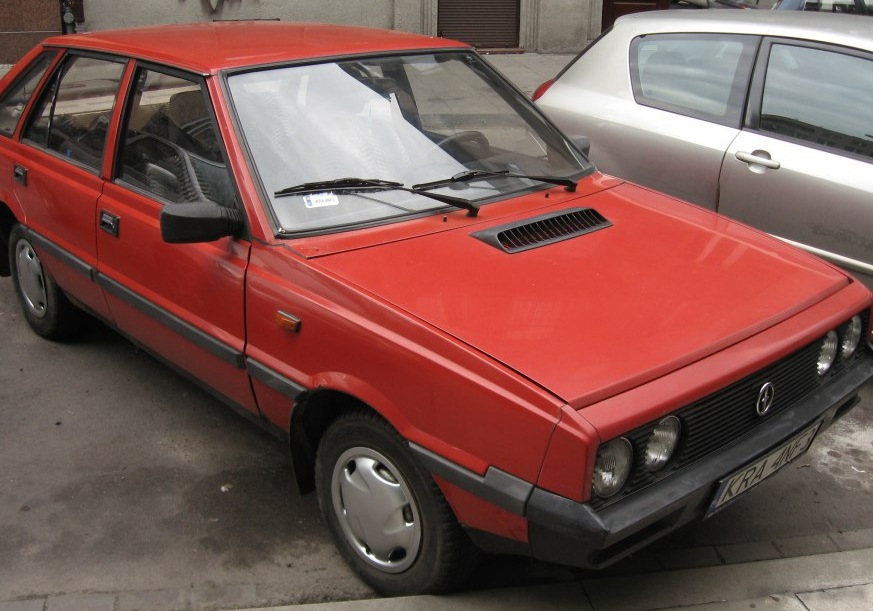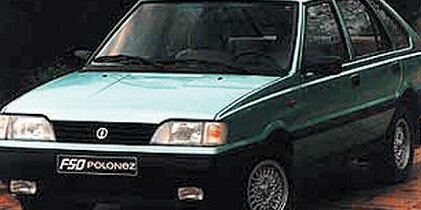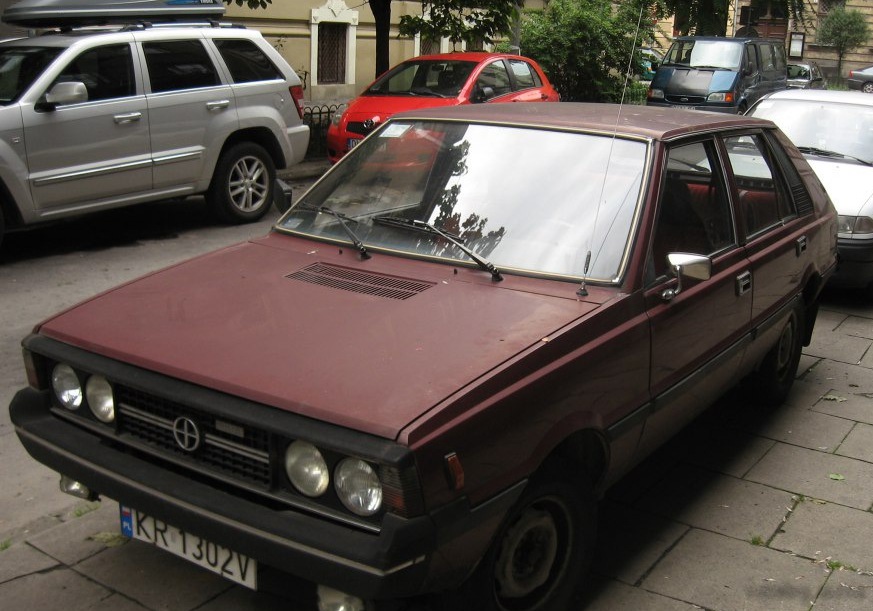
The FSO Polonez I 1.5 Turbo, produced from 1978 to 1991, represents a unique and relatively rare variant within the broader Polonez I lineage. Positioned as a performance-oriented option, it was one of the first Polish-produced cars to feature turbocharging. The Polonez I itself was based on the Fiat 124 platform, significantly modernized and adapted for Polish manufacturing by Fabryka Samochodów Osobowych (FSO). This particular 1.5 Turbo model aimed to offer a more spirited driving experience than the standard, naturally aspirated engines available, though it remained a practical and affordable family car within the Eastern European automotive landscape. It was a product of Poland’s automotive industry during the communist era, reflecting both the limitations and the ingenuity of the time.
Technical Specifications
| Brand | FSO |
| Model | Polonez |
| Generation | Polonez I |
| Type (Engine) | 1.5 Turbo (95 Hp) |
| Start of Production | 1978 |
| End of Production | 1991 |
| Powertrain Architecture | Internal Combustion Engine |
| Body Type | Hatchback |
| Fuel Type | Petrol (Gasoline) |
| Power | 95 Hp |
| Engine Aspiration | Turbocharger |
Powertrain & Engine Architecture
The heart of the Polonez I 1.5 Turbo is its 1498cc inline-four cylinder engine, designated as the 4ES engine. This engine was a significant departure from the standard Polonez I offerings, which primarily featured 1.3L and 1.5L naturally aspirated engines. The addition of a turbocharger, manufactured by IHI, dramatically increased the engine’s output. The turbocharger itself was a relatively small unit, reflecting the technological constraints of the era, but it provided a noticeable boost in power and torque. Fuel delivery was managed by a single, down-draft carburetor, a common setup for Polish vehicles of the time, though less sophisticated than fuel injection systems found in Western European or American cars. The engine featured a single overhead camshaft (SOHC) valvetrain, operating two valves per cylinder. The compression ratio was approximately 8.5:1, a compromise necessary to accommodate the turbocharger and prevent pre-ignition. The engine was mated to a four-speed manual transmission, as an automatic transmission was not offered on this model. The turbocharger’s intercooler was mounted in the front of the vehicle, requiring careful routing of ducting and potentially impacting front-end collision repair.
Driving Characteristics
The Polonez I 1.5 Turbo offered a distinctly different driving experience compared to its naturally aspirated counterparts. The turbocharger provided a noticeable surge of power in the mid-range, improving acceleration and making overtaking maneuvers considerably easier. While the 95 horsepower output doesn’t sound impressive by modern standards, it was a substantial increase over the base Polonez models. However, the turbo lag was quite pronounced, meaning there was a delay between pressing the accelerator and feeling the full effect of the turbocharger. This required drivers to anticipate acceleration needs and adjust their driving style accordingly. The four-speed manual transmission had relatively widely spaced gear ratios, which further emphasized the engine’s characteristics. First gear was quite low, providing good acceleration from a standstill, while fourth gear was geared for cruising at highway speeds. The Polonez I’s suspension, while robust, was not particularly sophisticated. It featured a MacPherson strut front suspension and a live axle rear suspension. This setup provided a comfortable ride on smooth roads, but could become unsettled on uneven surfaces. The car’s relatively light weight (around 2,300 lbs) helped to offset the limitations of the suspension and allowed the engine’s power to be effectively utilized.
Equipment & Trim Levels
The Polonez I 1.5 Turbo was generally positioned as a mid-range to upper-mid-range trim level within the Polonez I lineup. Standard equipment included cloth upholstery, a basic instrument cluster, and manually operated windows and door locks. The interior was functional and utilitarian, reflecting the car’s overall design philosophy. Optional extras included a radio, upgraded seat upholstery, and a sunroof. The exterior trim was relatively simple, with chrome bumpers and basic hubcaps. The Polonez I 1.5 Turbo could be identified by a small “Turbo” badge on the rear of the car. The dashboard layout was typical of the Polonez I, with a straightforward arrangement of gauges and controls. The steering wheel was a large, two-spoke design. Interior space was generous for a car of its size, offering comfortable seating for five passengers.
Chassis & Braking
The Polonez I utilized a body-on-frame construction, a relatively archaic design by the late 1970s and early 1980s. This contributed to the car’s robustness but also added to its weight. The front suspension consisted of MacPherson struts, while the rear suspension employed a live axle with leaf springs. Braking was provided by disc brakes on the front wheels and drum brakes on the rear wheels. The braking system was adequate for normal driving conditions, but lacked the stopping power of more modern cars. Steering was by a recirculating ball system, which provided a relatively heavy and imprecise feel. The Polonez I’s chassis was designed to withstand the challenging road conditions prevalent in Poland and other Eastern European countries. The car’s ground clearance was relatively high, allowing it to navigate rough terrain with ease.
Market Reception & Comparison
The Polonez I 1.5 Turbo was generally well-received in Poland, offering a performance upgrade that was previously unavailable in domestically produced cars. It appealed to drivers who wanted a more engaging driving experience without sacrificing practicality or affordability. However, the car was not without its drawbacks. The turbo lag, the relatively basic interior, and the somewhat crude handling were all points of criticism. Compared to the standard Polonez I models, the 1.5 Turbo offered significantly improved acceleration and top speed. It was also more expensive to purchase and maintain, due to the added complexity of the turbocharger system. Compared to Western European cars of the same era, the Polonez I 1.5 Turbo was less refined and less technologically advanced, but it offered a compelling value proposition for budget-conscious buyers. Fuel economy was reasonable for a turbocharged car of the time, averaging around 28-32 mpg.
Legacy
The FSO Polonez I 1.5 Turbo holds a unique place in Polish automotive history as one of the first turbocharged cars produced in the country. While it wasn’t a technological marvel by Western standards, it represented a significant step forward for the Polish automotive industry. The 4ES engine, while prone to occasional issues with the turbocharger and carburetor, proved to be relatively durable with proper maintenance. Today, the Polonez I 1.5 Turbo is a sought-after classic car among enthusiasts in Poland and other Eastern European countries. Its rarity and unique character make it a collectible vehicle. Parts availability can be challenging, but a dedicated community of owners and enthusiasts helps to keep these cars on the road. The Polonez I 1.5 Turbo serves as a reminder of a bygone era in automotive history, when innovation and affordability were often prioritized over luxury and refinement.