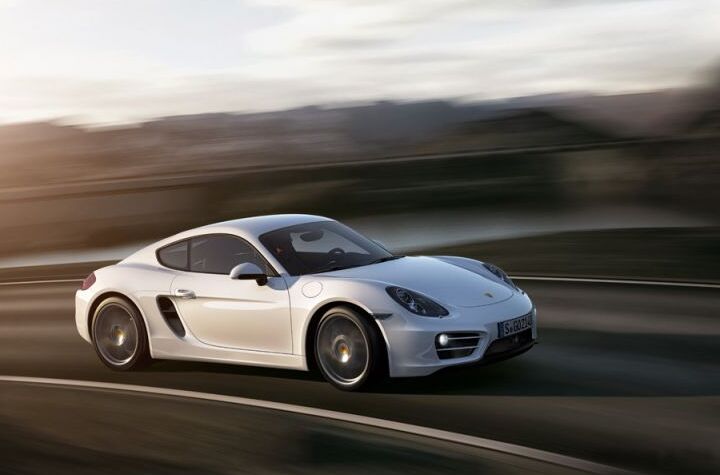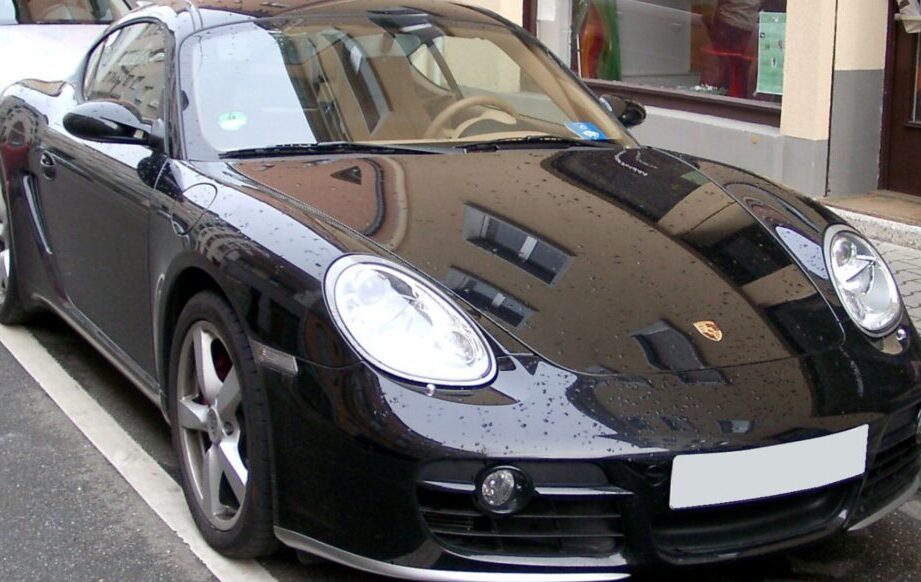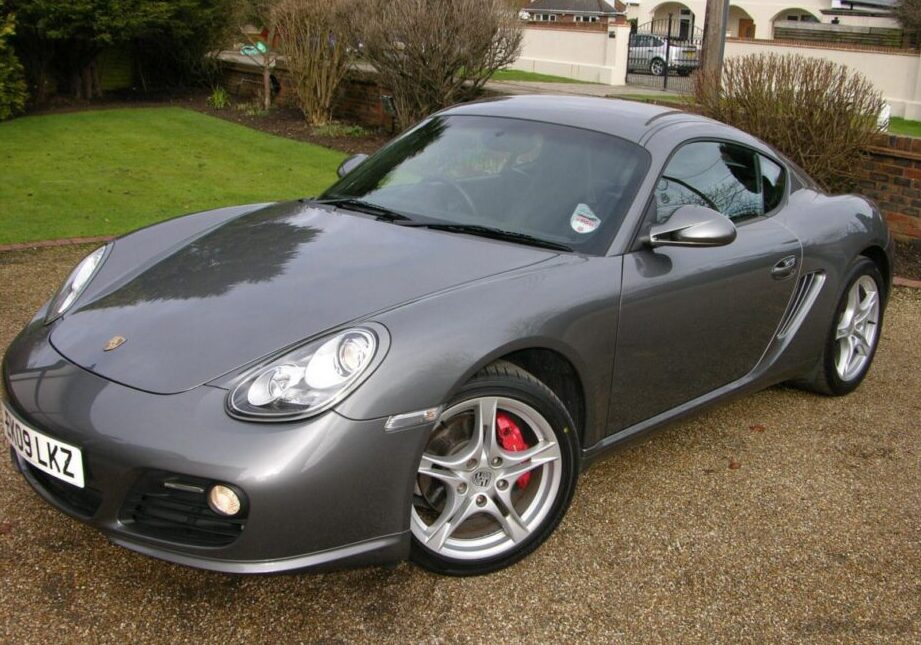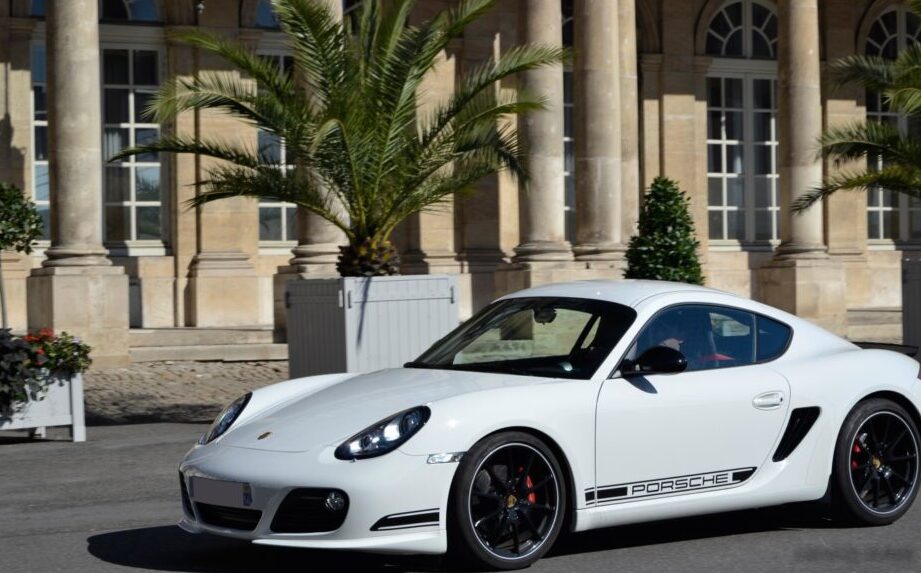
The Porsche Cayman R 3.4, equipped with the Porsche Doppelkupplung (PDK) dual-clutch transmission, represented a focused, high-performance iteration of the 987c generation Cayman. Introduced in February 2011 and produced through November 2012, it sat at the pinnacle of the 987.2 Cayman lineup, offering a more visceral driving experience than the standard Cayman or even the S model. This variant was specifically designed for enthusiasts prioritizing track capability and driver engagement, bridging the gap between the Cayman S and the more extreme 911 GT3. It was a mid-engine, rear-wheel-drive sports coupe intended to deliver a pure Porsche driving experience.
Technical Specifications
| Brand | Porsche |
| Model | Cayman |
| Generation | Cayman (987c, facelift 2009) |
| Type (Engine) | R 3.4 (330 Hp) PDK |
| Start of production | February, 2011 |
| End of production | November, 2012 |
| Powertrain Architecture | Internal Combustion engine |
| Body type | Coupe |
| Seats | 2 |
| Doors | 2 |
| Fuel consumption (economy) – urban (NEDC) | 14 l/100 km (16.8 US mpg, 20.2 UK mpg, 7.1 km/l) |
| Fuel consumption (economy) – extra urban (NEDC) | 6.6 l/100 km (35.6 US mpg, 42.8 UK mpg, 15.2 km/l) |
| Fuel consumption (economy) – combined (NEDC) | 9.3 l/100 km (25.3 US mpg, 30.4 UK mpg, 10.8 km/l) |
| CO2 emissions (NEDC) | 218 g/km |
| Fuel Type | Petrol (Gasoline) |
| Acceleration 0 – 100 km/h | 4.9 sec |
| Acceleration 0 – 62 mph | 4.9 sec |
| Acceleration 0 – 60 mph | 4.7 sec |
| Acceleration 0 – 200 km/h | 17 sec |
| Maximum speed | 280 km/h (173.98 mph) |
| Power | 330 Hp @ 7400 rpm |
| Torque | 370 Nm @ 4750 rpm (272.9 lb.-ft. @ 4750 rpm) |
| Maximum engine speed | 7500 rpm |
| Engine layout | Middle, Longitudinal |
| Engine Model/Code | MA1.21 |
| Engine displacement | 3436 cm3 (209.68 cu. in.) |
| Number of cylinders | 6 |
| Engine configuration | Boxer |
| Cylinder Bore | 97 mm (3.82 in.) |
| Piston Stroke | 77.5 mm (3.05 in.) |
| Compression ratio | 12.5:1 |
| Number of valves per cylinder | 4 |
| Fuel injection system | Direct injection |
| Engine aspiration | Naturally aspirated engine |
| Valvetrain | DOHC |
| Engine oil capacity | 7.5 l (7.93 US qt | 6.6 UK qt) |
| Coolant | 22 l (23.25 US qt | 19.36 UK qt) |
| Kerb Weight | 1320 kg (2910.1 lbs.) |
| Max. weight | 1645 kg (3626.6 lbs.) |
| Max load | 325 kg (716.5 lbs.) |
| Trunk (boot) space – minimum | 260 l (9.18 cu. ft.) |
| Fuel tank capacity | 54 l (14.27 US gal | 11.88 UK gal) |
| Max. roof load | 60 kg (132.28 lbs.) |
| Length | 4347 mm (171.14 in.) |
| Width | 1801 mm (70.91 in.) |
| Width including mirrors | 1978 mm (77.87 in.) |
| Height | 1285 mm (50.59 in.) |
| Wheelbase | 2415 mm (95.08 in.) |
| Front track | 1490 mm (58.66 in.) |
| Rear (Back) track | 1530 mm (60.24 in.) |
| Ride height (ground clearance) | 103 mm (4.06 in.) |
| Drag coefficient (Cd) | 0.30 |
| Minimum turning circle (turning diameter) | 11.1 m (36.42 ft.) |
| Drivetrain Architecture | Rear wheel drive |
| Drive wheel | Rear wheel drive |
| Number of gears and type of gearbox | 7 gears, automatic transmission |
| Front suspension | Independent type McPherson |
| Rear suspension | McPherson |
| Front brakes | Ventilated discs, 318×28 mm |
| Rear brakes | Ventilated discs, 299×24 mm |
| Assisting systems | ABS (Anti-lock braking system) |
| Steering type | Steering rack and pinion |
| Power steering | Hydraulic Steering |
| Tires size | Front wheel tires: 235/35 ZR 19 Rear wheel tires: 265/35 ZR 19 |
| Wheel rims size | Front wheel rims: 8.5 J x 19 Rear wheel rims: 10 J x 19 |
Powertrain & Engine Architecture
The heart of the Cayman R 3.4 is the MA1.21 engine, a 3.4-liter naturally aspirated flat-six. This engine is a direct descendant of the powerplant found in the 997.2 generation Porsche 911 Carrera and Carrera S. It features direct fuel injection (DFI), a variable valve timing system (VVT), and an integrated dry-sump lubrication system. The dry-sump design is crucial for maintaining oil supply during aggressive cornering, a hallmark of Porsche engineering. The engine produces 330 horsepower at 7,400 rpm and 273 lb-ft of torque at 4,750 rpm. The PDK transmission is a seven-speed dual-clutch unit, offering incredibly fast and precise shifts. It features both automatic and manual shifting modes, with paddle shifters mounted on the steering wheel for driver control. The PDK in the Cayman R 3.4 is tuned for performance, with quicker shift times and a more aggressive shift strategy compared to the standard Cayman.
Driving Characteristics
The Cayman R 3.4 with PDK delivers a thrilling driving experience. The combination of the high-revving engine and the rapid-fire PDK transmission results in impressive acceleration – 0 to 60 mph in approximately 4.7 seconds. The gear ratios are optimized for both track performance and everyday usability. While the manual transmission version of the Cayman R is often lauded for its purity, the PDK offers a different kind of engagement. It allows the driver to focus on steering and braking while still enjoying incredibly quick shifts. The car feels balanced and responsive, with precise steering and excellent grip. Compared to the standard Cayman or even the Cayman S, the R model benefits from a stiffer suspension and a more focused chassis setup, resulting in reduced body roll and improved handling.
Equipment & Trim Levels
The Cayman R 3.4 was relatively sparsely equipped compared to other Cayman variants, reflecting its focus on performance. Standard features included sport seats, a sport steering wheel, and a limited-slip differential. The interior featured aluminum trim and unique “R” badging. Options included carbon fiber interior trim, a sport exhaust system, and Porsche’s Communication Management (PCM) system with navigation. The exterior was distinguished by its fixed rear spoiler, unique front and rear fascias, and lightweight alloy wheels. The overall aesthetic was purposeful and understated, emphasizing function over form.
Chassis & Braking
The Cayman R 3.4 features a fully independent suspension with McPherson struts at both the front and rear. The suspension is tuned for a firmer ride and improved handling. The car is equipped with ventilated disc brakes at all four corners, providing ample stopping power. The braking system is enhanced by ABS (Anti-lock Braking System) and Porsche Stability Management (PSM). The R model also benefits from a slightly wider track than the standard Cayman, further enhancing its stability and grip. The lightweight construction, including the use of aluminum components, contributes to the car’s overall agility.
Market Reception & Comparison
The Cayman R 3.4 was generally well-received by automotive critics. It was praised for its engaging driving dynamics, responsive engine, and precise handling. Some critics noted that the ride was firm, making it less comfortable for everyday use. Compared to the Cayman S with a manual transmission, the R model offered a more focused and track-oriented experience. The PDK transmission provided quicker acceleration and more consistent performance, but some purists preferred the feel of a manual gearbox. Fuel economy was reasonable for a high-performance sports car, averaging around 25.3 mpg combined.
Legacy
The Cayman R 3.4 remains a highly sought-after model among Porsche enthusiasts. The MA1.21 engine is known for its reliability, provided it is properly maintained. The PDK transmission is also generally reliable, although regular fluid changes are essential. On the used car market, Cayman R 3.4 models command a premium over standard Caymans due to their limited production numbers and focused performance. They are often seen as a compelling alternative to the 911, offering a similar level of driving enjoyment at a lower price point. The Cayman R 3.4 represents a high point in the 987 generation Cayman’s development, showcasing Porsche’s commitment to building engaging and rewarding sports cars.