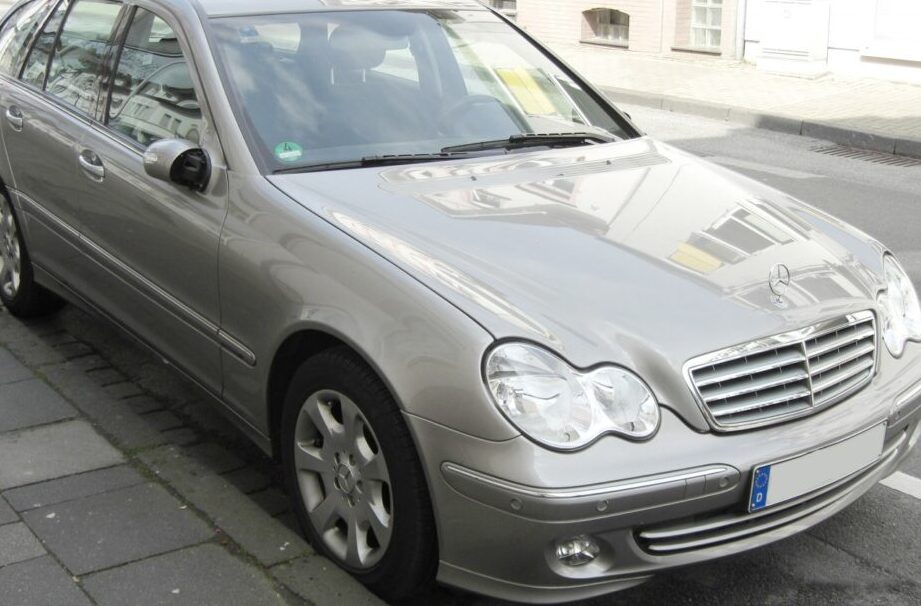
The Mercedes-Benz C-Class T-modell (S203) facelift, specifically the C 240 V6 variant with an automatic transmission, was produced from April 2004 to May 2005. This model represented a mid-cycle refresh of the second-generation C-Class estate (wagon), designated S203, and aimed to enhance the vehicle’s appeal with updated styling, improved features, and refined powertrains. The C 240 V6 Automatic occupied a mid-range position within the T-modell lineup, offering a balance between performance, comfort, and practicality for buyers seeking a premium wagon experience. It served primarily as a European market vehicle, offering a more versatile alternative to the C-Class sedan.
Technical Specifications
| Brand | Mercedes-Benz |
| Model | C-Class |
| Generation | C-Class T-modell (S203, facelift 2004) |
| Type (Engine) | C 240 V6 (170 Hp) Automatic |
| Start of production | April, 2004 |
| End of production | May, 2005 |
| Powertrain Architecture | Internal Combustion engine |
| Body type | Station wagon (estate) |
| Seats | 5 |
| Doors | 5 |
| Fuel consumption (urban) | 14.6 l/100 km (16.1 US mpg, 19.3 UK mpg) |
| Fuel consumption (extra urban) | 8 l/100 km (29.4 US mpg, 35.3 UK mpg) |
| Fuel consumption (combined) | 10.4 l/100 km (22.6 US mpg, 27.2 UK mpg) |
| CO2 emissions | 250 g/km |
| Fuel Type | Petrol (Gasoline) |
| Acceleration 0 – 100 km/h | 9.9 sec |
| Acceleration 0 – 62 mph | 9.9 sec |
| Acceleration 0 – 60 mph | 9.4 sec |
| Maximum speed | 226 km/h (140.43 mph) |
| Emission standard | Euro 4 |
| Weight-to-power ratio | 8.9 kg/Hp |
| Weight-to-torque ratio | 6.3 kg/Nm |
| Power | 170 Hp @ 5500 rpm |
| Torque | 240 Nm @ 4500 rpm (177.01 lb.-ft. @ 4500 rpm) |
| Engine layout | Front, Longitudinal |
| Engine Model/Code | M 112.912 |
| Engine displacement | 2597 cm3 (158.48 cu. in.) |
| Number of cylinders | 6 |
| Engine configuration | V-engine |
| Cylinder Bore | 89.9 mm (3.54 in.) |
| Piston Stroke | 68.2 mm (2.69 in.) |
| Compression ratio | 10.5:1 |
| Number of valves per cylinder | 3 |
| Fuel injection system | Multi-port manifold injection |
| Engine aspiration | Naturally aspirated |
| Valvetrain | SOHC |
| Engine oil capacity | 8 l (8.45 US qt | 7.04 UK qt) |
| Coolant capacity | 10.5 l (11.1 US qt | 9.24 UK qt) |
| Kerb Weight | 1510 kg (3328.98 lbs.) |
| Max. weight | 2110 kg (4651.75 lbs.) |
| Max load | 600 kg (1322.77 lbs.) |
| Trunk (boot) space – minimum | 470 l (16.6 cu. ft.) |
| Trunk (boot) space – maximum | 1384 l (48.88 cu. ft.) |
| Fuel tank capacity | 62 l (16.38 US gal | 13.64 UK gal) |
| Max. roof load | 100 kg (220.46 lbs.) |
| Permitted trailer load (braked) | 1500 kg (3306.93 lbs.) |
| Permitted trailer load (unbraked) | 750 kg (1653.47 lbs.) |
| Length | 4541 mm (178.78 in.) |
| Width | 1728 mm (68.03 in.) |
| Width (with mirrors) | 1980 mm (77.95 in.) |
| Height | 1466 mm (57.72 in.) |
| Wheelbase | 2715 mm (106.89 in.) |
| Front track | 1493 mm (58.78 in.) |
| Rear track | 1464 mm (57.64 in.) |
| Front overhang | 755 mm (29.72 in.) |
| Rear overhang | 1071 mm (42.17 in.) |
| Drag coefficient (Cd) | 0.31 |
| Turning circle | 10.76 m (35.3 ft.) |
| Drivetrain | Rear wheel drive |
| Gearbox | 5 gears, automatic transmission |
| Front suspension | Independent McPherson, Transverse stabilizer |
| Rear suspension | Independent multi-link, Transverse stabilizer |
| Front brakes | Ventilated discs |
| Rear brakes | Discs |
| Safety systems | ABS |
| Steering | Rack and pinion, Hydraulic power steering |
| Tires | 205/55 R 16 V |
| Wheel rims | 7 J x 16 H 2 |
Powertrain & Engine Architecture
The C 240 V6 was powered by the M112.912 engine, a 2.6-liter naturally aspirated V6. This engine was a cornerstone of Mercedes-Benz’s mid-range offerings during the early 2000s. It featured a 60-degree V-angle, three valves per cylinder (two intake, one exhaust), and a single overhead camshaft (SOHC) design. The M112 engine family was known for its smooth operation and relatively high specific output. Fuel delivery was handled by a multi-port fuel injection system, ensuring precise fuel metering for optimal combustion. The engine produced 170 horsepower at 5500 rpm and 240 Nm (177 lb-ft) of torque at 4500 rpm. The engine was longitudinally mounted in the front of the vehicle, driving the rear wheels. The automatic transmission used was a 5-speed unit, providing smooth and convenient gear changes. This transmission was designed to balance fuel efficiency with responsive performance.
Driving Characteristics
The C 240 V6 Automatic offered a comfortable and refined driving experience. While not overtly sporty, the V6 engine provided adequate power for everyday driving and highway cruising. Acceleration from 0 to 60 mph took approximately 9.4 seconds, and the top speed was electronically limited to 140 mph. The automatic transmission, while smooth, did exhibit some of the typical characteristics of older automatic gearboxes – a slight delay in response and a tendency to hunt for gears in certain situations. Compared to the manual transmission versions of the C 240, the automatic offered less driver engagement but greater ease of use. It also lagged behind the more powerful C 320 or AMG variants in terms of outright performance. The gear ratios were tuned for a balance of fuel economy and drivability, prioritizing smooth cruising over aggressive acceleration.
Equipment & Trim Levels
The C 240 V6 Automatic typically came equipped with a respectable level of standard features. These included automatic climate control, power windows and mirrors, a multi-function steering wheel, and a basic audio system. Upholstery was usually a cloth or leatherette combination, with full leather available as an option. Optional extras included a premium sound system, sunroof, navigation system, and heated seats. The facelifted S203 models also benefited from subtle interior revisions, including updated switchgear and improved materials. The overall interior ambiance was one of understated luxury, typical of Mercedes-Benz.
Chassis & Braking
The C 240 V6 T-modell featured an independent suspension system at all four wheels. The front suspension utilized McPherson struts with a transverse stabilizer bar, while the rear employed a multi-link setup, also with a stabilizer bar. This configuration provided a good balance of ride comfort and handling stability. Braking duties were handled by ventilated discs at the front and solid discs at the rear. Anti-lock Braking System (ABS) was standard, enhancing safety during emergency braking situations. The steering was a rack-and-pinion system with hydraulic power assistance, offering precise and responsive steering feel.
Market Reception & Comparison
The C 240 V6 Automatic was generally well-received by automotive critics as a practical and comfortable estate car. However, some reviewers noted that the engine, while smooth, lacked the outright punch of some of its competitors. Fuel economy was considered average for its class, and the automatic transmission was sometimes criticized for its lack of responsiveness. Compared to the C 220 CDI diesel variant, the C 240 V6 offered more power but significantly lower fuel economy. Against the more powerful C 320, it represented a more affordable entry point into the C-Class range, albeit with a performance compromise.
Legacy
The M112 engine family, including the 2.6-liter V6 found in the C 240, has proven to be relatively reliable over the long term, provided it receives regular maintenance. Common issues include oil leaks and occasional problems with the electronic ignition system. The 5-speed automatic transmission is also generally durable, but can be prone to wear and tear with high mileage. Today, the C 240 V6 T-modell is a relatively affordable used car option, appealing to buyers seeking a practical and comfortable estate car with a touch of Mercedes-Benz prestige. Its combination of space, comfort, and reliability makes it a viable alternative to more modern rivals.