Technical Specifications
| Brand | FSO |
| Model | Polonez |
| Generation | Polonez II |
| Type (Engine) | 1.9 D (69 Hp) |
| Start of Production | 1988 |
| End of Production | 1992 |
| Powertrain Architecture | Internal Combustion Engine |
| Body Type | Hatchback |
| Fuel Type | Diesel |
| Power | 69 Hp |
| Engine Aspiration | Naturally Aspirated |
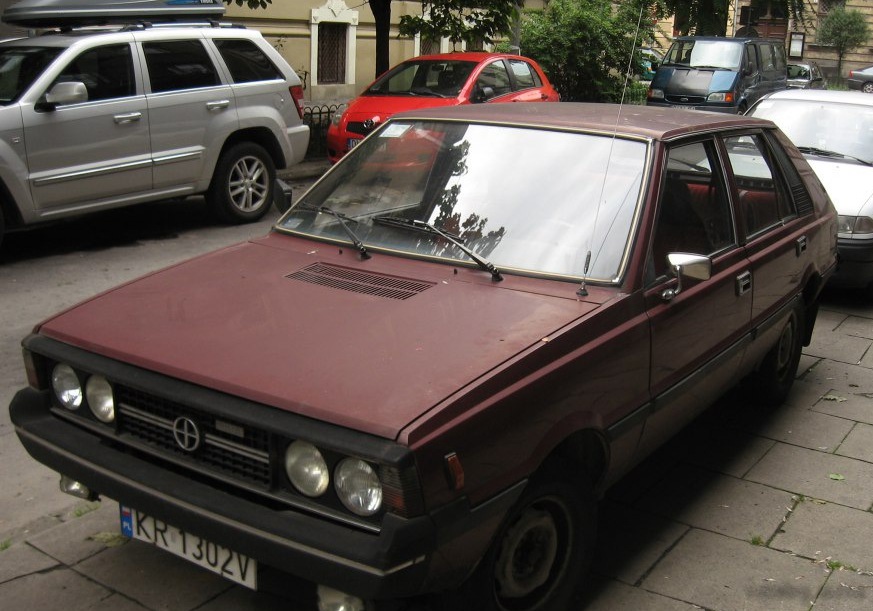
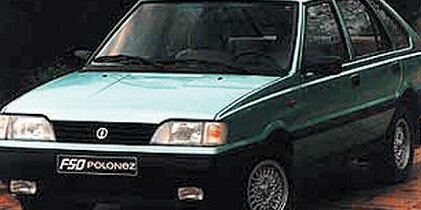
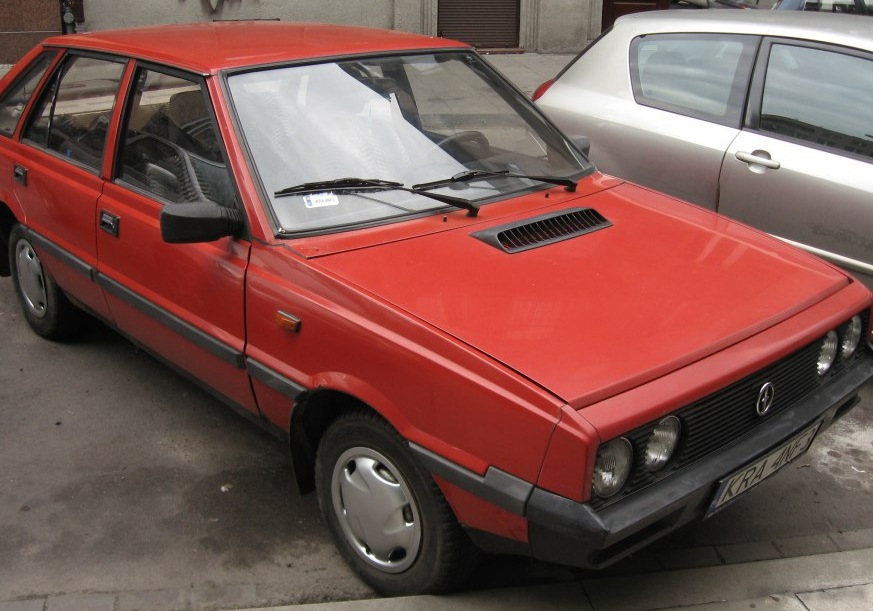
The FSO Polonez II 1.9 D, produced between 1988 and 1992, represents a significant, though often overlooked, chapter in the history of Polish automotive manufacturing. As a diesel-powered variant of the Polonez II, it aimed to provide a more fuel-efficient option within the lineup, particularly appealing to buyers prioritizing economy over outright performance. The Polonez II itself was a modernization of the original Polonez, based on the Fiat 124 platform, and continued FSO’s (Fabryka Samochodów Osobowych – Personal Automobile Factory) legacy of producing affordable, practical vehicles for the Polish market and, to a lesser extent, export. This 1.9 D model occupied a specific niche, positioned as a workhorse variant for those needing a reliable and economical vehicle, often used for commercial purposes or by individuals covering long distances.
Powertrain & Engine Architecture
The heart of the Polonez II 1.9 D is a 1.9-liter, naturally aspirated diesel engine. This engine, while relatively simple in design, was a crucial element in extending the Polonez’s appeal to a wider audience. It’s a four-cylinder, indirect injection diesel, utilizing a Bosch fuel injection system. The indirect injection system, common for diesels of this era, involved injecting fuel into a pre-chamber before it entered the main combustion chamber, promoting more complete combustion and reducing noise compared to direct injection systems. The engine’s valvetrain consists of a single overhead camshaft operating two valves per cylinder. The engine’s output of 69 horsepower at around 4,200 rpm, and approximately 107 lb-ft of torque, wasn’t substantial, but it was sufficient for the Polonez’s intended purpose. The Polonez II 1.9 D was typically paired with a four-speed manual transmission, although a five-speed manual was available as an option. An automatic transmission was not offered with this engine. The engine’s durability was a key selling point, designed for operation with the often-substandard fuel quality available in Poland at the time.
Driving Characteristics
The driving experience of the Polonez II 1.9 D was defined by its practicality rather than performance. Acceleration was modest, with a 0-60 mph time estimated to be well over 15 seconds. The engine’s torque, however, provided reasonable pulling power at lower speeds, making it suitable for carrying loads or navigating hilly terrain. The four-speed gearbox, while adequate, lacked the refinement of more modern transmissions. Gear ratios were spaced to prioritize fuel economy and usability over spirited driving. Compared to the gasoline-powered Polonez variants, the 1.9 D offered significantly better fuel economy – typically around 45-50 mpg – but at the cost of performance. The diesel engine also produced a characteristic level of noise and vibration, which was typical for diesel engines of the late 1980s and early 1990s. Compared to the more powerful (though less economical) 1.6-liter gasoline engine, the 1.9 D was noticeably slower, but its lower running costs made it an attractive option for budget-conscious buyers. The relatively high gear ratios meant the engine was often working hard, especially at highway speeds, but contributed to the impressive fuel economy.
Equipment & Trim Levels
The Polonez II 1.9 D was generally offered in a relatively basic trim level, reflecting its positioning as an economical vehicle. Standard equipment typically included cloth upholstery, a simple dashboard layout with basic instrumentation, and manual windows and door locks. Heating and ventilation were standard, but air conditioning was rarely fitted, even as an option. The interior was functional and durable, designed to withstand the rigors of daily use. Optional extras were limited, but could include a radio, upgraded seat fabrics, and occasionally, a sunroof. The exterior trim was also fairly basic, with black plastic bumpers and relatively simple steel wheels. Higher trim levels of the Polonez II, such as the Caro, offered more luxurious appointments, but these were not typically available with the 1.9 D engine. The focus was on providing a robust and reliable vehicle at the lowest possible cost.
Chassis & Braking
The Polonez II utilized a relatively conventional chassis design, based on the Fiat 124 platform. It featured a rear-wheel-drive layout with a separate chassis and body construction. The front suspension consisted of independent double wishbones, while the rear suspension employed a live axle with leaf springs. The braking system was typically comprised of disc brakes at the front and drum brakes at the rear. Steering was by a recirculating ball system, which provided a relatively heavy but direct feel. Stabilizer bars were often omitted on the base 1.9 D models to keep costs down, resulting in a slightly more pronounced body roll during cornering. The suspension setup prioritized ride comfort over handling precision, reflecting the Polonez’s intended role as a practical family car. The robust chassis was well-suited to the often-poor road conditions prevalent in Poland.
Market Reception & Comparison
The Polonez II 1.9 D was generally well-received in Poland as a practical and affordable vehicle. Its fuel efficiency was a major selling point, particularly during a period of economic hardship. Critics acknowledged its simplicity and durability, but also noted its lack of refinement and relatively low performance. Compared to other vehicles available in the Polish market at the time, such as the Skoda 120 or the Lada Samara, the Polonez II offered a more modern design and a more comfortable interior. However, it faced competition from imported used cars, particularly from Western Europe, which often offered more advanced features and better performance. The 1.9 D variant was often compared to the gasoline-powered Polonez models. While the gasoline engines offered more power, the diesel engine provided significantly better fuel economy, making it a popular choice for those covering long distances or using the vehicle for commercial purposes. The diesel’s lower maintenance costs were also a significant factor for many buyers.
Legacy
The FSO Polonez II 1.9 D, while not a groundbreaking vehicle, played an important role in Polish automotive history. It provided affordable transportation for many Polish families during a period of economic transition. The 1.9-liter diesel engine proved to be relatively reliable and durable, and many examples remain on the road today, often maintained by enthusiasts. In the used car market, the Polonez II 1.9 D is valued for its simplicity, affordability, and relatively low running costs. It’s often sought after by collectors and enthusiasts who appreciate its historical significance and its unique character. While it may not offer the performance or refinement of more modern vehicles, the Polonez II 1.9 D remains a testament to Polish automotive engineering and a reminder of a bygone era. Its robust construction and simple mechanics make it relatively easy to maintain, contributing to its continued presence on Polish roads. The Polonez II 1.9 D represents a unique blend of Italian design and Polish practicality, a vehicle born out of necessity and enduring through its inherent reliability.