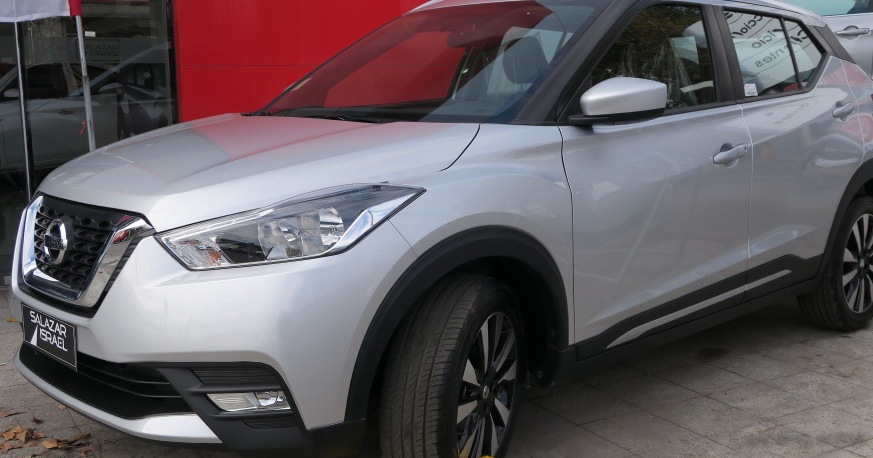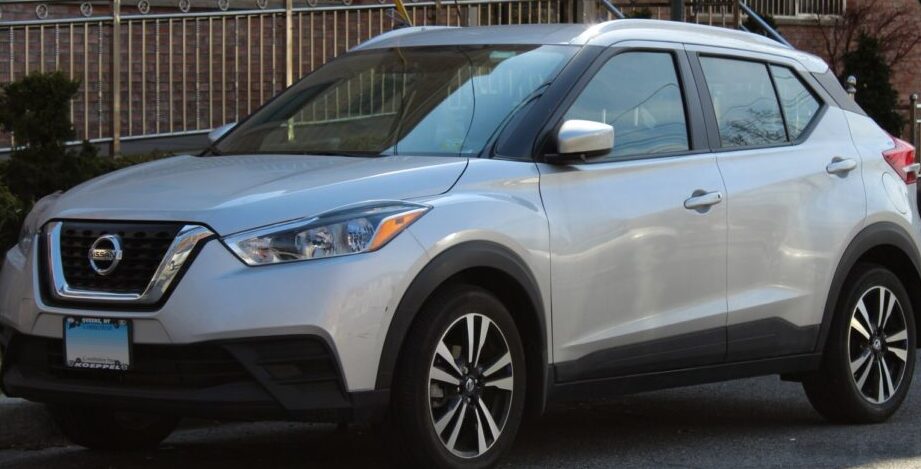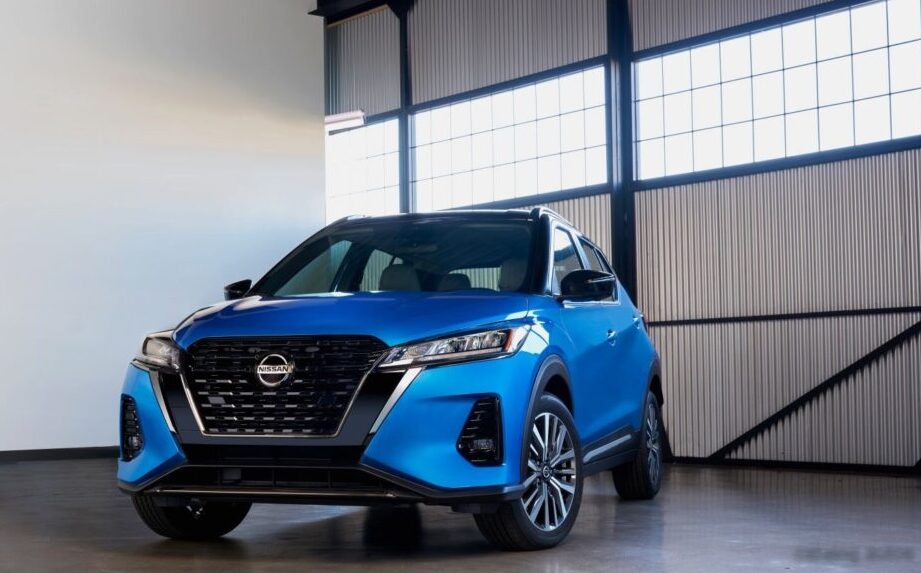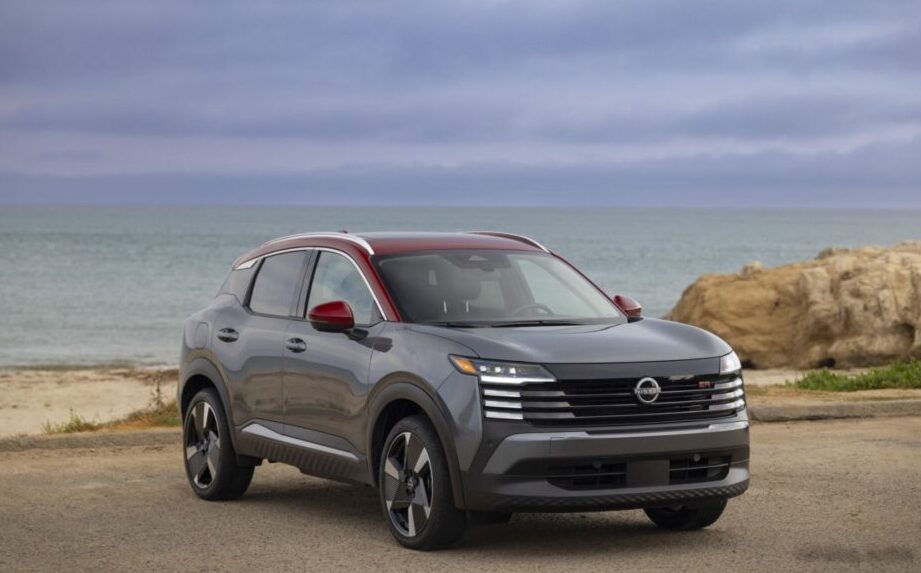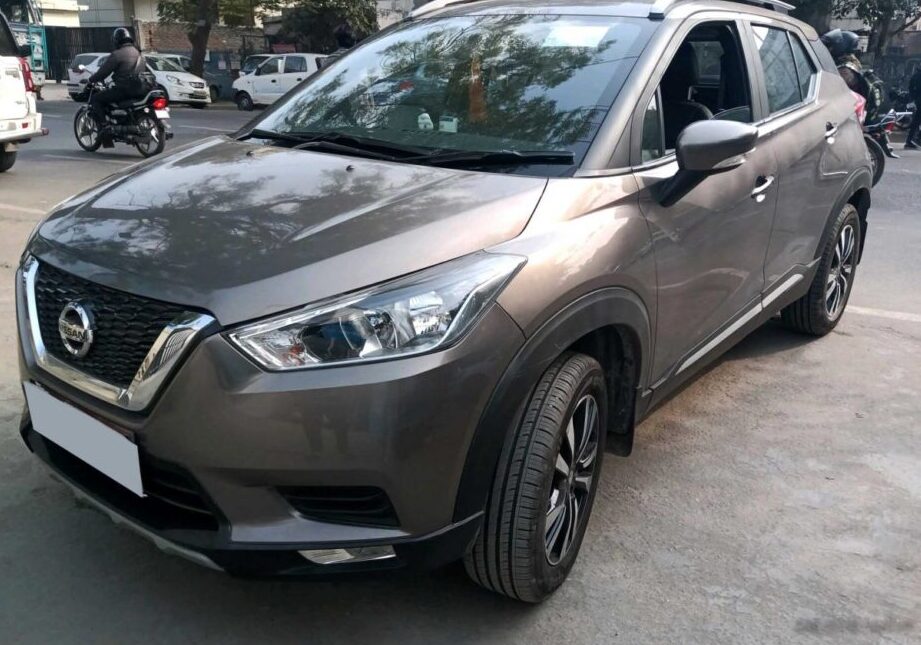
The Nissan Kicks (D15) 1.5 dCi, produced from 2019 to 2023, represented a diesel-powered option within the first generation of the Kicks subcompact SUV. Positioned primarily for European and other international markets where diesel fuel was prevalent, this variant offered a fuel-efficient alternative to the gasoline-powered Kicks models. The D15 Kicks falls within the broader context of Nissan’s efforts to provide affordable and practical transportation, competing with vehicles like the Renault Captur, Peugeot 2008, and Opel Crossland X. This specific 1.5 dCi 110 horsepower configuration aimed to balance economy with acceptable performance for urban and highway driving.
Technical Specifications
| Brand | Nissan |
| Model | Kicks |
| Generation | Kicks (D15) |
| Type (Engine) | 1.5 dCi (110 Hp) |
| Start of production | 2019 |
| End of production | 2023 |
| Powertrain Architecture | Internal Combustion engine |
| Body type | SUV |
| Seats | 5 |
| Doors | 5 |
| Fuel consumption (combined) | 4.9-5.2 l/100 km (48 – 45.2 US mpg, 57.6 – 54.3 UK mpg, 20.4 – 19.2 km/l) |
| Fuel Type | Diesel |
| Power | 110 Hp @ 3850 rpm |
| Power per litre | 75.3 Hp/l |
| Torque | 240 Nm @ 1750 rpm (177.01 lb.-ft. @ 1750 rpm) |
| Engine layout | Front, Transverse |
| Engine Model/Code | K9K |
| Engine displacement | 1461 cm3 (89.16 cu. in.) |
| Number of cylinders | 4 |
| Engine configuration | Inline |
| Number of valves per cylinder | 4 |
| Fuel injection system | Diesel Commonrail |
| Engine aspiration | Turbocharger, Intercooler |
| Trunk (boot) space (minimum) | 400 l (14.13 cu. ft.) |
| Fuel tank capacity | 50 l (13.21 US gal | 11 UK gal) |
| Length | 4384 mm (172.6 in.) |
| Width | 1813 mm (71.38 in.) |
| Height | 1651-1656 mm (65 – 65.2 in.) |
| Wheelbase | 2673 mm (105.24 in.) |
| Ride height (ground clearance) | 210 mm (8.27 in.) |
| Minimum turning circle | 10.4 m (34.12 ft.) |
| Drivetrain Architecture | Front wheel drive |
| Number of gears and type of gearbox | 6 gears, manual transmission |
| Front suspension | Independent, type McPherson with coil spring and anti-roll bar |
| Rear suspension | Torsion |
| Front brakes | Disc |
| Rear brakes | Drum |
| Assisting systems | ABS (Anti-lock braking system) |
| Steering type | Steering rack and pinion |
| Power steering | Electric Steering |
| Tires size | 215/65 R16; 215/60 R17 |
| Wheel rims size | 16; 17 |
Powertrain & Engine Architecture
The heart of the Kicks 1.5 dCi is the K9K engine, a 1.5-liter inline-four cylinder diesel engine. This engine is a member of Nissan’s well-established K-series engine family, and has been used in various Renault-Nissan Alliance vehicles. The K9K utilizes a common rail direct injection system, delivering fuel directly into the combustion chamber at extremely high pressure for improved efficiency and reduced emissions. A turbocharger with an intercooler is employed to boost power output and enhance torque across a wider RPM range. The engine features four valves per cylinder, contributing to improved breathing and overall performance. The 6-speed manual transmission was the sole gearbox option for this variant, chosen for its efficiency and cost-effectiveness. The transmission’s gear ratios were tuned to maximize fuel economy while providing adequate acceleration for everyday driving.
Driving Characteristics
The 110 horsepower and 240 Nm (177 lb-ft) of torque provided by the K9K engine delivered adequate, though not exhilarating, performance in the Kicks. Acceleration from 0 to 60 mph was estimated to be around 11-12 seconds. The engine’s peak torque, available from 1750 rpm, provided good low-end grunt, making it suitable for navigating city streets and overtaking slower traffic. Compared to higher-output gasoline versions of the Kicks, the 1.5 dCi felt less responsive at higher engine speeds. The manual transmission offered precise shifts, but the gear ratios were geared towards economy rather than sporty driving. The overall driving experience was characterized by its smoothness and refinement, typical of modern diesel engines.
Equipment & Trim Levels
The Kicks 1.5 dCi was typically offered in mid-range trim levels, often designated as ‘Visia’, ‘Acenta’, or similar depending on the specific market. Standard equipment generally included air conditioning, power windows, central locking, a basic audio system with Bluetooth connectivity, and safety features like ABS, airbags, and stability control. Higher trim levels added features such as alloy wheels, a touchscreen infotainment system with navigation, rear parking sensors, and automatic climate control. Interior upholstery was typically cloth, with options for upgraded materials in higher trims. The dashboard layout was functional and straightforward, prioritizing ease of use over luxurious aesthetics.
Chassis & Braking
The Kicks D15 utilized a front-wheel-drive configuration with an independent McPherson strut suspension at the front and a torsion beam suspension at the rear. This setup provided a comfortable ride quality, absorbing bumps and imperfections in the road surface effectively. The front brakes were disc brakes, offering good stopping power, while the rear brakes were drum brakes, a cost-saving measure common in this segment. Electric power steering provided light and precise steering feel, making it easy to maneuver in tight spaces. The vehicle’s relatively low weight, thanks to the efficient diesel engine and compact dimensions, contributed to its nimble handling characteristics.
Market Reception & Comparison
The Nissan Kicks 1.5 dCi was generally well-received in markets where diesel fuel was affordable and readily available. Critics praised its fuel efficiency, comfortable ride, and practical interior space. However, some reviewers noted that the engine lacked the refinement and power of some of its competitors. Compared to the gasoline-powered Kicks, the 1.5 dCi offered significantly better fuel economy, but at the cost of some performance. Against rivals like the Renault Captur dCi, the Kicks offered a competitive package in terms of price, features, and running costs. The drum brakes on the rear were a point of criticism compared to some competitors offering all-round disc brakes.
Legacy
The K9K engine has proven to be a durable and reliable powerplant, and the Kicks 1.5 dCi is generally considered a dependable vehicle. On the used car market, these models are often sought after by buyers looking for a fuel-efficient and affordable SUV. However, potential buyers should be aware of the potential maintenance costs associated with diesel engines, such as diesel particulate filter (DPF) maintenance and potential issues with the fuel injection system. Despite these considerations, the Kicks 1.5 dCi remains a viable option for those seeking a practical and economical subcompact SUV.