
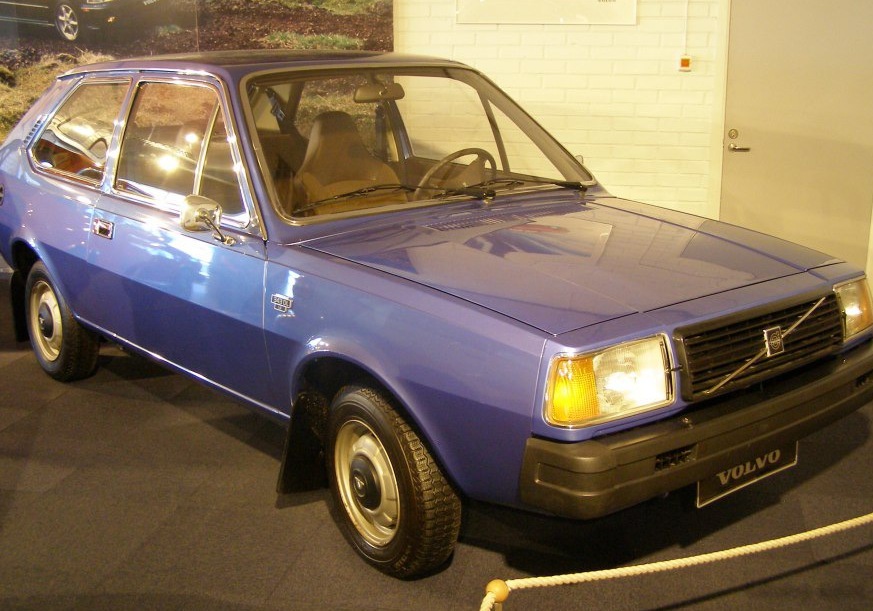
The Volvo 340 and 360 series, specifically the 343 and 345 models equipped with the 1.4-liter (68 horsepower) engine, represented Volvo’s entry-level offering during the mid-to-late 1980s. Produced from 1986 to 1988 in this configuration, these vehicles were designed as a practical and economical alternative to larger, more expensive Volvos. They were a significant departure for the Swedish automaker, being the first front-wheel-drive models in Volvo’s history. The 340/360 series aimed to broaden Volvo’s appeal, particularly in European markets where smaller, fuel-efficient cars were in high demand. This variant, with its modest power output, was primarily targeted at buyers prioritizing affordability and reliability over outright performance.
Technical Specifications
| Brand | Volvo |
| Model | 340-360 (343, 345) |
| Generation | 340-360 (343, 345) |
| Type (Engine) | 1.4 (68 Hp) |
| Start of Production | 1986 |
| End of Production | 1988 |
| Powertrain Architecture | Internal Combustion Engine |
| Body Type | Hatchback |
| Fuel Type | Petrol (Gasoline) |
| Power | 68 Hp |
| Engine Model/Code | B14.4S |
| Engine Aspiration | Naturally Aspirated |
| Engine Oil Capacity | 4 l (4.23 US qt | 3.52 UK qt) |
| Coolant Capacity | 6.5 l (6.87 US qt | 5.72 UK qt) |
Powertrain & Engine Architecture
The heart of the 343/345 1.4 was the B14.4S engine, a 1.4-liter inline-four cylinder unit. This engine was a relatively simple design, featuring a single overhead camshaft (SOHC) operating two valves per cylinder. Fuel delivery was managed by a Bosch mechanical fuel injection system, a common setup for the time, offering a balance between cost and efficiency. The B14.4S produced 68 horsepower at approximately 6000 rpm and 88 lb-ft of torque at 3000 rpm. This engine was known for its durability and relatively straightforward maintenance. The transmission paired with this engine was typically a four-speed automatic, chosen for its ease of use and appeal to a broader range of drivers. While a five-speed manual transmission was available on other 340/360 models, it wasn’t commonly paired with the 1.4-liter engine, as the automatic was seen as a better match for its power characteristics.
Driving Characteristics
The 1.4-liter engine and automatic transmission combination in the Volvo 343/345 resulted in a driving experience focused on practicality rather than performance. Acceleration was modest, with 0-60 mph times estimated around 14-16 seconds. The automatic transmission featured relatively widely spaced gear ratios, prioritizing fuel economy over quick acceleration. The engine felt somewhat strained when pushed hard, particularly when attempting to overtake or climb hills. Compared to the more powerful 1.6-liter and 2.0-liter engines available in other 340/360 models, the 1.4 felt noticeably slower. However, the automatic transmission provided smooth and comfortable shifts, making it well-suited for city driving and commuting. The steering was light and easy, contributing to the car’s overall ease of use.
Equipment & Trim Levels
The 343/345 1.4 models were typically offered in a base trim level, focusing on essential features. Standard equipment generally included cloth upholstery, a basic AM/FM radio, and manual windows and door locks. Power steering was often an optional extra, as was air conditioning. Interior plastics were durable but relatively basic in appearance. The hatchback configuration provided a reasonable amount of cargo space, enhanced by the folding rear seats. Optional extras included a sunroof, upgraded audio systems, and metallic paint finishes. The overall interior design was functional and understated, reflecting Volvo’s reputation for practicality and safety.
Chassis & Braking
The Volvo 340/360 series utilized a MacPherson strut front suspension and a twist-beam rear suspension. This setup provided a comfortable ride, although handling was not particularly sporty. The 1.4-liter models typically featured drum brakes on the rear wheels and disc brakes on the front, a cost-saving measure compared to the all-disc brake setup found on higher-spec models. The braking system was adequate for the car’s performance, but lacked the stopping power of more modern vehicles. Stabilizer bars were fitted to both the front and rear axles, helping to reduce body roll during cornering. The chassis was relatively lightweight, contributing to the car’s fuel efficiency.
Market Reception & Comparison
The 340/360 1.4 models were generally well-received as affordable and reliable transportation. Critics praised the car’s fuel economy and durability, but noted its lack of performance. Compared to other entry-level cars of the time, such as the Ford Escort or Volkswagen Golf, the Volvo 343/345 offered a slightly more refined driving experience and a reputation for superior safety. However, it was generally more expensive to purchase and maintain than its competitors. The 1.4-liter engine offered better fuel economy than the larger engines in the 340/360 range, but at the expense of performance. Owners who prioritized fuel efficiency and low running costs often opted for this variant, while those seeking more power and driving enjoyment typically chose the 1.6 or 2.0-liter models.
Legacy
The Volvo 340/360 series, including the 1.4-liter variant, holds a unique place in Volvo’s history as the company’s first front-wheel-drive cars. While not known for their performance, these vehicles were praised for their reliability and durability. The B14.4S engine, while simple in design, proved to be a robust and long-lasting unit. Today, well-maintained examples of the 343/345 1.4 are becoming increasingly sought after by classic car enthusiasts. Parts availability can be a challenge, but the engine’s simplicity makes it relatively easy to repair. The 340/360 series represents a significant chapter in Volvo’s evolution, demonstrating the company’s willingness to embrace new technologies and expand its market reach. The 1.4-liter automatic version, while the least powerful in the lineup, remains a testament to Volvo’s commitment to building practical and dependable vehicles.
