Technical Specifications
| Brand | Porsche |
| Model | Panamera |
| Generation | Panamera (G1 II) |
| Type (Engine) | 3.6 V6 (310 Hp) PDK |
| Start of production | 2013 |
| End of production | 2016 |
| Powertrain Architecture | Internal Combustion engine |
| Body type | Liftback |
| Seats | 4 |
| Doors | 5 |
| Fuel consumption (economy) – urban | 11.2 l/100 km (21 US mpg, 25.2 UK mpg, 8.9 km/l) |
| Fuel consumption (economy) – extra urban | 6.8 l/100 km (34.6 US mpg, 41.5 UK mpg, 14.7 km/l) |
| Fuel consumption (economy) – combined | 8.4 l/100 km (28 US mpg, 33.6 UK mpg, 11.9 km/l) |
| CO2 emissions | 196 g/km |
| Fuel Type | Petrol (Gasoline) |
| Acceleration 0 – 100 km/h | 6.3 sec |
| Acceleration 0 – 62 mph | 6.3 sec |
| Acceleration 0 – 60 mph | 6 sec |
| Maximum speed | 259 km/h (160.94 mph) |
| Emission standard | Euro 5 |
| Weight-to-power ratio | 5.7 kg/Hp, 175.1 Hp/tonne |
| Weight-to-torque ratio | 4.4 kg/Nm, 226 Nm/tonne |
| Power | 310 Hp @ 6200 rpm |
| Power per litre | 86 Hp/l |
| Torque | 400 Nm @ 3750 rpm (295.02 lb.-ft. @ 3750 rpm) |
| Engine layout | Front, Longitudinal |
| Engine Model/Code | CWAA |
| Engine displacement | 3605 cm3 (219.99 cu. in.) |
| Number of cylinders | 6 |
| Engine configuration | V-engine |
| Cylinder Bore | 96 mm (3.78 in.) |
| Piston Stroke | 83 mm (3.27 in.) |
| Compression ratio | 12.5:1 |
| Number of valves per cylinder | 4 |
| Fuel injection system | Direct injection |
| Engine aspiration | Naturally aspirated engine |
| Engine oil capacity | 8.5 l (8.98 US qt | 7.48 UK qt) |
| Kerb Weight | 1770 kg (3902.18 lbs.) |
| Max. weight | 2380 kg (5247 lbs.) |
| Max load | 610 kg (1344.82 lbs.) |
| Trunk (boot) space – minimum | 445 l (15.72 cu. ft.) |
| Trunk (boot) space – maximum | 1263 l (44.6 cu. ft.) |
| Fuel tank capacity | 80 l (21.13 US gal | 17.6 UK gal) |
| Length | 5015 mm (197.44 in.) |
| Width | 1931 mm (76.02 in.) |
| Height | 1418 mm (55.83 in.) |
| Wheelbase | 2920 mm (114.96 in.) |
| Front track | 1658 mm (65.28 in.) |
| Rear (Back) track | 1662 mm (65.43 in.) |
| Drag coefficient (Cd) | 0.30 |
| Drivetrain Architecture | The Internal combustion engine (ICE) drives the rear wheels of the vehicle. |
| Drive wheel | Rear wheel drive |
| Number of gears and type of gearbox | 7 gears, automatic transmission PDK |
| Front suspension | Double wishbone |
| Rear suspension | Independent multi-link suspension |
| Front brakes | Ventilated discs |
| Rear brakes | Ventilated discs |
| Assisting systems | ABS (Anti-lock braking system) |
| Steering type | Steering rack and pinion |
| Tires size | Front wheel tires: 245/50 ZR18 Rear wheel tires: 275/45 ZR18 |
| Wheel rims size | Front wheel rims: 8J x 18 Rear wheel rims: 9J x 18 |
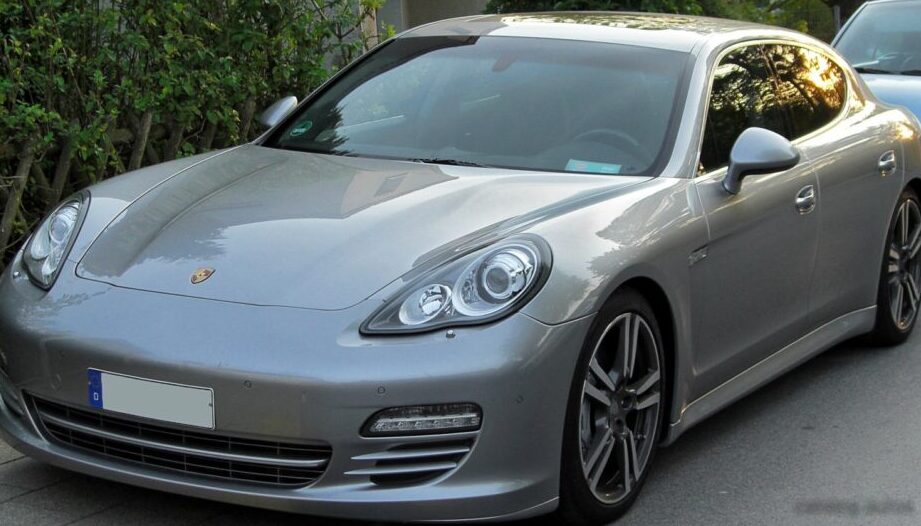
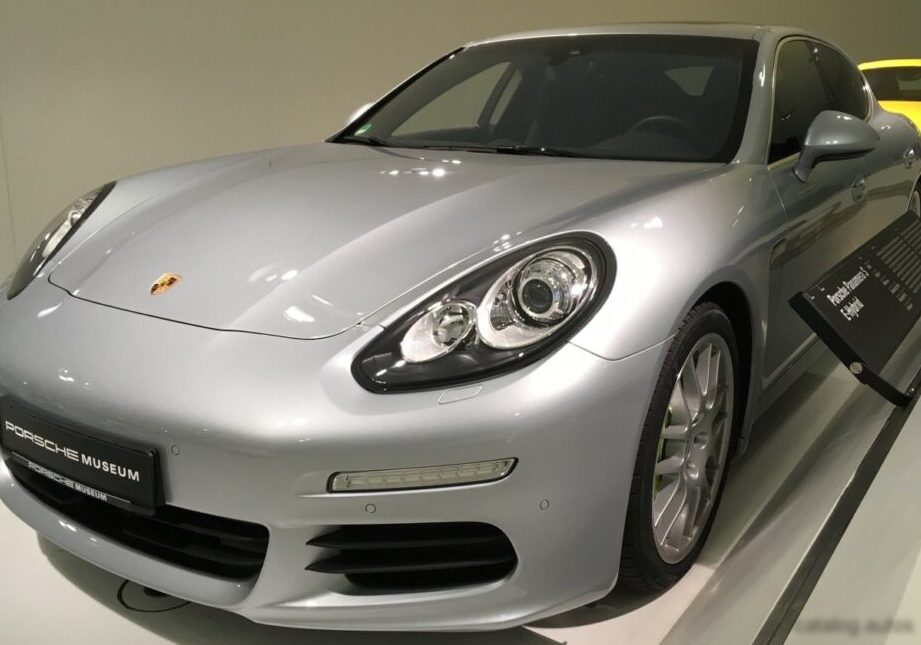
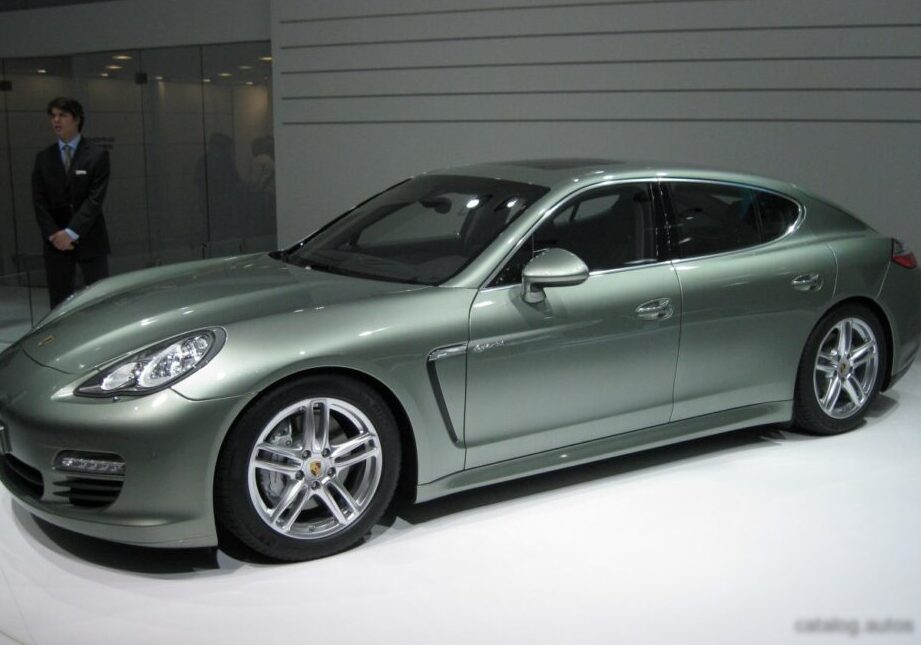
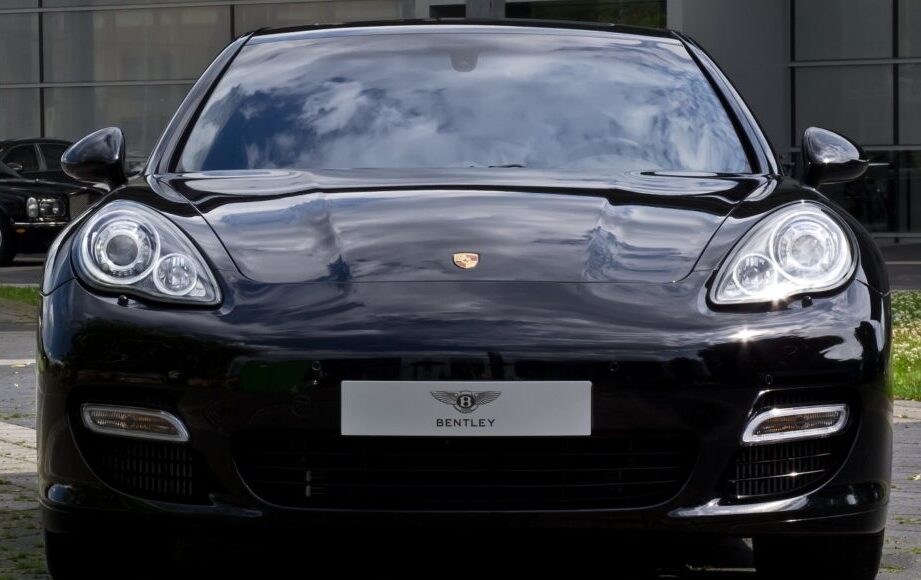
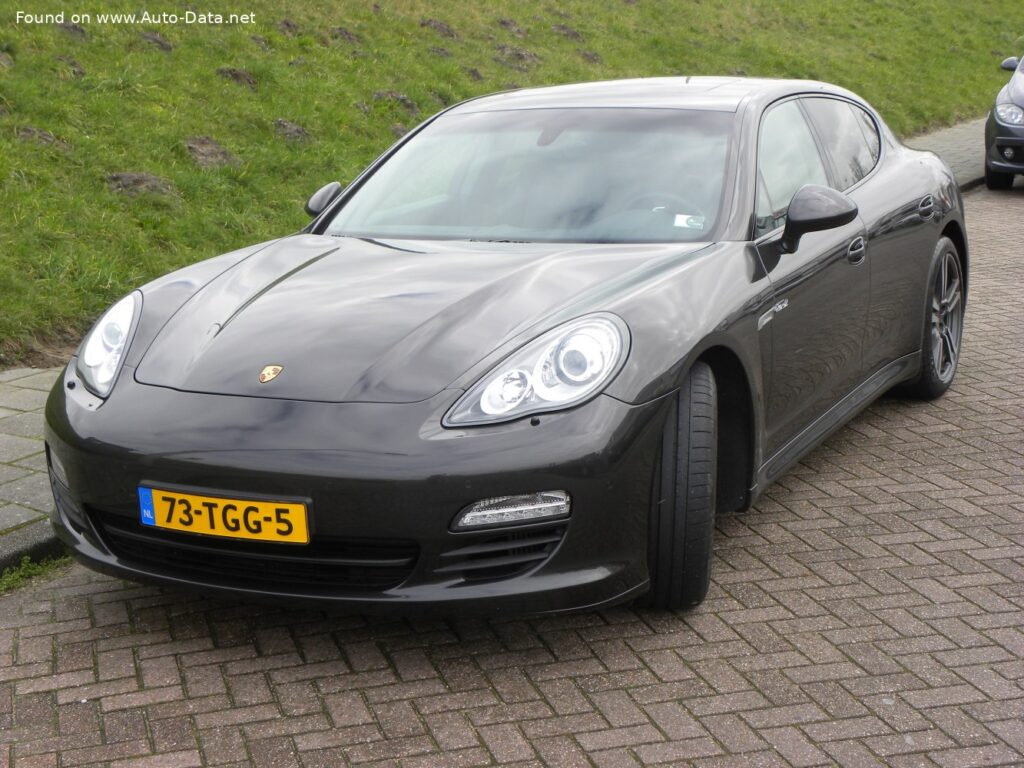
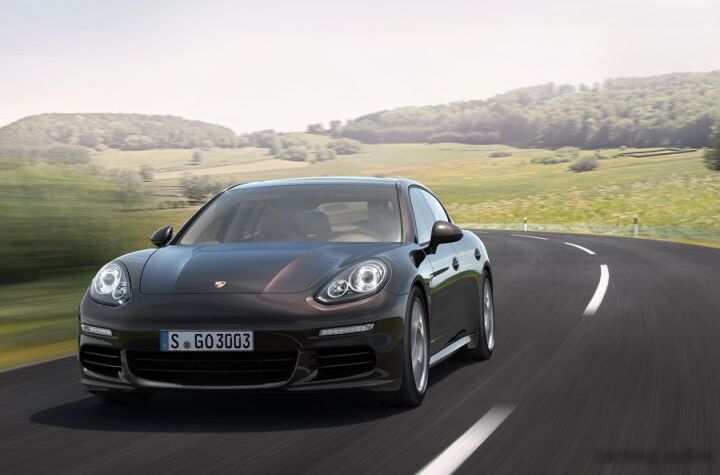
The Porsche Panamera (G1 II) 3.6 V6 (310 hp) PDK, produced between 2013 and 2016, represents a significant iteration of Porsche’s entry into the luxury four-door grand touring segment. Falling within the second generation (G1 II) of the Panamera, which debuted as a substantial refresh of the original G1, this variant aimed to broaden the Panamera’s appeal by offering a balance of performance, efficiency, and relative affordability within the model range. It occupied a mid-range position in the lineup, positioned below the more powerful V8 models and the hybrid variants, but delivering a more engaging driving experience than the base model. The G1 II Panamera benefitted from revised styling, enhanced interior appointments, and updated technology compared to its predecessor.
Powertrain & Engine Architecture
At the heart of the Panamera 3.6 V6 PDK lies the CWAA engine, a naturally aspirated 3.6-liter V6. This engine is a member of Porsche’s VR6 family, distinguished by its narrow V-angle (15 degrees) which allows for a more compact engine bay design compared to a traditional V6. The CWAA utilizes direct fuel injection (DFI) to enhance efficiency and power output. The DFI system injects fuel directly into the combustion chamber, allowing for more precise control of the air-fuel mixture. The engine also features four valves per cylinder, contributing to improved breathing and overall performance. The 310 horsepower and 400 Nm (295 lb-ft) of torque are respectable figures, providing adequate power for both comfortable cruising and spirited driving. Paired with this engine is Porsche’s seven-speed PDK (Porsche Doppelkupplung) dual-clutch transmission. The PDK offers incredibly fast and smooth gear changes, contributing significantly to the car’s performance and driving experience. Unlike a traditional automatic transmission, the PDK utilizes two separate clutches, one for even-numbered gears and one for odd-numbered gears, allowing for pre-selection of the next gear and virtually seamless shifts.
Driving Characteristics
The 3.6 V6 PDK Panamera delivers a refined and capable driving experience. While not as brutally fast as the V8 models, it provides ample power for everyday driving and confident highway passing. The PDK transmission plays a crucial role in maximizing the engine’s output, providing quick and precise shifts. The gear ratios are tuned to balance acceleration and fuel efficiency. Compared to the manual transmission options available on other Panamera variants, the PDK offers a more accessible and user-friendly experience, particularly in urban environments. The suspension, tuned for comfort, provides a smooth ride, while still offering good body control in corners. The rear-wheel drive configuration contributes to a balanced feel, although it doesn’t offer the all-weather capability of the all-wheel drive models.
Equipment & Trim Levels
The Panamera 3.6 V6 PDK typically came well-equipped, reflecting Porsche’s luxury positioning. Standard features included leather upholstery, a touchscreen infotainment system, automatic climate control, and a power-adjustable driver’s seat. Optional extras were plentiful, allowing buyers to customize their Panamera to their specific preferences. These included features such as adaptive cruise control, a premium sound system, ventilated seats, and a panoramic sunroof. Interior trim options ranged from standard wood veneers to more exclusive carbon fiber accents. The exterior could be further personalized with a variety of wheel designs and paint colors.
Chassis & Braking
The Panamera’s chassis is based on a sophisticated multi-link suspension system at the rear and a double-wishbone setup at the front, designed to provide both comfort and handling precision. The 3.6 V6 models typically featured ventilated disc brakes on all four wheels, providing ample stopping power. ABS (Anti-lock Braking System) was standard, enhancing safety and control during emergency braking situations. The steering system utilized a rack-and-pinion setup, offering precise and responsive steering feel.
Market Reception & Comparison
The Panamera 3.6 V6 PDK was generally well-received by automotive critics. It was praised for its comfortable ride, refined interior, and capable performance. However, some critics noted that it lacked the outright excitement of the V8 models. Compared to the Panamera S (with its larger V8 engine), the 3.6 V6 offered a more fuel-efficient and affordable option, appealing to buyers who prioritized comfort and practicality over ultimate performance. Against competitors like the BMW 5 Series Gran Turismo and the Audi A7, the Panamera distinguished itself with its unique liftback design and Porsche’s reputation for engineering excellence.
Legacy
The Porsche Panamera 3.6 V6 PDK has proven to be a relatively reliable vehicle, with the CWAA engine generally considered robust. However, like any complex machine, it’s not without its potential issues. Common concerns include oil leaks from the engine and potential problems with the PDK transmission, although these are not widespread. On the used car market, these Panameras represent a good value proposition, offering a taste of Porsche luxury and performance at a more accessible price point. Regular maintenance, including timely oil changes and PDK fluid services, is crucial to ensuring the long-term reliability of this powertrain.