Technical Specifications
| Brand | Nissan |
| Model | Kicks |
| Generation | Kicks (P15, Asia) |
| Type (Engine) | e-Power 1.2 (129 Hp) Hybrid |
| Start of production | May, 2020 |
| Powertrain Architecture | FHEV (Full Hybrid Electric Vehicle) |
| Body type | SUV |
| Seats | 5 |
| Doors | 5 |
| Fuel consumption (urban) | 3.7 l/100 km (63.6 US mpg, 76.3 UK mpg, 27 km/l) |
| Fuel consumption (extra urban) | 5.0 l/100 km (47 US mpg, 56.5 UK mpg, 20 km/l) |
| Fuel consumption (combined) | 4.8 l/100 km (49 US mpg, 58.9 UK mpg, 20.8 km/l) |
| Fuel Type | Petrol (Gasoline) |
| Weight-to-power ratio | 10.5 kg/Hp, 95.6 Hp/tonne |
| Weight-to-torque ratio | 13.1 kg/Nm, 76.3 Nm/tonne |
| Gross battery capacity | 1.5 kWh |
| Electric motor power | 129 Hp @ 4000-8992 rpm |
| Electric motor Torque | 260 Nm @ 500-3008 rpm (191.77 lb.-ft. @ 500-3008 rpm) |
| Electric motor location | Front axle, Transverse |
| System power | 129 Hp |
| Internal combustion engine power | 82 Hp @ 6000 rpm |
| Power per litre | 68.4 Hp/l |
| Engine Torque | 103 Nm @ 3600-5200 rpm (75.97 lb.-ft. @ 3600-5200 rpm) |
| Engine layout | Front, Transverse |
| Engine Model/Code | HR12DE |
| Engine displacement | 1198 cm3 (73.11 cu. in.) |
| Number of cylinders | 3 |
| Engine configuration | Inline |
| Cylinder Bore | 78 mm (3.07 in.) |
| Piston Stroke | 83.6 mm (3.29 in.) |
| Compression ratio | 12:1 |
| Number of valves per cylinder | 4 |
| Fuel injection system | Multi-port manifold injection |
| Valvetrain | DOHC, VVT |
| Engine oil capacity | 3.4 l (3.59 US qt | 2.99 UK qt) |
| Coolant capacity | 5.77 l (6.1 US qt | 5.08 UK qt) |
| Kerb Weight | 1350 kg (2976.24 lbs.) |
| Max. weight | 1625 kg (3582.51 lbs.) |
| Max load | 275 kg (606.27 lbs.) |
| Fuel tank capacity | 41 l (10.83 US gal | 9.02 UK gal) |
| Length | 4290 mm (168.9 in.) |
| Width | 1760 mm (69.29 in.) |
| Height | 1610 mm (63.39 in.) |
| Wheelbase | 2620 mm (103.15 in.) |
| Front track | 1520 mm (59.84 in.) |
| Rear track | 1535 mm (60.43 in.) |
| Ride height (ground clearance) | 170 mm (6.69 in.) |
| Minimum turning circle | 10.2 m (33.46 ft.) |
| Drivetrain Architecture | The Internal combustion engine (ICE) drives the generator only, with no mechanical connection to the drive. An electric motor drives the front wheels. |
| Drive wheel | Front wheel drive |
| Number of gears and type of gearbox | 1 gears, automatic transmission |
| Front suspension | Independent coil spring |
| Rear suspension | Torsion |
| Front brakes | Ventilated discs |
| Rear brakes | Disc |
| Assisting systems | ABS (Anti-lock braking system) |
| Steering type | Steering rack and pinion |
| Power steering | Electric Steering |
| Tires size | 205/55 R17 91V |
| Wheel rims size | 17 |
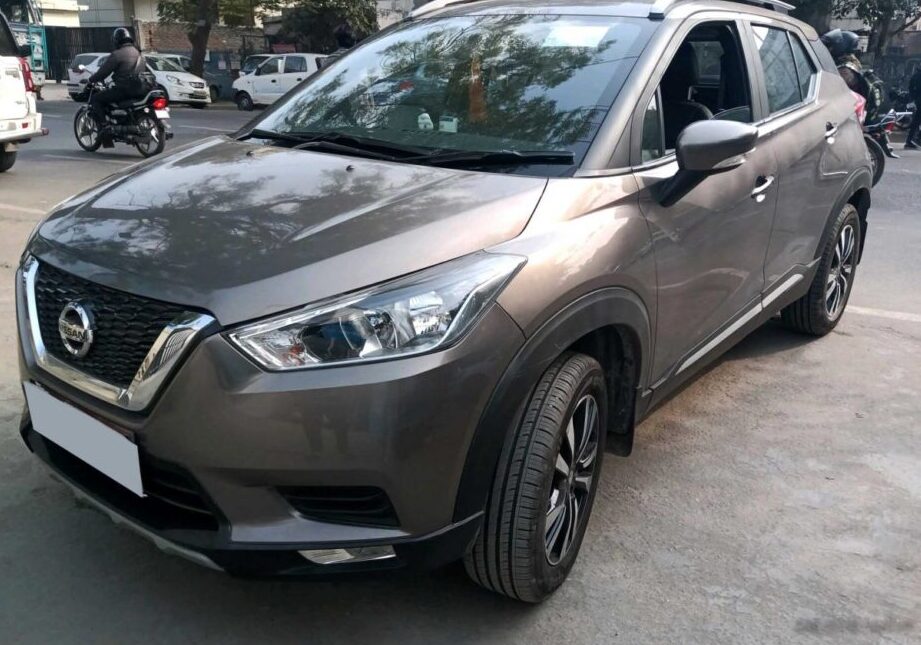
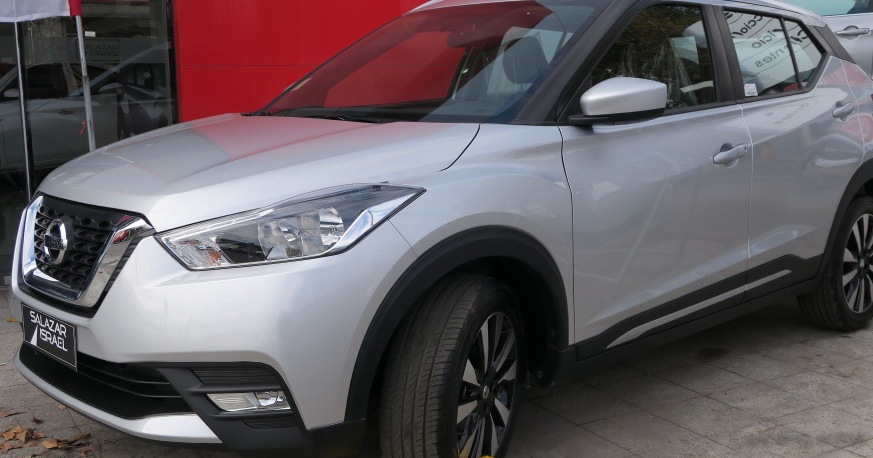
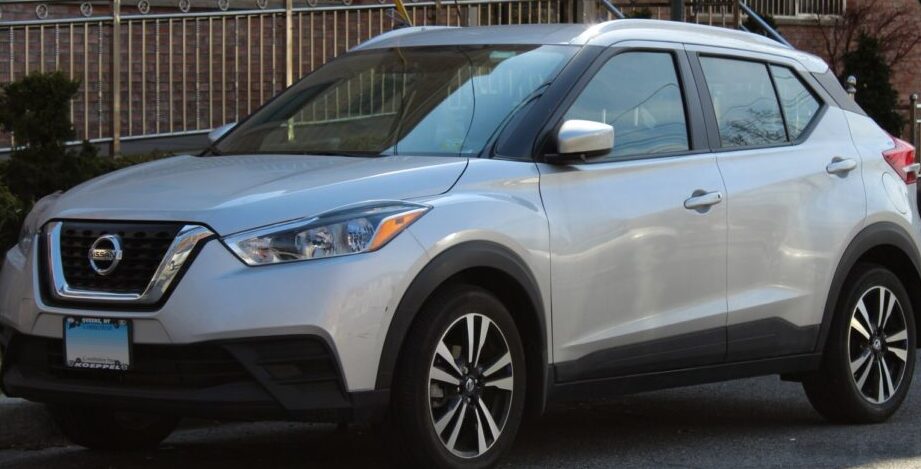
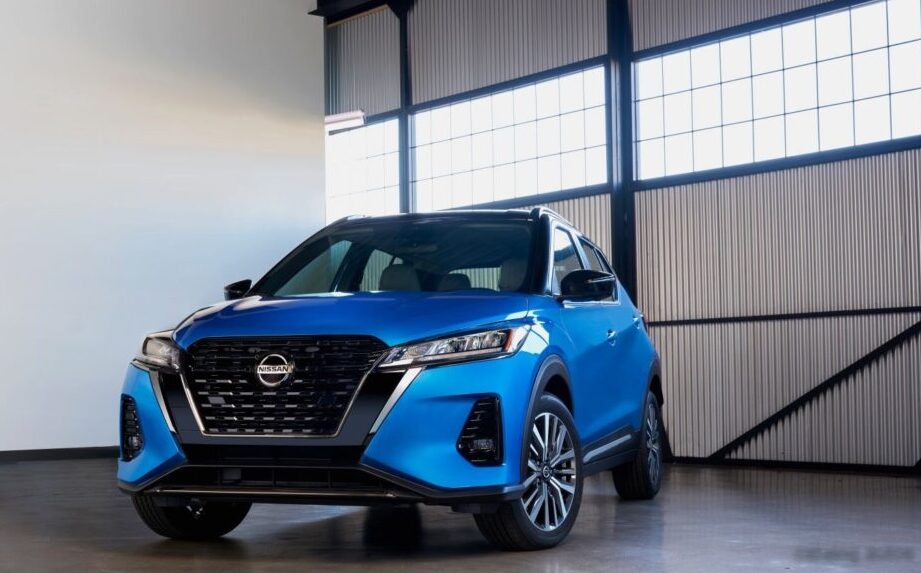
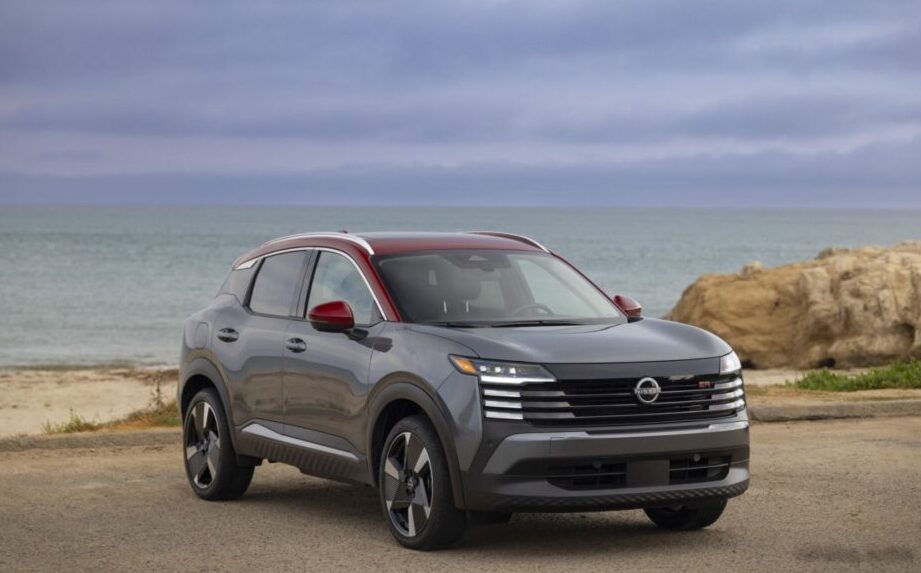
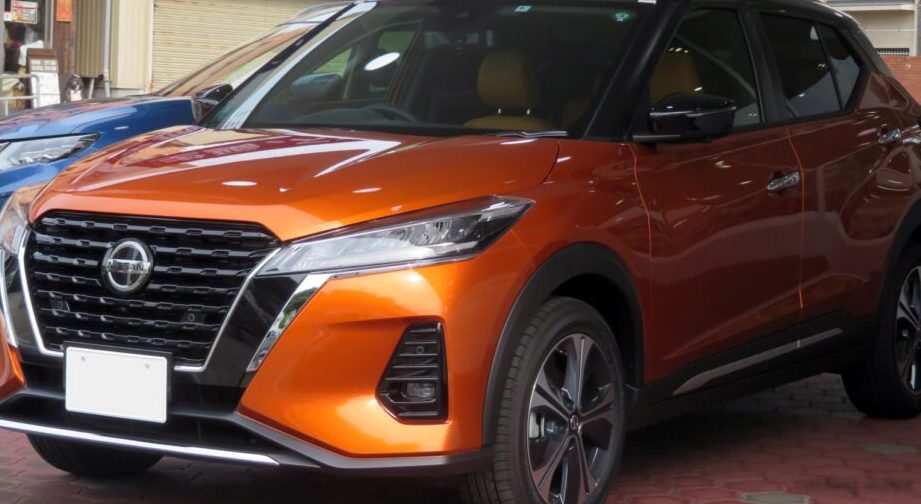
The Nissan Kicks e-Power, launched in Asian markets in 2020, is a compact SUV built on the P15 platform. It represents Nissan’s commitment to electrification, offering a unique hybrid experience distinct from conventional parallel or power-split hybrid systems. The e-Power system was designed to provide the benefits of an electric vehicle – smooth, quiet operation and instant torque – without the range anxiety associated with pure EVs, particularly in regions with developing charging infrastructure. This variant, powered by the 1.2-liter HR12DE engine paired with an electric motor and a 1.5 kWh battery, is positioned as an entry-level to mid-range offering within the Kicks lineup, focusing on fuel efficiency and affordability.
Powertrain & Engine Architecture
At the heart of the Kicks e-Power is the HR12DE, a 1.2-liter inline-three cylinder gasoline engine. This engine, while relatively small, is specifically tuned for efficiency rather than outright power. It utilizes multi-port fuel injection and a double overhead camshaft (DOHC) valvetrain with variable valve timing (VVT) to optimize combustion. Crucially, the HR12DE doesn’t directly drive the wheels. Instead, it acts as a dedicated generator, producing electricity to power the electric motor. The electric motor, delivering 129 horsepower and 260 Nm (191.77 lb-ft) of torque, is the sole source of propulsion. The small 1.5 kWh battery acts as a buffer, providing additional power during acceleration and allowing for short periods of all-electric driving. The transmission is a single-speed automatic, simplifying the driving experience and maximizing the efficiency of the electric motor. The engine code HR12DE is known for its reliability and relatively simple design, contributing to lower maintenance costs.
Driving Characteristics
The Kicks e-Power offers a unique driving experience. Acceleration is brisk and linear, thanks to the instant torque delivery of the electric motor. While not a performance-oriented vehicle, the 129 hp system provides adequate power for everyday driving and highway merging. The single-speed transmission means there are no gear changes, resulting in a smooth and seamless driving experience. Compared to a standard gasoline-powered Kicks, the e-Power variant feels more responsive at lower speeds. However, the engine can be noticeable under hard acceleration, as it ramps up to maintain battery charge. The regenerative braking system helps recapture energy during deceleration, further enhancing fuel efficiency. Compared to higher-trim Kicks models with more powerful engines, the e-Power prioritizes fuel economy over outright performance.
Equipment & Trim Levels
The Kicks e-Power typically comes standard with features such as air conditioning, power windows, power mirrors, and a basic audio system. Higher trim levels add features like alloy wheels, a touchscreen infotainment system with smartphone integration (Apple CarPlay and Android Auto), a rearview camera, and advanced safety features like automatic emergency braking and lane departure warning. Interior upholstery is typically cloth in the base models, with leather options available on higher trims. Optional extras often include a sunroof, upgraded audio systems, and various styling packages.
Chassis & Braking
The Kicks e-Power utilizes a front-wheel-drive layout. The suspension consists of an independent coil spring setup at the front and a torsion beam at the rear. This configuration provides a comfortable ride quality, well-suited for urban driving conditions. Braking duties are handled by ventilated discs at the front and solid discs at the rear, equipped with an Anti-lock Braking System (ABS). The relatively lightweight construction of the Kicks contributes to its nimble handling characteristics. The steering is electrically assisted, providing light and precise control.
Market Reception & Comparison
The Nissan Kicks e-Power has been well-received in Asian markets, particularly in countries where fuel efficiency and affordability are key considerations. Critics have praised its unique hybrid system, smooth driving experience, and impressive fuel economy. Compared to other subcompact SUVs, the Kicks e-Power offers a compelling alternative to traditional gasoline-powered models, as well as plug-in hybrid and fully electric vehicles. Its fuel economy of around 4.8 l/100 km (49 US mpg) is significantly better than many of its competitors. Reliability has been generally good, with the HR12DE engine proving to be a durable and dependable unit.
Legacy
The Nissan Kicks e-Power represents a significant step in Nissan’s electrification strategy. The e-Power system has proven to be a popular choice for consumers seeking a fuel-efficient and technologically advanced vehicle. The HR12DE engine, while not a high-performance unit, has demonstrated good long-term reliability. On the used car market, the Kicks e-Power holds its value well, thanks to its fuel efficiency and unique hybrid technology. As battery technology continues to improve and charging infrastructure expands, the e-Power system is likely to play an increasingly important role in Nissan’s future vehicle lineup.