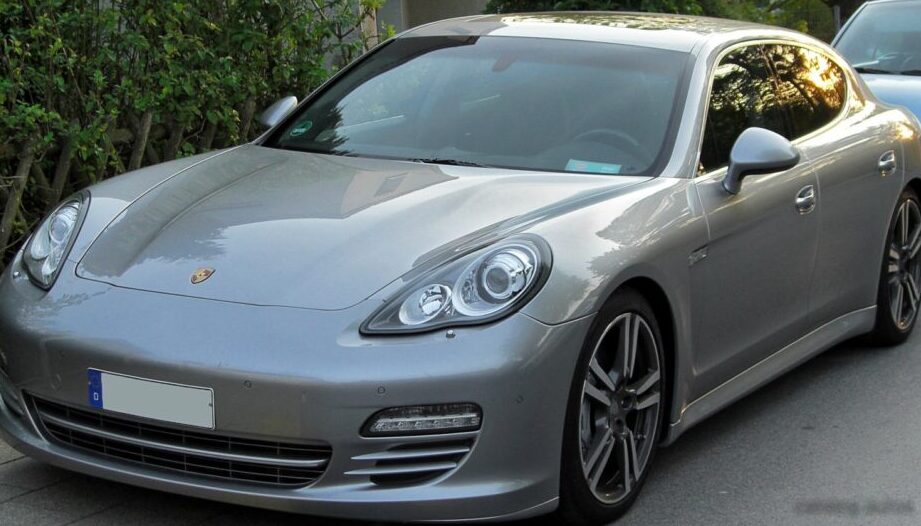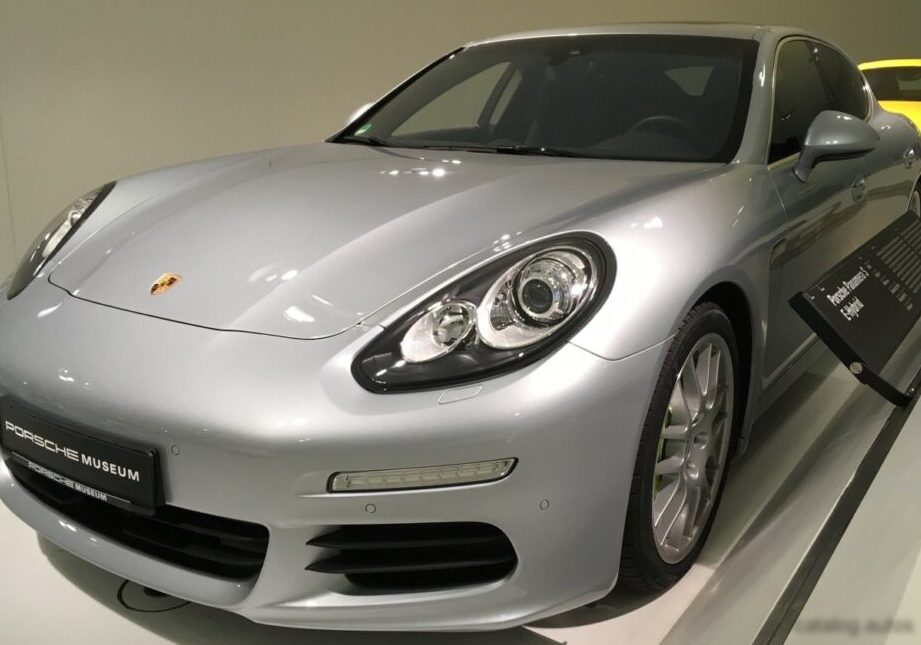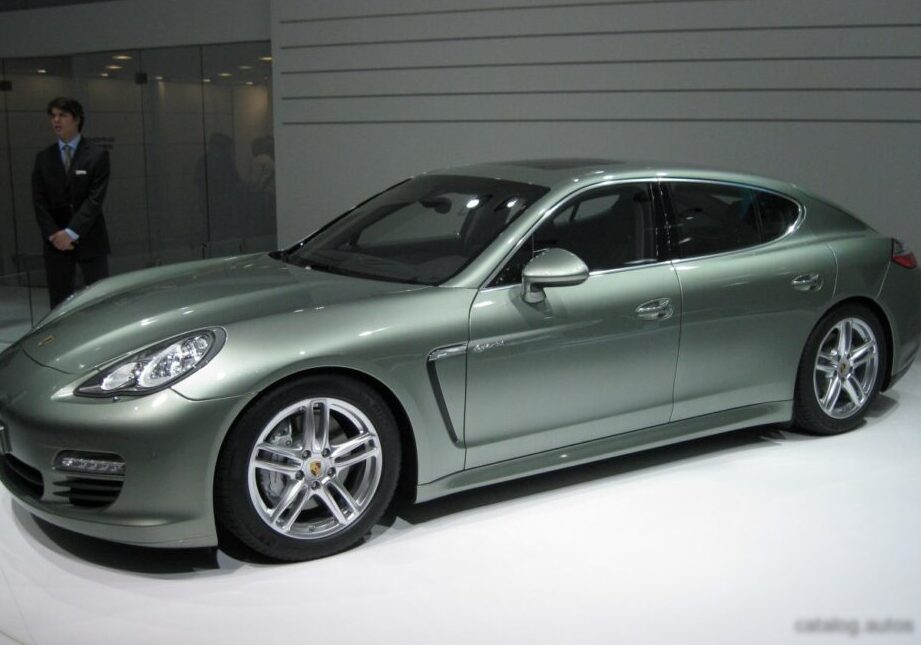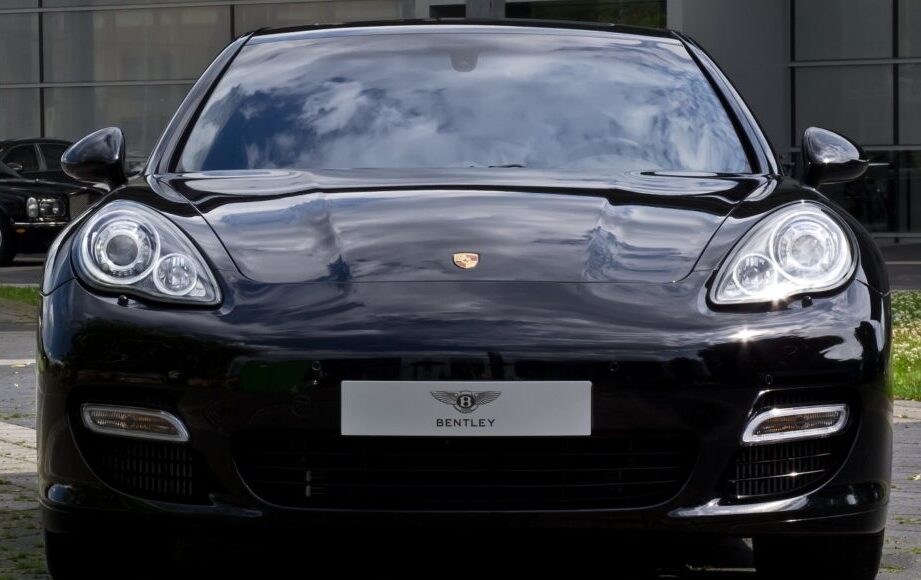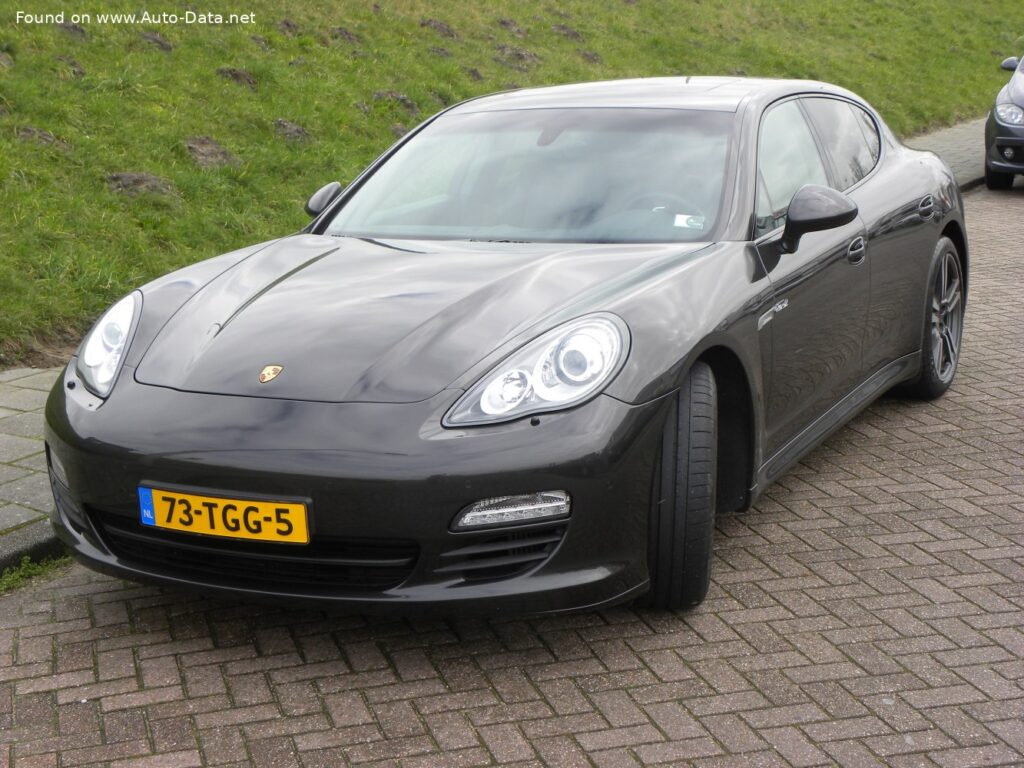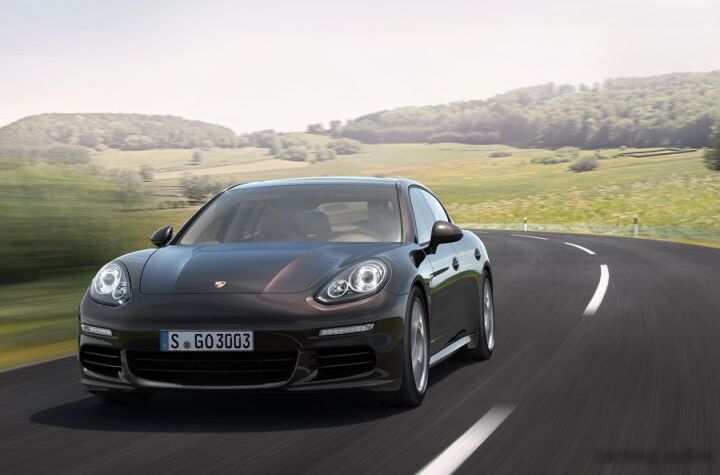
The Porsche Panamera (G1 II) 4 3.6 V6 (310 hp) PDK, produced from 2013 to 2016, represents a significant iteration of Porsche’s entry into the luxury four-door grand touring segment. Falling within the second generation (G1 II) of the Panamera, which debuted as a 2014 model, this variant occupied a middle ground in the lineup, offering a balance between performance and efficiency. It was positioned below the more powerful S and Turbo models, and above the base rear-wheel-drive Panamera. The “4” designation indicates Porsche’s standard all-wheel-drive system, while the “PDK” denotes Porsche’s dual-clutch transmission. This model aimed to broaden the Panamera’s appeal to buyers seeking a sophisticated and capable luxury vehicle with the Porsche badge.
| Brand | Porsche |
| Model | Panamera |
| Generation | Panamera (G1 II) |
| Type (Engine) | 4 3.6 V6 (310 Hp) PDK |
| Start of production | 2013 |
| End of production | 2016 |
| Powertrain Architecture | Internal Combustion engine |
| Body type | Liftback |
| Seats | 4 |
| Doors | 5 |
| Fuel consumption (economy) – urban | 11.4 l/100 km (20.6 US mpg) |
| Fuel consumption (economy) – extra urban | 7.1 l/100 km (33.1 US mpg) |
| Fuel consumption (economy) – combined | 8.7 l/100 km (27 US mpg) |
| CO2 emissions | 203 g/km |
| Fuel Type | Petrol (Gasoline) |
| Acceleration 0 – 100 km/h | 6.1 sec |
| Acceleration 0 – 62 mph | 6.1 sec |
| Acceleration 0 – 60 mph | 5.8 sec |
| Maximum speed | 257 km/h (159.69 mph) |
| Emission standard | Euro 5 |
| Weight-to-power ratio | 5.9 kg/Hp |
| Weight-to-torque ratio | 4.6 kg/Nm |
| Power | 310 Hp @ 6200 rpm |
| Power per litre | 86 Hp/l |
| Torque | 400 Nm @ 3750 rpm (295.02 lb.-ft. @ 3750 rpm) |
| Engine layout | Front, Longitudinal |
| Engine Model/Code | CWAA |
| Engine displacement | 3605 cm3 (219.99 cu. in.) |
| Number of cylinders | 6 |
| Engine configuration | V-engine |
| Cylinder Bore | 96 mm (3.78 in.) |
| Piston Stroke | 83 mm (3.27 in.) |
| Compression ratio | 12.5:1 |
| Number of valves per cylinder | 4 |
| Fuel injection system | Direct injection |
| Engine aspiration | Naturally aspirated engine |
| Engine oil capacity | 8.5 l (8.98 US qt | 7.48 UK qt) |
| Kerb Weight | 1820 kg (4012.41 lbs.) |
| Max. weight | 2420 kg (5335.19 lbs.) |
| Max load | 600 kg (1322.77 lbs.) |
| Trunk (boot) space – minimum | 445 l (15.72 cu. ft.) |
| Trunk (boot) space – maximum | 1263 l (44.6 cu. ft.) |
| Fuel tank capacity | 80 l (21.13 US gal | 17.6 UK gal) |
| Length | 5015 mm (197.44 in.) |
| Width | 1931 mm (76.02 in.) |
| Height | 1418 mm (55.83 in.) |
| Wheelbase | 2920 mm (114.96 in.) |
| Front track | 1658 mm (65.28 in.) |
| Rear (Back) track | 1662 mm (65.43 in.) |
| Drag coefficient (Cd) | 0.30 |
| Drive wheel | All wheel drive (4×4) |
| Number of gears and type of gearbox | 7 gears, automatic transmission PDK |
| Front suspension | Double wishbone |
| Rear suspension | Independent multi-link suspension |
| Front brakes | Ventilated discs |
| Rear brakes | Ventilated discs |
| Assisting systems | ABS (Anti-lock braking system) |
| Steering type | Steering rack and pinion |
| Tires size | Front wheel tires: 245/50 ZR18 Rear wheel tires: 275/45 ZR18 |
| Wheel rims size | Front wheel rims: 8J x 18 Rear wheel rims: 9J x 18 |
Powertrain & Engine Architecture
At the heart of the Panamera 4 3.6 V6 PDK lies the CWAA engine, a naturally aspirated 3.6-liter V6. This engine is a member of Porsche’s robust V6 family, utilizing direct fuel injection (DFI) to maximize efficiency and power output. The DFI system injects fuel directly into the combustion chamber, allowing for precise control of the air-fuel mixture and improved combustion. The engine features four valves per cylinder, contributing to its breathing efficiency and overall performance. The 60-degree V-angle provides a good balance between smoothness and compactness. The engine produces 310 horsepower at 6,200 rpm and 400 Nm (295 lb-ft) of torque at 3,750 rpm. Paired with this engine is Porsche’s seven-speed PDK (Porsche Doppelkupplung) dual-clutch transmission. The PDK offers incredibly fast and smooth gear changes, contributing to both performance and fuel efficiency. The all-wheel-drive system is a multi-plate clutch system that actively distributes torque between the front and rear axles, enhancing traction and stability, particularly in adverse weather conditions.
Driving Characteristics
The Panamera 4 3.6 V6 PDK delivers a refined and capable driving experience. While not as overtly sporty as the higher-powered Panamera variants, it provides ample power for comfortable and confident cruising, as well as brisk acceleration. The 0-60 mph time of around 5.8 seconds is respectable for a large luxury sedan. The PDK transmission contributes significantly to the driving experience, offering near-instantaneous gear changes and a responsive feel. The all-wheel-drive system provides excellent grip and stability, inspiring confidence in various driving conditions. Compared to the manual transmission options available on other Panamera models, the PDK offers a more seamless and effortless driving experience, particularly in city traffic. The gear ratios are tuned for a balance of acceleration and fuel economy, with taller gears for highway cruising and shorter gears for quicker response. The naturally aspirated engine delivers a linear power delivery, lacking the turbocharger lag found in some competitors.
Equipment & Trim Levels
The Panamera 4 3.6 V6 PDK came standard with a comprehensive list of features befitting a luxury vehicle. Standard equipment included leather upholstery, power-adjustable front seats with memory function, a touchscreen infotainment system with navigation, a premium sound system, automatic climate control, and a panoramic sunroof. Optional extras included adaptive cruise control, lane keep assist, ventilated and massaging front seats, a rear-seat entertainment system, and a variety of interior trim options. The interior typically featured a combination of leather, wood, and aluminum trim, creating a luxurious and sophisticated ambiance. Exterior options included a range of wheel designs, paint colors, and exterior trim packages.
Chassis & Braking
The Panamera 4 3.6 V6 PDK utilizes a double-wishbone front suspension and an independent multi-link rear suspension, providing a comfortable and controlled ride. The suspension is tuned to balance handling and comfort, offering a good compromise between sporty responsiveness and a smooth ride quality. The car is equipped with ventilated disc brakes on all four wheels, providing ample stopping power. Porsche’s ABS (Anti-lock Braking System) and stability control systems are standard, enhancing safety and control. The standard wheel and tire sizes were 8J x 18 with 245/50 ZR18 tires in the front and 9J x 18 with 275/45 ZR18 tires in the rear.
Market Reception & Comparison
The Panamera 4 3.6 V6 PDK was generally well-received by automotive critics. It was praised for its comfortable ride, refined interior, and capable performance. However, some critics noted that it lacked the outright excitement of the more powerful Panamera models. Compared to the Panamera S, which featured a more powerful V8 engine, the 3.6 V6 offered better fuel economy but less acceleration. Compared to the Panamera Diesel, the V6 offered more power and a more refined driving experience, but at the cost of fuel efficiency. The Panamera 4 3.6 V6 PDK competed with other luxury four-door sedans such as the BMW 5 Series Gran Turismo, the Audi A7, and the Mercedes-Benz CLS-Class.
Legacy
The Porsche Panamera 4 3.6 V6 PDK has proven to be a relatively reliable vehicle, with the CWAA engine generally considered durable. However, like any complex vehicle, it is susceptible to age-related issues. Common maintenance items include regular oil changes, coolant flushes, and brake service. The PDK transmission requires periodic servicing to ensure smooth operation. On the used car market, these Panameras represent a good value for buyers seeking a luxurious and capable grand tourer with the Porsche pedigree. The combination of all-wheel drive, a comfortable interior, and a refined driving experience makes it a compelling option for those seeking a versatile and sophisticated luxury vehicle.