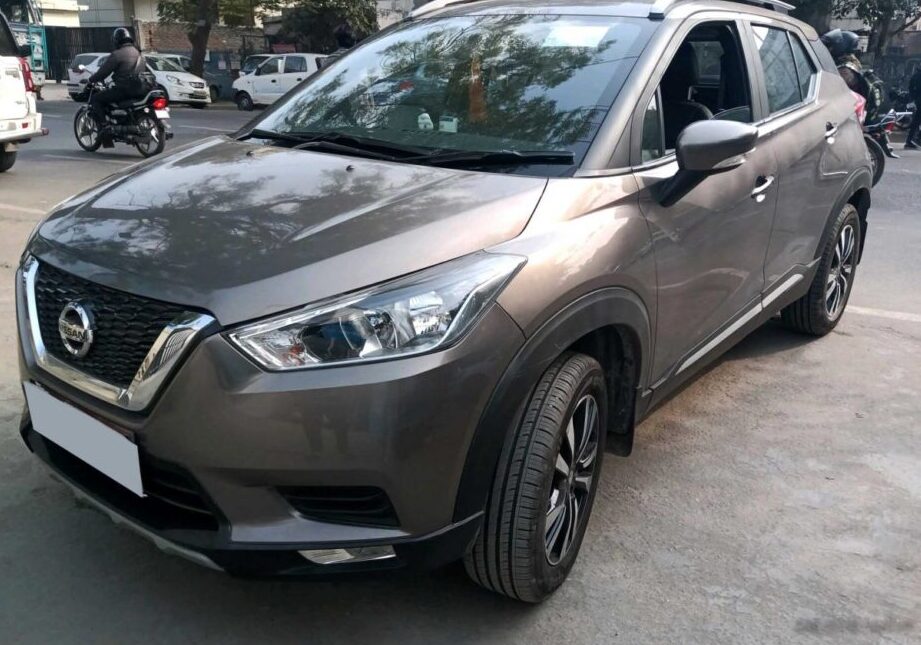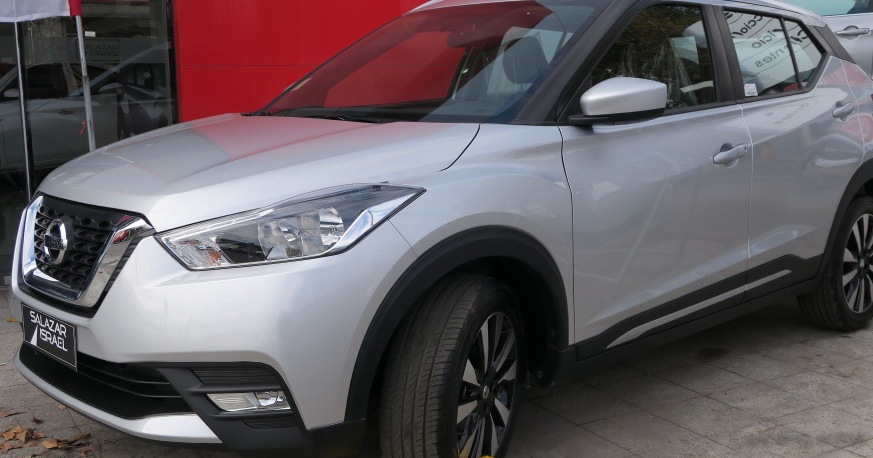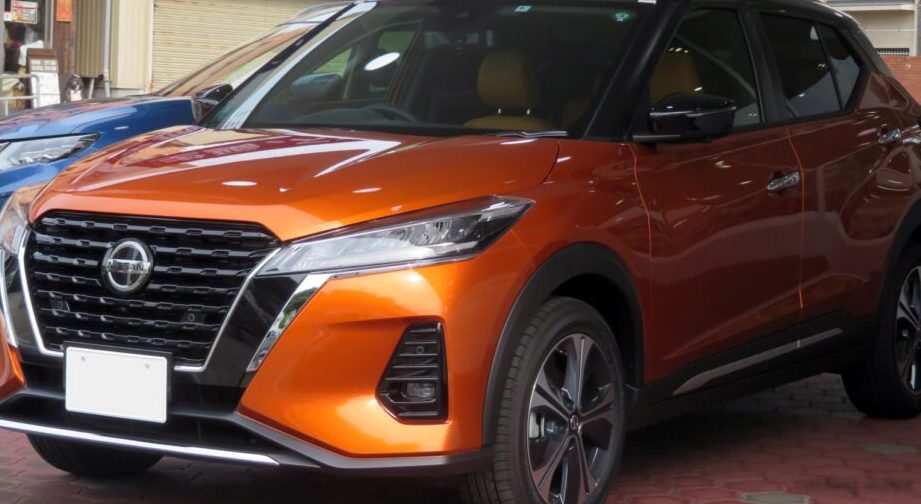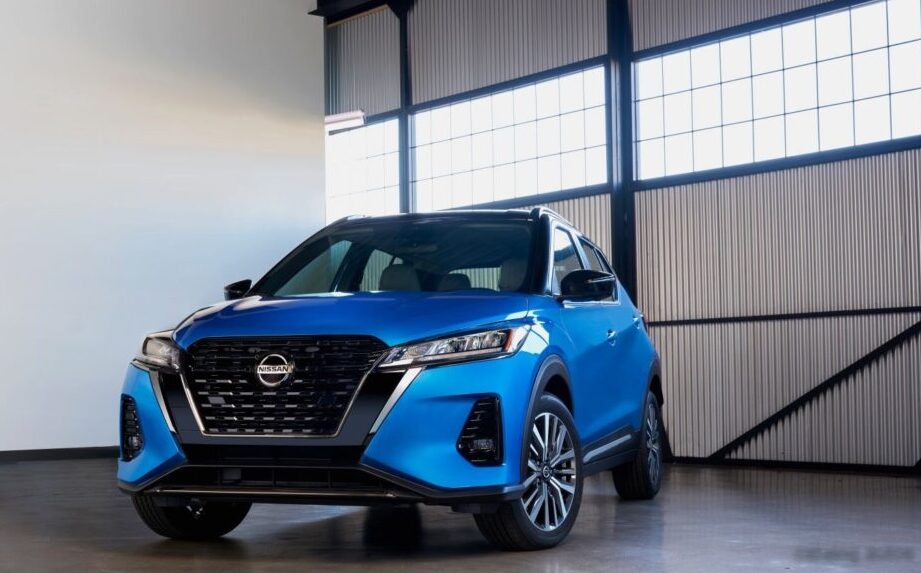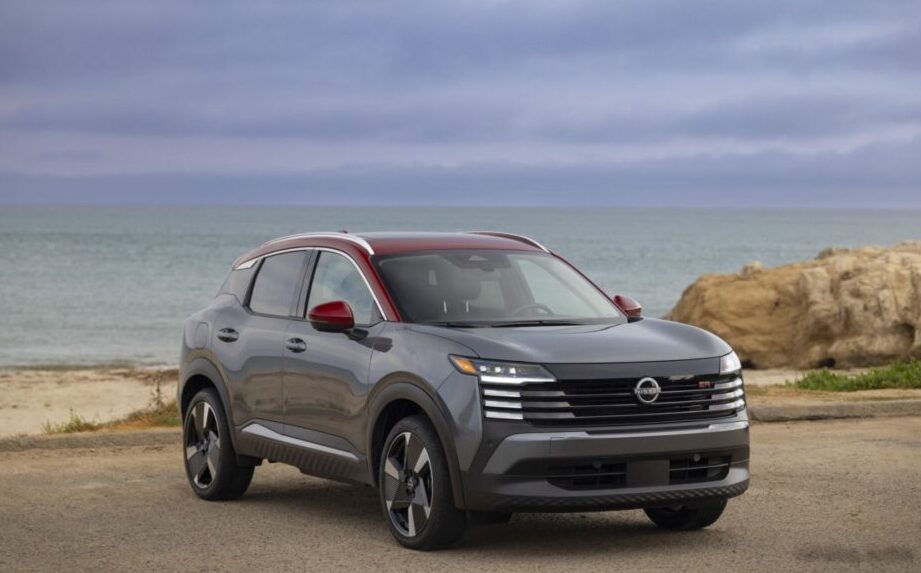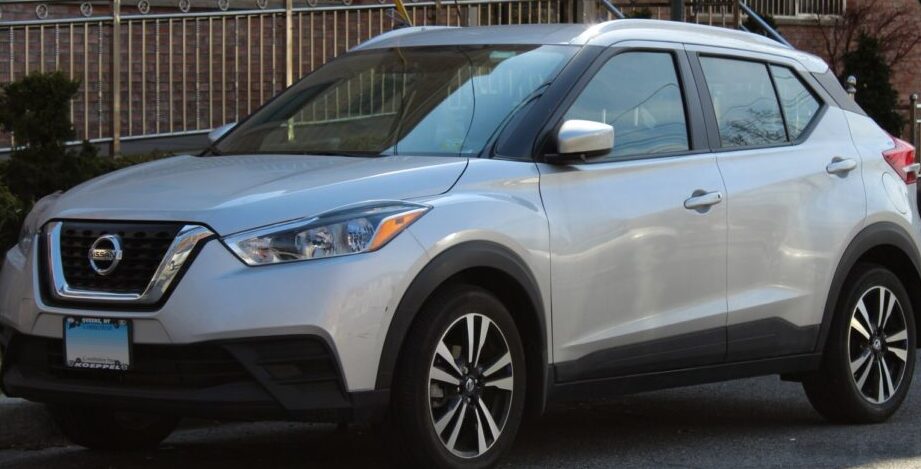
The Nissan Kicks (P15), specifically the 1.6-liter (122 horsepower) variant equipped with the Xtronic continuously variable transmission (CVT), was introduced in the United States for the 2018 model year and continued through December 2020. Positioned as Nissan’s entry-level subcompact crossover SUV, the Kicks aimed to attract buyers seeking affordability, fuel efficiency, and a modern design. It slotted below the Rogue and Rogue Sport in Nissan’s North American lineup, competing with vehicles like the Honda HR-V and Toyota C-HR. This particular configuration represented the sole powertrain option available for the US market Kicks during its initial run.
Technical Specifications
| Brand | Nissan |
| Model | Kicks |
| Generation | Kicks (P15, USA) |
| Type (Engine) | 1.6 (122 Hp) Xtronic |
| Start of production | 2018 |
| End of production | December, 2020 |
| Powertrain Architecture | Internal Combustion engine |
| Body type | SUV |
| Seats | 5 |
| Doors | 5 |
| Fuel consumption (urban) | 7.6 l/100 km (30.9 US mpg) |
| Fuel consumption (extra urban) | 6.5 l/100 km (36.2 US mpg) |
| Fuel consumption (combined) | 7.1 l/100 km (33.1 US mpg) |
| Fuel Type | Petrol (Gasoline) |
| Emission standard | LEV3-SULEV30 |
| Weight-to-power ratio | 9.8 kg/Hp |
| Weight-to-torque ratio | 7.7 kg/Nm |
| Power | 122 Hp @ 6300 rpm |
| Power per litre | 76.3 Hp/l |
| Torque | 155 Nm @ 4000 rpm (114.32 lb.-ft. @ 4000 rpm) |
| Maximum engine speed | 6500 rpm |
| Engine layout | Front, Transverse |
| Engine Model/Code | HR16DE |
| Engine displacement | 1598 cm3 (97.52 cu. in.) |
| Number of cylinders | 4 |
| Engine configuration | Inline |
| Cylinder Bore | 78 mm (3.07 in.) |
| Piston Stroke | 83.6 mm (3.29 in.) |
| Compression ratio | 10.4:1 |
| Number of valves per cylinder | 4 |
| Fuel injection system | Direct injection |
| Engine aspiration | Naturally aspirated engine |
| Valvetrain | CVTCS, DOHC |
| Engine oil capacity | 4.3 l (4.54 US qt | 3.78 UK qt) |
| Coolant | 6.95 l (7.34 US qt | 6.12 UK qt) |
| Kerb Weight | 1197-1212 kg (2638.93 – 2672 lbs.) |
| Max. weight | 1625 kg (3582.51 lbs.) |
| Max load | 413-428 kg (910.51 – 943.58 lbs.) |
| Trunk (boot) space – minimum | 716 l (25.29 cu. ft.) |
| Trunk (boot) space – maximum | 1504 l (53.11 cu. ft.) |
| Fuel tank capacity | 41 l (10.83 US gal | 9.02 UK gal) |
| Length | 4295 mm (169.09 in.) |
| Width | 1760 mm (69.29 in.) |
| Height | 1585 mm (62.4 in.) |
| Wheelbase | 2619 mm (103.11 in.) |
| Front track | 1519 mm (59.8 in.) |
| Rear (Back) track | 1534 mm (60.39 in.) |
| Ride height (ground clearance) | 178 mm (7.01 in.) |
| Drag coefficient (Cd) | 0.334 |
| Minimum turning circle | 10.4 m (34.12 ft.) |
| Approach angle | 19-19.5° |
| Departure angle | 31.7° |
| Ramp-over angle | 17.7° |
| Drivetrain Architecture | Front wheel drive |
| Number of gears and type of gearbox | automatic transmission Xtronic |
| Front suspension | Independent coil spring |
| Rear suspension | Torsion |
| Front brakes | Disc, 258 mm |
| Rear brakes | Drum |
| Assisting systems | ABS (Anti-lock braking system) |
| Steering type | Steering rack and pinion |
| Power steering | Electric Steering |
| Tires size | 205/60 R16; 205/55 R17 |
| Wheel rims size | 6J x 16; 6.5J x 17 |
Powertrain & Engine Architecture
The Nissan Kicks utilizes the HR16DE 1.6-liter inline-four cylinder engine. This engine is a naturally aspirated powerplant featuring continuously variable valve timing control system (CVTCS) and a double overhead camshaft (DOHC) configuration. The HR16DE employs multi-point fuel injection. The engine’s design prioritizes fuel efficiency and smooth operation over outright performance. Paired with the HR16DE is Nissan’s Xtronic CVT, a belt-and-pulley system designed to provide seamless acceleration and improved fuel economy compared to traditional automatic transmissions. The Xtronic CVT in the Kicks features simulated step-shift programming to mimic the feel of a conventional automatic, addressing some driver preferences.
Driving Characteristics
The 1.6-liter engine and Xtronic CVT combination in the Kicks delivers adequate, though not exhilarating, performance. With 122 horsepower and 114 lb-ft of torque, acceleration is best described as leisurely. The CVT effectively keeps the engine in its optimal power band, but the lack of distinct gear changes can feel somewhat disconnected to drivers accustomed to traditional automatics. The Kicks prioritizes fuel economy and smooth cruising over sporty driving dynamics. The CVT’s ratios are tuned for efficiency, resulting in a relaxed driving experience at highway speeds. Compared to a hypothetical manual transmission version (not offered in the US market), the CVT would likely result in slightly slower acceleration but improved fuel economy.
Equipment & Trim Levels
The Kicks was offered in three primary trim levels: S, SV, and SR. The base S trim included standard features such as a rearview camera, Bluetooth connectivity, a 7-inch touchscreen infotainment system, and automatic emergency braking. The SV trim added features like Apple CarPlay and Android Auto compatibility, heated front seats, and keyless entry. The top-tier SR trim included unique exterior styling elements, upgraded interior trim, and Intelligent Cruise Control. All trims featured cloth upholstery, with the SR offering optional premium cloth or synthetic leather options. Optional extras included a Bose audio system and a 360-degree around view monitor.
Chassis & Braking
The Kicks utilizes a front-wheel-drive platform with an independent coil spring suspension in the front and a torsion beam suspension in the rear. The front brakes are disc brakes measuring 258mm, while the rear brakes are drum brakes. This configuration was chosen to balance cost and weight with adequate stopping performance. The Kicks includes standard Anti-lock Braking System (ABS). The relatively lightweight construction of the Kicks contributes to its nimble handling characteristics. The electric power steering provides light and easy steering effort, making it well-suited for urban driving.
Market Reception & Comparison
The Nissan Kicks was generally well-received by automotive critics for its affordability, fuel efficiency, and spacious interior. However, some reviewers criticized its lack of power and somewhat unrefined driving experience. Compared to other subcompact crossovers, the Kicks offered a competitive fuel economy figure of 33.1 US mpg combined. Reliability ratings were generally average, with some reports of minor issues with the CVT. The Kicks’ primary advantage over competitors like the Honda HR-V and Toyota C-HR was its lower starting price.
Legacy
The Nissan Kicks (P15) established a foothold for Nissan in the growing subcompact crossover segment. While the initial generation was discontinued after the 2020 model year, it was replaced by a redesigned second-generation model in 2021. The HR16DE engine and Xtronic CVT powertrain, while not known for exceptional performance or longevity, proved to be generally reliable in the Kicks application. On the used car market, the 2018-2020 Kicks remains an attractive option for budget-conscious buyers seeking a fuel-efficient and practical small SUV. Maintenance costs are typically moderate, and parts availability is good.