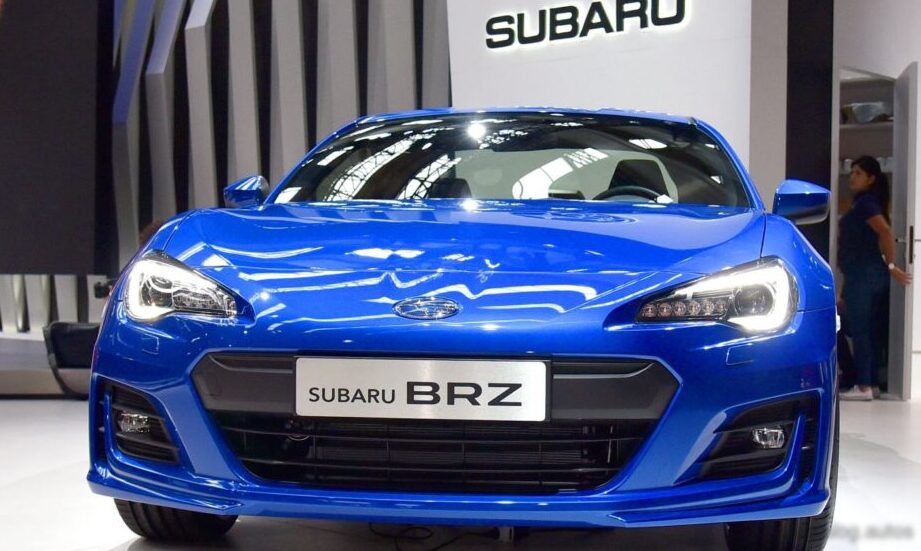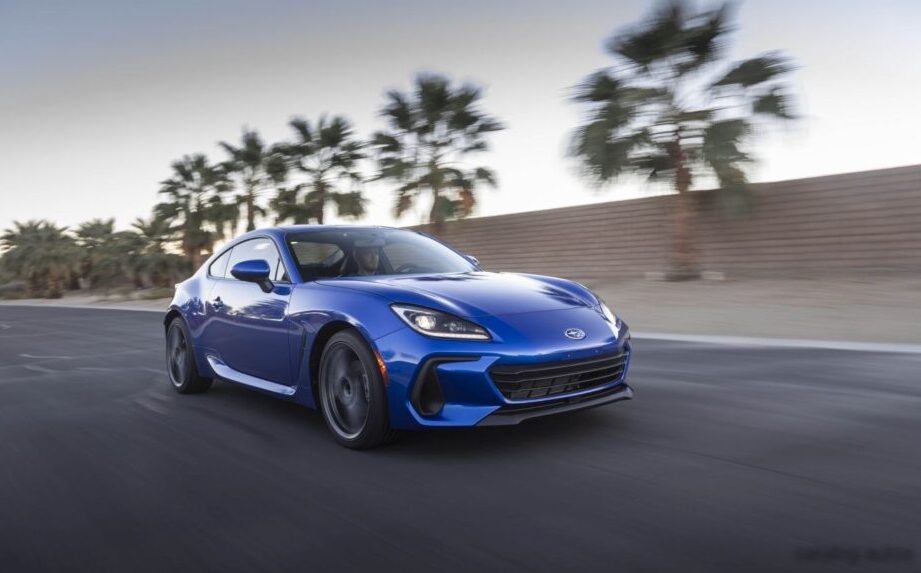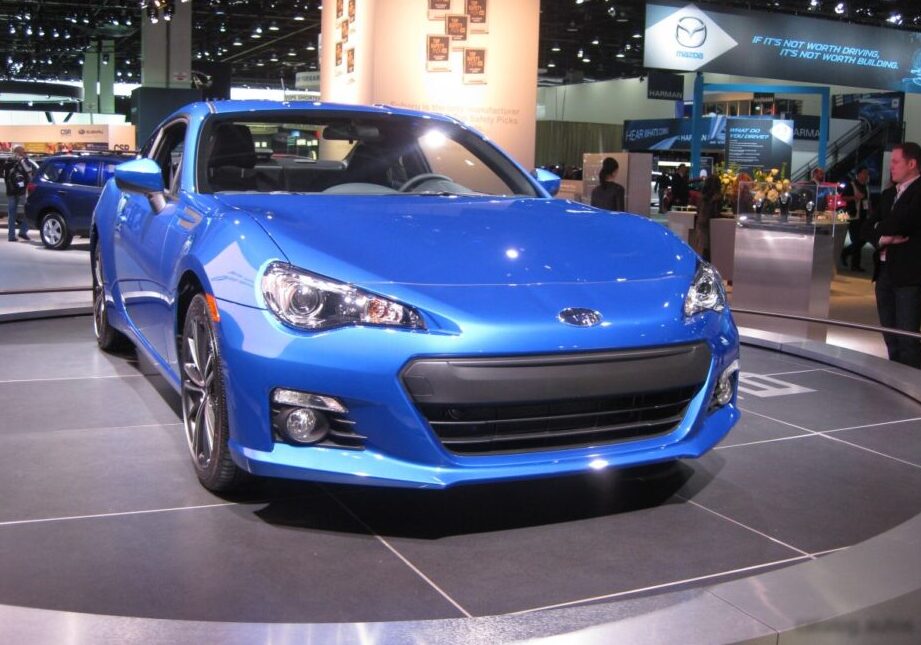
The Subaru BRZ, launched in 2012 as a 2013 model year vehicle, represented a significant departure for the Japanese automaker. Developed in collaboration with Toyota (resulting in the nearly identical Toyota 86/GT86), the BRZ aimed to revive the affordable, lightweight, rear-wheel-drive sports car segment. The first generation, internally designated BRZ I, spanned from 2012 to 2016, and was offered with a single engine option: a 2.0-liter naturally aspirated boxer engine. This article focuses specifically on the 200 horsepower variant of the BRZ I, which was the standard output for the North American market throughout its production run.
Technical Specifications
| Brand | Subaru |
| Model | BRZ |
| Generation | BRZ I |
| Type (Engine) | 2.0 (200 Hp) |
| Start of production | 2012 |
| End of production | 2016 |
| Powertrain Architecture | Internal Combustion engine |
| Body type | Coupe |
| Seats | 4 |
| Doors | 2 |
| Fuel consumption (urban) | 9 l/100 km (26.1 US mpg) |
| Fuel consumption (extra urban) | 5.7 l/100 km (41.3 US mpg) |
| Fuel consumption (combined) | 6.9 l/100 km (34.1 US mpg) |
| Fuel Type | Petrol (Gasoline) |
| Acceleration 0 – 100 km/h | 7.6 sec |
| Acceleration 0 – 62 mph | 7.6 sec |
| Acceleration 0 – 60 mph | 7.2 sec |
| Maximum speed | 230 km/h (142.92 mph) |
| Weight-to-power ratio | 6 kg/Hp |
| Weight-to-torque ratio | 5.9 kg/Nm |
| Power | 200 Hp @ 7000 rpm |
| Torque | 205 Nm @ 6400-6600 rpm (151.2 lb.-ft. @ 6400-6600 rpm) |
| Engine layout | Front, Longitudinal |
| Engine Model/Code | FA20D |
| Engine displacement | 1998 cm3 (121.93 cu. in.) |
| Number of cylinders | 4 |
| Engine configuration | Boxer |
| Cylinder Bore | 86 mm (3.39 in.) |
| Piston Stroke | 86 mm (3.39 in.) |
| Compression ratio | 12.5:1 |
| Number of valves per cylinder | 4 |
| Fuel injection system | Direct injection |
| Engine aspiration | Naturally aspirated engine |
| Valvetrain | DOHC |
| Engine oil capacity | 5.4 l (5.71 US qt | 4.75 UK qt) |
| Coolant | 7.2 l (7.61 US qt | 6.34 UK qt) |
| Kerb Weight | 1202 kg (2649.96 lbs.) |
| Trunk (boot) space | 243 l (8.58 cu. ft.) |
| Fuel tank capacity | 50 l (13.21 US gal | 11 UK gal) |
| Length | 4240 mm (166.93 in.) |
| Width | 1775 mm (69.88 in.) |
| Height | 1425 mm (56.1 in.) |
| Wheelbase | 2570 mm (101.18 in.) |
| Front track | 1520 mm (59.84 in.) |
| Rear track | 1540 mm (60.63 in.) |
| Minimum turning circle | 10.8 m (35.43 ft.) |
| Drivetrain Architecture | Rear wheel drive |
| Number of gears | 6 gears, manual transmission |
| Front suspension | Independent type McPherson |
| Rear suspension | Double wishbone |
| Front brakes | Ventilated discs |
| Rear brakes | Disc |
| Assisting systems | ABS (Anti-lock braking system) |
| Steering type | Steering rack and pinion |
| Tires size | 205/55 R16 |
| Wheel rims size | 6.5J x 16 |
INTRODUCTION
The Subaru BRZ I, specifically the 200 horsepower variant, was positioned as the entry-level performance offering within the BRZ lineup. It represented a deliberate return to the fundamentals of sports car design – lightweight construction, balanced handling, and driver engagement – at an accessible price point. Built on the Subaru/Toyota jointly developed 1HX0 platform (also known as the A3 platform), the BRZ aimed to fill a void left by the disappearance of cars like the Mazda MX-5 Miata and Nissan 240SX, offering a more practical 2+2 seating configuration. Production spanned from 2012 through 2016, with minor revisions occurring throughout the model years.
Powertrain & Engine Architecture
The heart of the BRZ I 200 Hp is the FA20D 2.0-liter horizontally opposed (boxer) four-cylinder engine. This engine is a key component of Subaru’s engineering identity, known for its low center of gravity and inherent balance. The FA20D utilizes direct fuel injection, a high 12.5:1 compression ratio, and a dual overhead camshaft (DOHC) valvetrain with four valves per cylinder. These features contribute to its relatively high specific output of 100.1 horsepower per liter. The engine’s output of 200 hp at 7000 rpm and 151.2 lb-ft of torque between 6400-6600 rpm is achieved without the aid of forced induction, relying instead on optimized engine breathing and precise fuel management. The standard transmission for this variant was a smooth-shifting 6-speed manual. While an automatic transmission was offered, it was a traditional torque-converter automatic, not a dual-clutch unit, and was often criticized for diminishing the driving experience.
Driving Characteristics
The 200 hp BRZ I, particularly when equipped with the manual transmission, offered a rewarding driving experience focused on handling and balance. The relatively low curb weight of around 2650 lbs, combined with the rear-wheel-drive layout, resulted in a nimble and predictable chassis. The engine, while not exceptionally powerful, provided sufficient power for spirited driving on twisty roads. The 6-speed manual transmission featured closely spaced gear ratios, encouraging drivers to keep the engine in its powerband. The automatic transmission, however, altered the character of the car significantly. Its taller gear ratios and less responsive nature diminished the sense of connection and control. Acceleration from 0-60 mph was typically around 7.2 seconds for the manual and slightly slower for the automatic.
Equipment & Trim Levels
The base BRZ I 200 Hp was relatively sparsely equipped, reflecting its focus on affordability and driving purity. Standard features typically included air conditioning, power windows and locks, a basic audio system, and stability control. Interior upholstery was typically cloth, and the dashboard featured a straightforward design. Optional extras included a premium audio system with navigation, keyless entry, and leather upholstery. Higher trim levels, such as the Limited, added these features as standard equipment. The interior, while functional, was often criticized for its somewhat basic materials and design.
Chassis & Braking
The BRZ I utilized a McPherson strut front suspension and a double wishbone rear suspension, tuned for balanced handling. The suspension setup was relatively firm, prioritizing control over comfort. The base model typically featured ventilated disc brakes at the front and solid disc brakes at the rear. Anti-lock braking system (ABS) was standard. The chassis was designed to be stiff, minimizing body roll and maximizing responsiveness. The relatively narrow tires (205/55 R16) contributed to a predictable and forgiving handling balance, making the car accessible to drivers of varying skill levels.
Market Reception & Comparison
The BRZ I was generally well-received by automotive critics, who praised its handling, balance, and affordability. However, the engine’s lack of low-end torque was a common criticism. Compared to other trims in the BRZ lineup (there weren’t many, as the engine was the primary differentiator), the 200 hp variant represented the sweet spot for many enthusiasts. It offered a compelling driving experience without the added cost of optional extras. Compared to the Toyota 86, which was mechanically identical, the Subaru BRZ often benefited from a slightly more favorable brand perception among performance enthusiasts. Fuel economy was respectable, averaging around 34.1 US mpg in combined driving.
Legacy
The Subaru BRZ I 200 Hp has established a strong following among enthusiasts. The FA20D engine, while not without its quirks, has proven to be relatively reliable with proper maintenance. The car’s simple design and readily available aftermarket support have made it a popular platform for modification and track use. On the used car market, well-maintained examples of the BRZ I command reasonable prices, reflecting its enduring appeal as an affordable and engaging sports car. The first-generation BRZ paved the way for the second-generation model, which addressed some of the criticisms leveled at the original while retaining its core values of lightweight construction and driver engagement.