
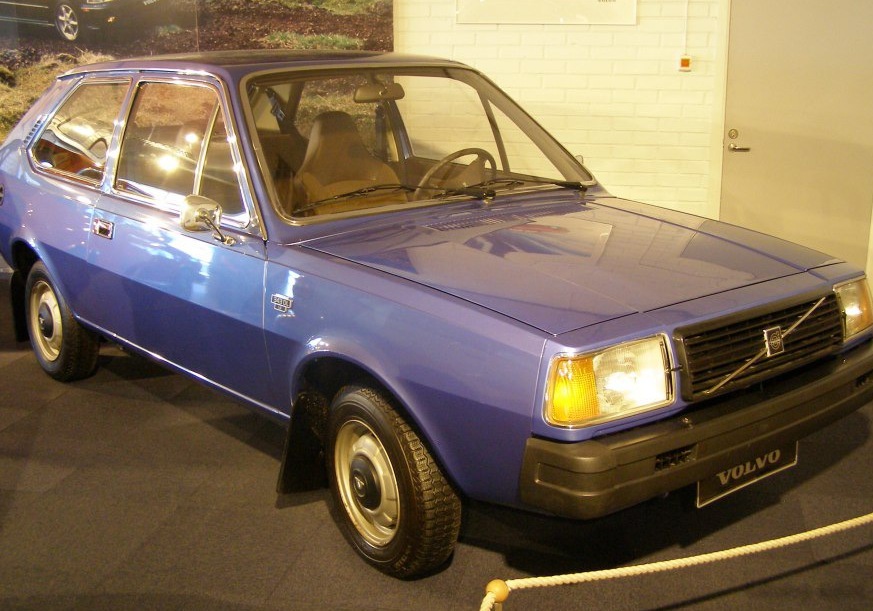
The Volvo 340 and 360 series, specifically the 343 and 345 models equipped with the 1.7-liter B172K engine producing 80 horsepower, represented Volvo’s entry into the compact hatchback market. Produced from 1985 to 1991, these models were a significant departure from Volvo’s traditionally larger, more luxurious offerings. They were designed to appeal to a broader, more budget-conscious customer base, particularly in Europe, while still maintaining Volvo’s reputation for safety and durability. This variant occupied the base trim level within the 340/360 range, offering a more affordable option compared to the higher-displacement and more powerful engines available.
Technical Specifications
| Brand | Volvo |
| Model | 340-360 (343, 345) |
| Generation | 340-360 (343, 345) |
| Type (Engine) | 1.7 (80 Hp) |
| Start of Production | 1985 |
| End of Production | 1991 |
| Powertrain Architecture | Internal Combustion Engine |
| Body Type | Hatchback |
| Fuel Type | Petrol (Gasoline) |
| Power | 80 Hp |
| Engine Model/Code | B172K |
| Engine Aspiration | Naturally Aspirated |
| Engine Oil Capacity | 5 liters (5.28 US qt | 4.4 UK qt) |
| Coolant Capacity | 8 liters (8.45 US qt | 7.04 UK qt) |
Powertrain & Engine Architecture
The heart of the 343/345 1.7 was the B172K engine, a 1.7-liter inline-four cylinder powerplant. This engine was a relatively simple design, featuring a cast iron block and an aluminum cylinder head. It utilized a single overhead camshaft (SOHC) valvetrain operating two valves per cylinder. Fuel delivery was managed by a Bosch mechanical fuel injection system, a common setup for the time, offering a balance between cost and efficiency. While not particularly powerful, the B172K was known for its reliability and relatively low maintenance requirements. The engine’s design prioritized durability over outright performance.
The 1.7-liter engine was typically paired with a four-speed automatic transmission, although a five-speed manual was also available. The automatic transmission was a conventional hydraulic unit, offering smooth but not particularly quick shifts. The gear ratios were optimized for fuel economy and ease of driving, rather than sporty acceleration. This combination made the 343/345 1.7 a comfortable and practical daily driver, but it wasn’t designed for spirited performance.
Driving Characteristics
The 343/345 1.7 with the automatic transmission delivered modest performance. Acceleration was adequate for everyday driving, but overtaking maneuvers required careful planning. The 80 horsepower and approximately 102 lb-ft of torque provided sufficient power for cruising on highways, but climbing steep hills or carrying a full load of passengers and cargo could strain the engine. The automatic transmission’s shift points were programmed for fuel efficiency, which sometimes resulted in the engine feeling sluggish during acceleration. Compared to the 2.0-liter and 2.1-liter versions of the 340/360, the 1.7 felt noticeably slower and less responsive. The manual transmission offered a more engaging driving experience and slightly improved performance, but the automatic was favored by buyers seeking convenience.
Equipment & Trim Levels
The 343/345 1.7 typically came with a fairly basic level of equipment. Standard features included cloth upholstery, a simple dashboard layout, and manual windows and door locks. Heating and ventilation were standard, but air conditioning was often an optional extra. The interior was functional and durable, reflecting the car’s budget-oriented positioning. Higher trim levels offered upgrades such as upgraded upholstery, a more comprehensive instrument cluster, and additional convenience features. The 345, being the five-door variant, offered increased practicality and was often preferred by families.
Chassis & Braking
The Volvo 340/360 series utilized a relatively simple chassis design. The front suspension consisted of MacPherson struts, while the rear suspension employed a solid axle with leaf springs. This setup provided a comfortable ride, but it wasn’t particularly sporty. The braking system varied depending on the year and market. Early models often featured drum brakes on the rear wheels, while later models were upgraded to disc brakes all around. The braking performance was adequate for the car’s weight and power, but it wasn’t exceptional. A stabilizer bar was fitted to the front suspension to reduce body roll during cornering.
Market Reception & Comparison
The 343/345 1.7 was generally well-received as an affordable and reliable compact car. Critics praised its safety features, which were typical of Volvo, and its durable construction. However, the engine’s lack of power was often criticized, particularly when compared to competitors from other European manufacturers. Fuel economy was considered reasonable for the time, but not class-leading. Compared to the higher-displacement 340/360 models, the 1.7 offered a lower purchase price but sacrificed performance. The 2.0-liter and 2.1-liter engines provided significantly more power and a more engaging driving experience, but they also came with a higher price tag. The 1.7 appealed to buyers who prioritized affordability and practicality over performance.
Legacy
The Volvo 340/360 series, including the 1.7-liter variant, has developed a loyal following among enthusiasts. The B172K engine is known for its robustness and relatively simple maintenance requirements. While not a high-performance engine, it is capable of lasting for many years with proper care. Today, these cars are relatively affordable to purchase and maintain, making them a popular choice for classic car enthusiasts and budget-minded drivers. Parts availability can be a challenge, but a dedicated network of suppliers and online resources exists to support owners. The 343/345 1.7 remains a testament to Volvo’s commitment to safety, durability, and practicality, even in its entry-level offerings.
