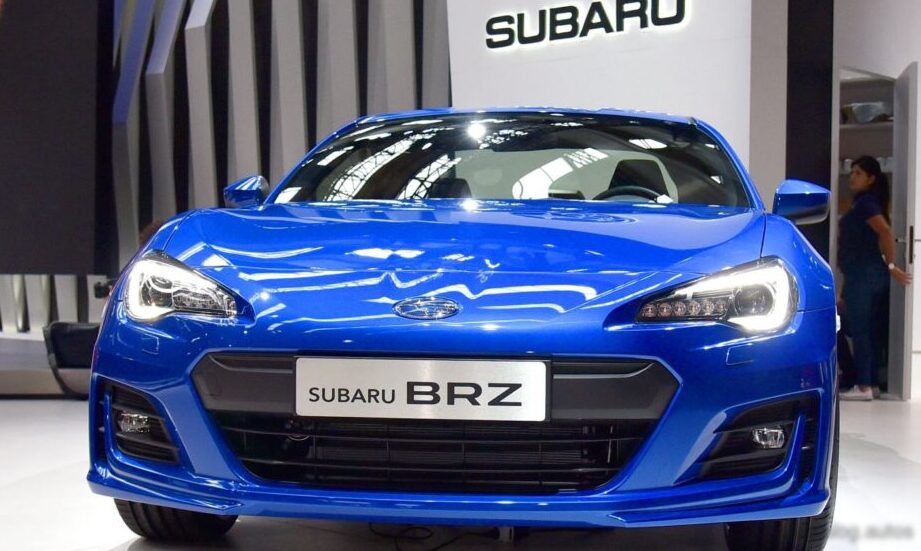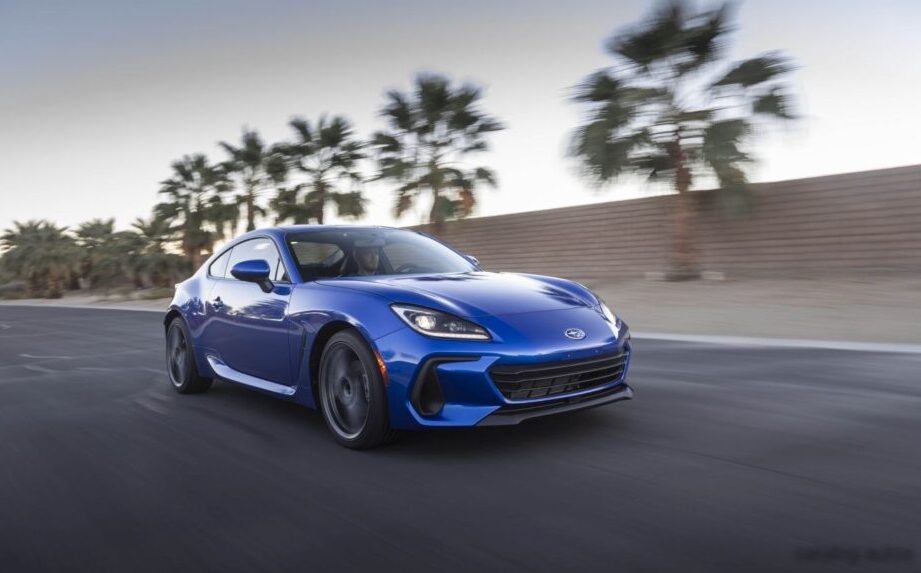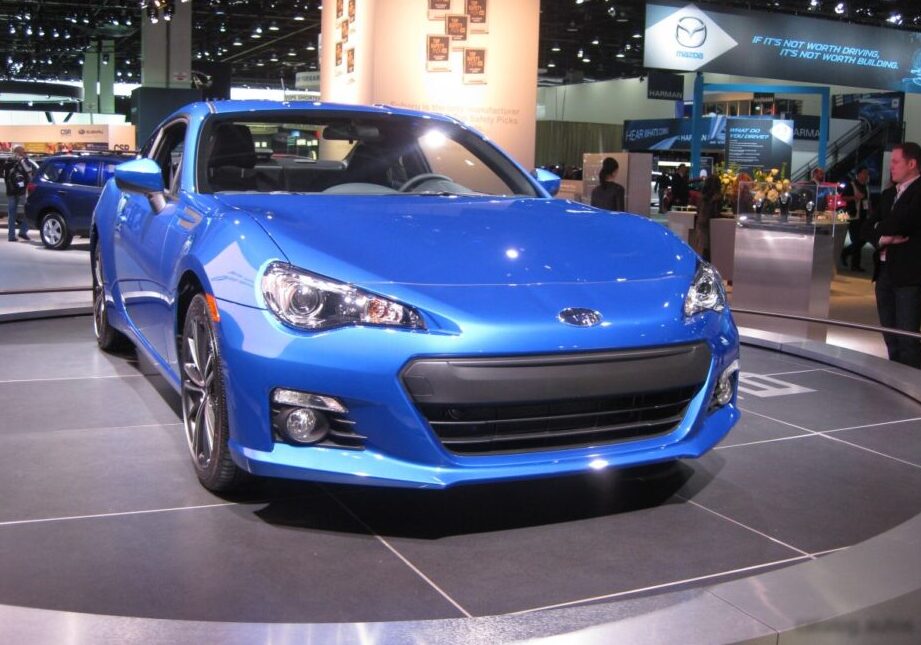
The Subaru BRZ, specifically the first generation “I” Premium 2.0 model produced between 2012 and 2016, represents a deliberate return to the roots of affordable, lightweight, rear-wheel-drive sports cars. Developed in collaboration with Toyota (resulting in the nearly identical Toyota 86/GT86), the BRZ aimed to recapture the spirit of classic coupes like the AE86 Corolla. The Premium 2.0 trim sat at the top of the BRZ lineup for those years, offering a balance of performance and features aimed at driving enthusiasts. It quickly gained a following for its engaging handling and accessible price point, becoming a popular choice for both track days and daily driving.
Technical Specifications
| Brand | Subaru |
| Model | BRZ |
| Generation | BRZ I |
| Type (Engine) | Premium 2.0 (200 Hp) |
| Start of production | 2012 |
| End of production | 2016 |
| Powertrain Architecture | Internal Combustion engine |
| Body type | Coupe |
| Seats | 4 |
| Doors | 2 |
| Fuel consumption (urban) | 10.4 l/100 km (22.6 US mpg) |
| Fuel consumption (extra urban) | 6.4 l/100 km (36.8 US mpg) |
| Fuel consumption (combined) | 7.8 l/100 km (30.2 US mpg) |
| Fuel Type | Petrol (Gasoline) |
| Acceleration 0 – 100 km/h | 7.6 sec |
| Acceleration 0 – 62 mph | 7.6 sec |
| Acceleration 0 – 60 mph | 7.2 sec |
| Maximum speed | 226 km/h (140.43 mph) |
| Weight-to-power ratio | 6.2 kg/Hp |
| Weight-to-torque ratio | 6 kg/Nm |
| Power | 200 Hp @ 7000 rpm |
| Torque | 205 Nm @ 6400-6600 rpm (151.2 lb.-ft.) |
| Engine layout | Front, Longitudinal |
| Engine Model/Code | FA20D |
| Engine displacement | 1998 cm3 (121.93 cu. in.) |
| Number of cylinders | 4 |
| Engine configuration | Boxer |
| Cylinder Bore | 86 mm (3.39 in.) |
| Piston Stroke | 86 mm (3.39 in.) |
| Compression ratio | 12.5:1 |
| Number of valves per cylinder | 4 |
| Fuel injection system | Direct injection |
| Engine aspiration | Naturally aspirated engine |
| Valvetrain | DOHC |
| Engine oil capacity | 5.4 l (5.71 US qt | 4.75 UK qt) |
| Coolant | 7.2 l (7.61 US qt | 6.34 UK qt) |
| Kerb Weight | 1239 kg (2731.53 lbs.) |
| Trunk (boot) space | 243 l (8.58 cu. ft.) |
| Fuel tank capacity | 50 l (13.21 US gal | 11 UK gal) |
| Length | 4240 mm (166.93 in.) |
| Width | 1775 mm (69.88 in.) |
| Height | 1425 mm (56.1 in.) |
| Wheelbase | 2570 mm (101.18 in.) |
| Front track | 1520 mm (59.84 in.) |
| Rear track | 1540 mm (60.63 in.) |
| Minimum turning circle | 10.8 m (35.43 ft.) |
| Drivetrain | Rear wheel drive |
| Number of gears | 6 gears, manual transmission |
| Front suspension | Independent type McPherson |
| Rear suspension | Double wishbone |
| Front brakes | Ventilated discs |
| Rear brakes | Ventilated discs |
| Assisting systems | ABS (Anti-lock braking system) |
| Steering type | Steering rack and pinion |
| Tires size | 215/45 R17 |
| Wheel rims size | 7J x 17 |
Introduction
The Subaru BRZ I Premium 2.0, launched in 2012, marked Subaru’s re-entry into the rear-wheel-drive sports car segment after a long hiatus. Built on the A86 platform shared with the Toyota 86/GT86, the BRZ was designed with a focus on balanced handling and driver engagement. The “I” designation refers to the first generation of the BRZ, produced through 2016. The Premium trim level represented the higher specification within the initial BRZ range, adding features like keyless entry, upgraded interior materials, and a rear spoiler compared to the base model. It was primarily sold in North America, Europe, and Japan, appealing to enthusiasts seeking an affordable and fun-to-drive sports coupe.
Powertrain & Engine Architecture
At the heart of the BRZ Premium 2.0 lies the FA20D 2.0-liter naturally aspirated boxer-four engine. This engine is a key component of the car’s character, offering a relatively high-revving power delivery. The boxer configuration, with its horizontally opposed pistons, contributes to a low center of gravity, enhancing handling stability. The FA20D utilizes direct fuel injection, maximizing combustion efficiency and power output. The engine produces 200 horsepower at 7,000 rpm and 151.2 lb-ft of torque between 6,400 and 6,600 rpm. The engine’s valvetrain features dual overhead camshafts (DOHC) and four valves per cylinder. The Premium trim was exclusively offered with a 6-speed manual transmission, prioritizing driver control and engagement. The transmission features a short-throw shifter for precise gear changes.
Driving Characteristics
The BRZ Premium 2.0’s driving experience is defined by its balanced chassis and responsive handling. The rear-wheel-drive layout, combined with the low center of gravity, allows for neutral cornering behavior and predictable handling limits. While the 200 horsepower output isn’t overwhelming, the engine’s willingness to rev and the car’s light weight (around 2,732 lbs) provide brisk acceleration. The 6-speed manual transmission enhances the driving experience, allowing drivers to fully exploit the engine’s powerband. The gear ratios are well-matched for spirited driving, providing good acceleration in each gear. Compared to a hypothetical higher-output turbocharged version, the naturally aspirated engine offers a more linear power delivery, making it easier to control and predict. However, it lacks the low-end torque of a turbocharged engine, requiring drivers to keep the engine revving to maintain momentum.
Equipment & Trim Levels
The BRZ Premium 2.0 came standard with a number of features designed to enhance both comfort and driving enjoyment. Interior appointments included sport seats upholstered in a combination of leather and Alcantara, a leather-wrapped steering wheel, and aluminum pedal covers. Standard equipment also included keyless entry, a premium audio system, and a rear spoiler. Optional extras included a navigation system, and upgraded speakers. The dashboard layout is driver-focused, with clearly visible gauges and intuitive controls. The interior, while not luxurious, is well-built and functional.
Chassis & Braking
The BRZ’s chassis is designed for optimal handling and rigidity. It features independent McPherson struts at the front and a double wishbone suspension at the rear. The suspension is tuned for a balance between comfort and performance, providing a firm but controlled ride. The braking system consists of ventilated discs at all four corners, providing ample stopping power. Anti-lock brakes (ABS) are standard. The BRZ’s relatively light weight contributes to its excellent braking performance. The car’s suspension setup is optimized for the weight distribution, resulting in minimal body roll during cornering.
Market Reception & Comparison
The Subaru BRZ Premium 2.0 was generally well-received by automotive critics. It was praised for its engaging handling, balanced chassis, and affordable price. Some critics noted the engine’s lack of low-end torque, but most agreed that the overall driving experience more than compensated for this shortcoming. Compared to other sports cars in its price range, the BRZ offered a unique combination of rear-wheel-drive handling and affordability. Compared to the base model BRZ, the Premium trim offered a more refined interior and additional features, justifying the slightly higher price. Fuel economy was also a strong point, with the BRZ achieving around 30 mpg combined.
Legacy
The Subaru BRZ I Premium 2.0 has established a strong following among driving enthusiasts. Its simple, lightweight design and engaging handling have made it a popular choice for track days and autocross events. The FA20D engine has proven to be relatively reliable, although regular maintenance is essential. On the used car market, the BRZ Premium 2.0 holds its value well, reflecting its desirability and reputation for fun-to-drive performance. The first-generation BRZ paved the way for the second-generation model, which addressed some of the criticisms of the original while retaining its core values of balanced handling and driver engagement. It remains a compelling option for those seeking an affordable and enjoyable sports car experience.