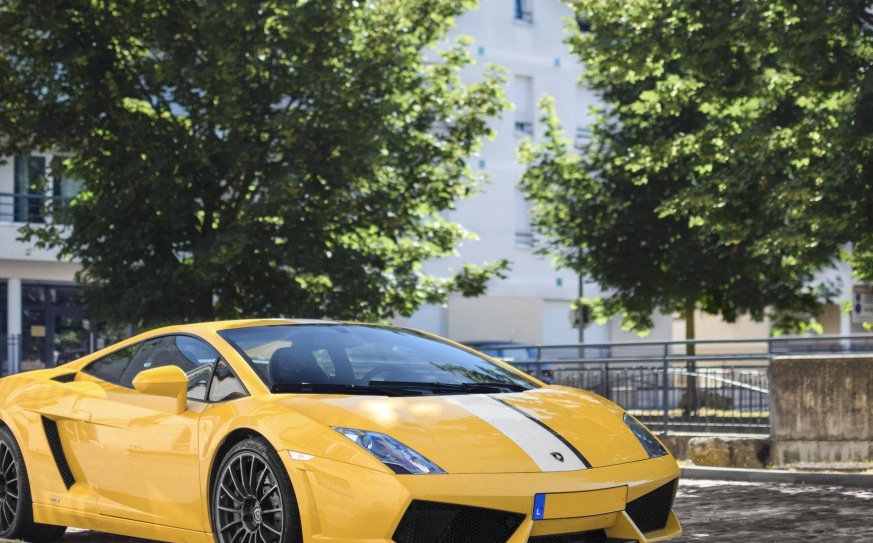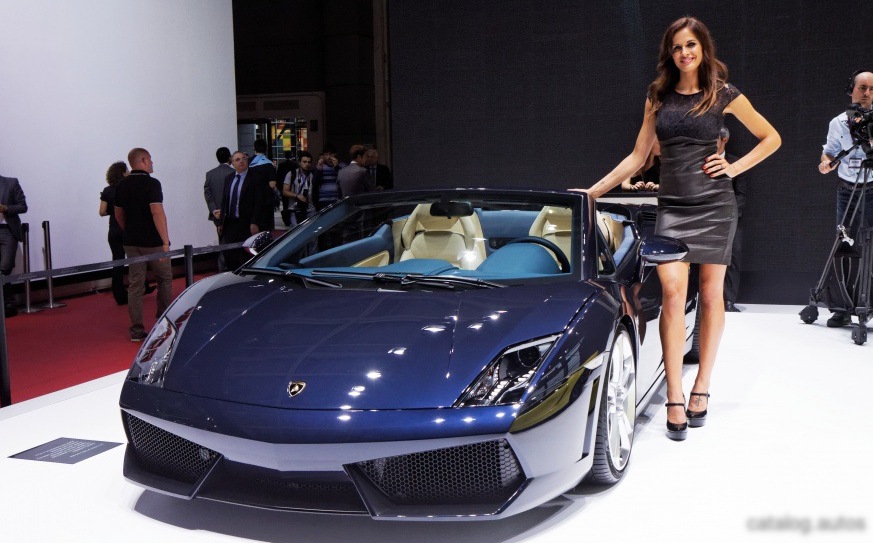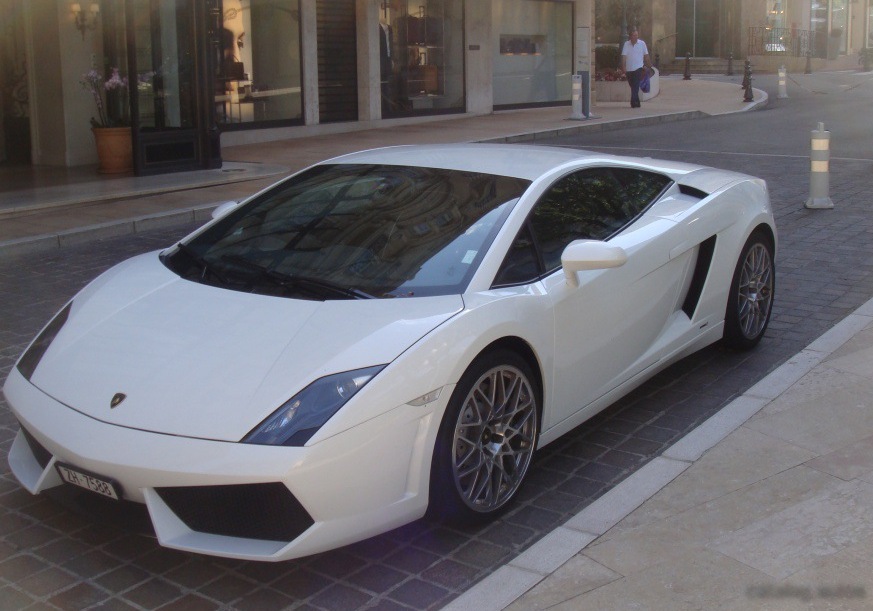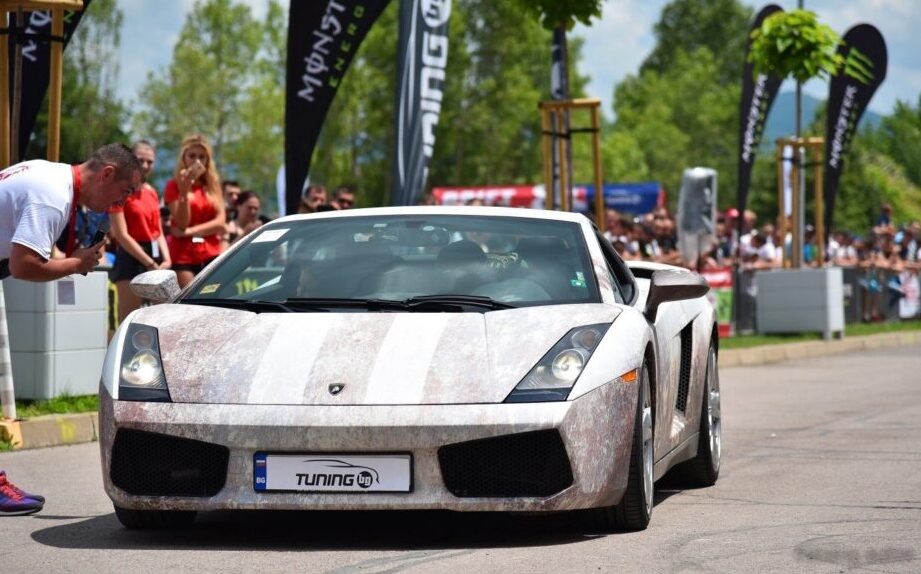
The Lamborghini Gallardo Coupe 5.0 V10, produced from 2003 to 2005, represents the initial iteration of Lamborghini’s entry-level model, designed to broaden the brand’s appeal and increase production volume. Positioned as a direct competitor to the Ferrari 360 Modena and other mid-engine supercars, the Gallardo marked a significant departure for Lamborghini, utilizing a new platform and a naturally aspirated 5.0-liter V10 engine. This first generation, internally designated as the 1J9, established the core design language and performance characteristics that would define the Gallardo lineage for the next decade. The 500 horsepower AWD variant was the flagship model during its initial production run, setting the standard for performance and luxury within the Gallardo range.
Technical Specifications
| Brand | Lamborghini |
| Model | Gallardo |
| Generation | Gallardo Coupe |
| Type (Engine) | 5.0 V10 (500 Hp) AWD |
| Start of production | 2003 |
| End of production | 2005 |
| Powertrain Architecture | Internal Combustion engine |
| Body type | Coupe |
| Seats | 2 |
| Doors | 2 |
| Fuel consumption (urban) | 29.1 l/100 km (8.1 US mpg, 9.7 UK mpg, 3.4 km/l) |
| Fuel consumption (extra urban) | 13.9 l/100 km (16.9 US mpg, 20.3 UK mpg, 7.2 km/l) |
| Fuel consumption (combined) | 19.5 l/100 km (12.1 US mpg, 14.5 UK mpg, 5.1 km/l) |
| CO2 emissions | 450 g/km |
| Fuel Type | Petrol (Gasoline) |
| Acceleration 0 – 100 km/h | 4.2 sec |
| Acceleration 0 – 62 mph | 4.2 sec |
| Acceleration 0 – 60 mph | 4 sec |
| Maximum speed | 309 km/h (192 mph) |
| Emission standard | Euro 3 |
| Weight-to-power ratio | 3.2 kg/Hp, 310.2 Hp/tonne |
| Weight-to-torque ratio | 3.2 kg/Nm, 316.4 Nm/tonne |
| Power | 500 Hp @ 7800 rpm |
| Power per litre | 100.8 Hp/l |
| Torque | 510 Nm @ 4500 rpm (376.16 lb.-ft. @ 4500 rpm) |
| Engine layout | Middle, Longitudinal |
| Engine Model/Code | 07L |
| Engine displacement | 4961 cm3 (302.74 cu. in.) |
| Number of cylinders | 10 |
| Engine configuration | V-engine |
| Cylinder Bore | 82.5 mm (3.25 in.) |
| Piston Stroke | 92.8 mm (3.65 in.) |
| Compression ratio | 11:1 |
| Number of valves per cylinder | 4 |
| Fuel injection system | Multi-port manifold injection |
| Engine aspiration | Naturally aspirated engine |
| Valvetrain | DOHC, VVT |
| Engine oil capacity | 9.5 l (10.04 US qt | 8.36 UK qt) |
| Coolant | 21 l (22.19 US qt | 18.48 UK qt) |
| Kerb Weight | 1612 kg (3553.85 lbs.) |
| Max. weight | 1800 kg (3968.32 lbs.) |
| Max load | 188 kg (414.47 lbs.) |
| Trunk (boot) space – minimum | 110 l (3.88 cu. ft.) |
| Fuel tank capacity | 90 l (23.78 US gal | 19.8 UK gal) |
| Length | 4300 mm (169.29 in.) |
| Width | 1900 mm (74.8 in.) |
| Height | 1165 mm (45.87 in.) |
| Wheelbase | 2560 mm (100.79 in.) |
| Front track | 1622 mm (63.86 in.) |
| Rear (Back) track | 1592 mm (62.68 in.) |
| Drag coefficient (Cd) | 0.36 |
| Minimum turning circle | 11.5 m (37.73 ft.) |
| Drive wheel | All wheel drive (4×4) |
| Number of gears | 6 |
| Gearbox type | Manual transmission |
| Front suspension | Double wishbone |
| Rear suspension | Double wishbone |
| Front brakes | Ventilated discs |
| Rear brakes | Ventilated discs |
| Assisting systems | ABS (Anti-lock braking system) |
| Steering type | Steering rack and pinion |
| Tires size | 235/35 R19; 295/30 R19 |
| Wheel rims size | 8.5J x 19; 11J x 19 |
Powertrain & Engine Architecture
The heart of the early Gallardo is the 07L engine, a 4.961-liter naturally aspirated V10. This engine, derived from Audi’s modular engine family, features a 90-degree V-angle and utilizes an aluminum alloy block and cylinder heads. It employs multi-point fuel injection and double overhead camshafts (DOHC) with variable valve timing (VVT) on both intake and exhaust valves. The engine produces 500 horsepower at 7,800 rpm and 376 lb-ft of torque at 4,500 rpm. The initial Gallardo was exclusively offered with a six-speed manual transmission, delivering power to all four wheels via Lamborghini’s Viscous Traction (VT) all-wheel-drive system. This system normally distributes 30% of the power to the front axle and 70% to the rear, but can dynamically adjust the distribution based on traction conditions.
Driving Characteristics
The Gallardo Coupe 5.0 V10 delivers a raw and engaging driving experience. The naturally aspirated V10 provides a linear power delivery, building to a thrilling crescendo at high RPMs. Acceleration is rapid, with 0-60 mph times consistently around 4 seconds. The all-wheel-drive system provides exceptional grip and stability, inspiring confidence even in challenging conditions. Compared to later Gallardo models with the e-gear automated manual transmission, the six-speed manual offers a more direct and connected feel. While not as technologically advanced as some contemporary supercars, the Gallardo’s mechanical purity and responsive chassis make it a rewarding car to drive. The relatively high weight (around 3,550 lbs) is noticeable, but the powerful engine and capable chassis largely compensate for it.
Equipment & Trim Levels
The base Gallardo Coupe 5.0 V10 came standard with a relatively sparse, but functional, interior. Standard features included leather upholstery, power windows and locks, air conditioning, and a basic audio system. Optional extras were plentiful, allowing buyers to personalize their Gallardo with features such as upgraded audio systems, navigation, carbon fiber interior trim, and various exterior styling enhancements. The interior design prioritized a driver-focused layout, with a simple dashboard and ergonomically positioned controls.
Chassis & Braking
The Gallardo utilizes a space frame chassis constructed from aluminum, providing a rigid and lightweight foundation. The suspension consists of double wishbones at all four corners, with adjustable dampers and anti-roll bars. Braking duties are handled by ventilated disc brakes with ABS. The early Gallardo models featured relatively large brake rotors, providing ample stopping power. The steering is a rack-and-pinion system, offering precise and responsive control.
Market Reception & Comparison
The Lamborghini Gallardo was widely praised by automotive critics for its stunning design, exhilarating performance, and relatively accessible price point (compared to other Lamborghini models). It was seen as a successful attempt to broaden Lamborghini’s appeal and compete more effectively in the supercar market. Compared to the Ferrari 360 Modena, the Gallardo offered a more aggressive styling and a more visceral driving experience. However, the Ferrari was often praised for its more refined interior and slightly more balanced handling. Fuel economy was, unsurprisingly, poor, averaging around 12 mpg in combined driving. Reliability was generally good for a supercar, but maintenance costs were high due to the complex engine and specialized components.
Legacy
The Gallardo proved to be a pivotal model for Lamborghini, significantly increasing sales and establishing the brand as a serious contender in the supercar segment. The 5.0-liter V10 engine, while later superseded by a 5.2-liter version, remains a highly regarded powerplant. Today, the early Gallardo Coupe 5.0 V10 is a sought-after collector’s car, appreciated for its raw performance, iconic design, and relative rarity. While maintenance can be expensive, the Gallardo’s robust construction and readily available parts supply ensure that it remains a viable and enjoyable supercar for enthusiasts.