
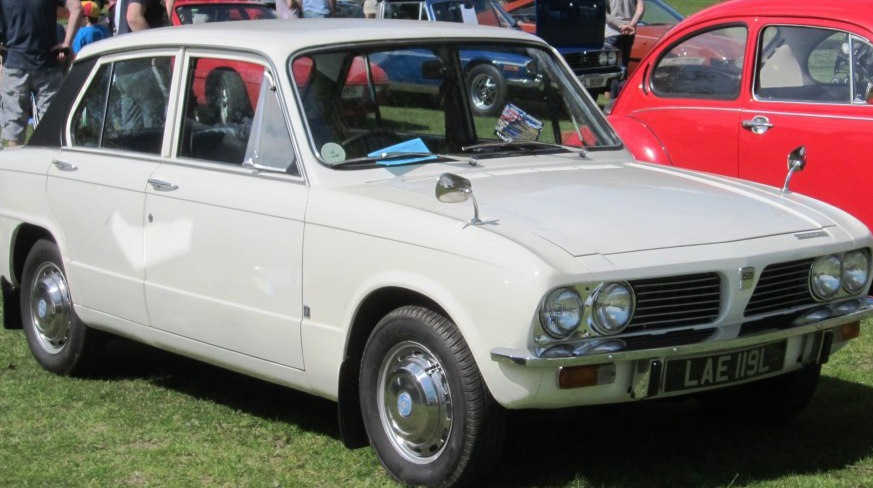
The Triumph 1500, produced between 1972 and 1974, represented a significant step in the modernization of the Triumph sedan lineup. Positioned as a replacement for the Triumph Herald, the 1500 aimed to offer a more contemporary design and improved mechanicals while retaining the affordability that had made the Herald popular. This particular variant, equipped with the 1.5-liter engine producing 66 horsepower, served as the entry point into the 1500 range, offering a balance between economy and usability. It was a key model for Triumph during a period of transition, bridging the gap between older designs and the more sophisticated models that would follow. The 1500 was built on a new platform, offering improved handling and comfort compared to its predecessor, and was primarily marketed towards the UK domestic market, with limited exports to other regions.
Technical Specifications
| Brand | Triumph |
| Model | 1500 |
| Generation | 1500 |
| Type (Engine) | 1.5 (66 Hp) |
| Start of Production | 1972 |
| End of Production | 1974 |
| Powertrain Architecture | Internal Combustion Engine |
| Body Type | Sedan |
| Fuel Type | Petrol (Gasoline) |
| Power | 66 Hp |
| Engine Aspiration | Naturally Aspirated |
Powertrain & Engine Architecture
The heart of the Triumph 1500 1.5 was the Standard-Triumph 1493 cc (91.0 cu in) inline-four cylinder engine. This engine, designated as the SAH, was a relatively simple design, featuring a cast iron block and cylinder head, and a single overhead camshaft operating the valves. The engine utilized a Zenith 36WE carburetor for fuel delivery, a common setup for the time, providing adequate but not exceptional performance. The engine’s 66 horsepower output at 5,000 rpm and 87 lb-ft of torque at 3,000 rpm were considered modest even for the early 1970s, but were sufficient for comfortable cruising and everyday driving. The engine was paired exclusively with a four-speed manual gearbox in the base 1500 model. The engine’s design prioritized reliability and ease of maintenance over outright power, making it a practical choice for the average driver. The valvetrain employed pushrods and rockers, a cost-effective solution that contributed to the engine’s simplicity. The engine’s cooling system was a conventional water-cooled setup with a radiator and thermostat.
Driving Characteristics
The Triumph 1500 1.5, with its 66 horsepower and four-speed manual transmission, offered a driving experience best described as relaxed and unhurried. Acceleration was adequate for merging into traffic and maintaining highway speeds, but it wasn’t a particularly sporty car. The four-speed gearbox provided reasonable gear spacing, but the lack of an overdrive gear meant that engine speeds could be relatively high at cruising speeds, impacting fuel economy and noise levels. The car’s suspension, featuring independent front suspension with coil springs and a live axle rear suspension with leaf springs, provided a comfortable ride, absorbing bumps and imperfections in the road surface effectively. However, the handling wasn’t particularly sharp, and the car exhibited noticeable body roll in corners. The steering was relatively light, making it easy to maneuver in town, but lacked the precision of more modern steering systems. Compared to the later 1500 TC model, which featured a more powerful engine and a close-ratio gearbox, the base 1500 felt noticeably slower and less engaging to drive. The 1500’s braking system, consisting of disc brakes on the front wheels and drum brakes on the rear, provided adequate stopping power, but lacked the responsiveness of fully disc-braked systems.
Equipment & Trim Levels
The Triumph 1500 1.5 was positioned as the entry-level model in the 1500 range, and as such, it came equipped with a relatively basic level of standard features. The interior typically featured cloth upholstery, vinyl door panels, and a simple dashboard layout. Standard equipment included a heater, windscreen wipers, and basic instrumentation, including a speedometer, fuel gauge, and temperature gauge. Optional extras included a radio, reclining front seats, and a sunroof. The exterior trim was relatively understated, with chrome bumpers and brightwork providing a touch of elegance. The 1500’s interior was functional and practical, but lacked the refinement of more luxurious cars of the era. The dashboard layout was straightforward and easy to use, with all the essential controls within easy reach of the driver. The seats provided adequate support for short journeys, but could become uncomfortable on longer trips. The 1500’s trim levels were fairly limited, with most cars being equipped with the standard features described above. However, some minor variations in interior trim and exterior colors were available.
Chassis & Braking
The Triumph 1500 utilized a monocoque chassis construction, providing a good balance between strength and weight. The front suspension employed independent wishbones with coil springs and an anti-roll bar, contributing to a relatively comfortable ride and decent handling. The rear suspension featured a live axle with leaf springs, a more traditional design that was cost-effective but less sophisticated than independent rear suspension. The braking system consisted of Girling disc brakes on the front wheels and Girling drum brakes on the rear wheels. While adequate for the car’s weight and performance, the drum brakes on the rear wheels limited the overall braking effectiveness. The steering was a cam and peg type, providing relatively light steering effort but lacking the precision of rack and pinion steering. The 1500 rode on 165-80R14 tires, which provided a reasonable level of grip on dry roads. The chassis design prioritized comfort and practicality over outright performance, making the 1500 a pleasant and easy-to-drive car.
Market Reception & Comparison
The Triumph 1500 1.5 received generally positive reviews from automotive critics, who praised its comfortable ride, practical interior, and affordable price. However, some critics noted that the engine’s performance was somewhat underwhelming, and that the car lacked the sporty character of some of its rivals. Compared to the Ford Cortina and Vauxhall Victor, the 1500 offered a more refined driving experience and a more stylish design, but was generally more expensive. The 1500 TC model, with its more powerful engine and close-ratio gearbox, was generally considered to be a more desirable car than the base 1500. Fuel economy for the 1500 1.5 was around 28-32 mpg, which was reasonable for the early 1970s. Reliability was generally good, although some owners reported issues with the Zenith carburetor and the electrical system. The 1500’s relatively simple mechanicals made it relatively easy to maintain and repair, which appealed to many owners.
Legacy
The Triumph 1500, while not a groundbreaking car, played an important role in the evolution of the Triumph lineup. It provided a much-needed update to the aging Herald, offering a more modern design and improved mechanicals. The 1500’s simple and reliable engine made it a popular choice for everyday drivers, and its comfortable ride and practical interior ensured its continued appeal. Today, the Triumph 1500 is a relatively rare sight on the road, but it remains a popular choice among classic car enthusiasts. Parts availability can be a challenge, but a dedicated network of Triumph specialists and suppliers exists to support owners. Well-maintained examples of the 1500 1.5 can fetch reasonable prices in the used car market, reflecting their growing popularity as a classic British saloon. The 1500’s legacy lies in its ability to provide affordable and reliable transportation during a period of significant change in the automotive industry.
