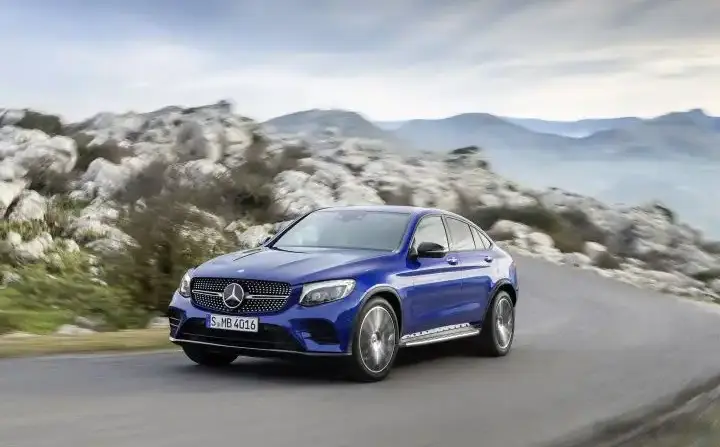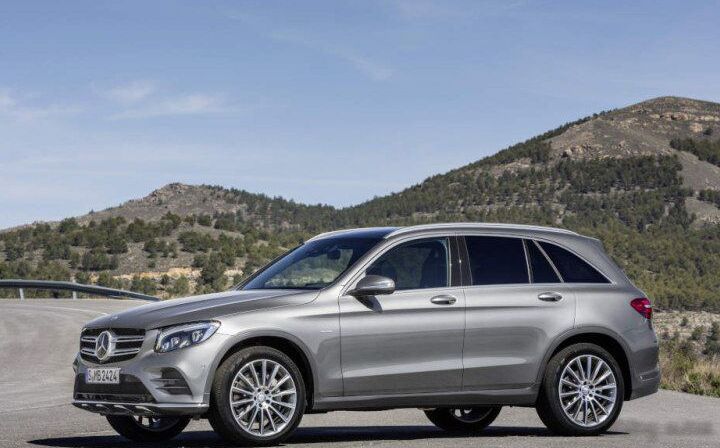
The Mercedes-Benz GLC 300 9G-TRONIC, produced from 2015 to 2019 as part of the X253 generation GLC SUV, represented a significant entry point into the luxury compact SUV segment for the German automaker. Positioned as a mid-range offering within the GLC lineup, it bridged the gap between the base GLC 250 and the performance-oriented AMG variants. This model aimed to deliver a balance of comfort, technology, and respectable performance, appealing to buyers seeking a premium SUV experience without the higher price tag of the top-tier trims. The X253 GLC was Mercedes-Benz’s first dedicated compact SUV, replacing the GLK-Class, and quickly became a popular model for the brand.
Technical Specifications
| Brand | Mercedes-Benz |
| Model | GLC |
| Generation | GLC SUV (X253) |
| Type (Engine) | GLC 300 (241 Hp) 9G-TRONIC |
| Start of production | 2015 |
| End of production | 2019 |
| Powertrain Architecture | Internal Combustion engine |
| Body type | SUV |
| Seats | 5 |
| Doors | 5 |
| Fuel consumption (economy) – urban (EPA) | 10.7 l/100 km (22 US mpg, 26.4 UK mpg, 9.3 km/l) |
| Fuel consumption (economy) – extra urban (EPA) | 8.4 l/100 km (28 US mpg, 33.6 UK mpg, 11.9 km/l) |
| Fuel consumption (economy) – combined (EPA) | 9.8 l/100 km (24 US mpg, 28.8 UK mpg, 10.2 km/l) |
| Fuel Type | Petrol (Gasoline) |
| Acceleration 0 – 60 mph | 6.3 sec |
| Maximum speed | 210 km/h (130.49 mph), Electronically limited |
| Weight-to-power ratio | 7.3 kg/Hp, 136.5 Hp/tonne |
| Weight-to-torque ratio | 4.8 kg/Nm, 209.6 Nm/tonne |
| Power | 241 Hp @ 5500 rpm |
| Power per litre | 121 Hp/l |
| Torque | 370 Nm @ 1300-4000 rpm (272.9 lb.-ft. @ 1300-4000 rpm) |
| Maximum engine speed | 6500 rpm |
| Engine layout | Front, Longitudinal |
| Engine Model/Code | M 274.920 |
| Engine displacement | 1991 cm3 (121.5 cu. in.) |
| Number of cylinders | 4 |
| Engine configuration | Inline |
| Cylinder Bore | 83 mm (3.27 in.) |
| Piston Stroke | 92 mm (3.62 in.) |
| Compression ratio | 9.8:1 |
| Number of valves per cylinder | 4 |
| Fuel injection system | Direct injection |
| Engine aspiration | Turbocharger, Intercooler |
| Valvetrain | DOHC |
| Engine oil capacity | 6.5 l (6.87 US qt | 5.72 UK qt) |
| Coolant | 9 l (9.51 US qt | 7.92 UK qt) |
| Kerb Weight | 1765 kg (3891.16 lbs.) |
| Max. weight | 2306 kg (5083.86 lbs.) |
| Max load | 541 kg (1192.7 lbs.) |
| Trunk (boot) space – minimum | 550 l (19.42 cu. ft.) |
| Trunk (boot) space – maximum | 1600 l (56.5 cu. ft.) |
| Fuel tank capacity | 66 l (17.44 US gal | 14.52 UK gal) |
| Max. roof load | 75 kg (165.35 lbs.) |
| Permitted trailer load with brakes (12%) | 1588 kg (3500.94 lbs.) |
| Length | 4656 mm (183.31 in.) |
| Width | 1890 mm (74.41 in.) |
| Width including mirrors | 2096 mm (82.52 in.) |
| Height | 1639 mm (64.53 in.) |
| Wheelbase | 2873 mm (113.11 in.) |
| Front track | 1621 mm (63.82 in.) |
| Rear (Back) track | 1617 mm (63.66 in.) |
| Front overhang | 831 mm (32.72 in.) |
| Rear overhang | 952 mm (37.48 in.) |
| Minimum turning circle (turning diameter) | 11.8 m (38.71 ft.) |
| Ramp-over (brakeover) angle | 12.2° |
| Climb angle | 35° |
| Drivetrain Architecture | The Internal combustion engine (ICE) drives the rear wheels of the vehicle. |
| Drive wheel | Rear wheel drive |
| Number of gears and type of gearbox | 9 gears, automatic transmission G-TRONIC |
| Front suspension | Coil spring, Independent multi-link suspension, Transverse stabilizer |
| Rear suspension | Independent multi-link spring suspension with stabilizer |
| Front brakes | Ventilated discs, 343×33 mm |
| Rear brakes | Ventilated discs, 320×23 mm |
| Assisting systems | ABS (Anti-lock braking system) |
| Steering type | Steering rack and pinion |
| Power steering | Electric Steering |
| Tires size | 235/60 R18 |
| Wheel rims size | 8J x 18 |
Powertrain & Engine Architecture
The GLC 300 utilized Mercedes-Benz’s M274.920 2.0-liter turbocharged inline-four cylinder engine. This engine is a member of the modular M274 family, known for its efficiency and relatively smooth power delivery. The engine featured direct fuel injection, a single scroll turbocharger, and a double overhead camshaft (DOHC) valvetrain with four valves per cylinder. The turbocharger and intercooler were crucial for boosting power output and mitigating turbo lag. The engine produced 241 horsepower at 5,500 rpm and 273 lb-ft of torque between 1,300 and 4,000 rpm. This broad torque curve contributed to good responsiveness in everyday driving situations. Paired with the engine was the 9G-TRONIC nine-speed automatic transmission. This transmission was designed to improve fuel economy and provide smoother shifts compared to older automatic gearboxes. The 9G-TRONIC featured a wide gear ratio spread, allowing the engine to operate in its most efficient range more often.
Driving Characteristics
The GLC 300 9G-TRONIC offered a comfortable and refined driving experience. While not a sports SUV, the 241 hp engine provided adequate acceleration, achieving 0-60 mph in approximately 6.3 seconds. The nine-speed transmission contributed to relaxed highway cruising, with the engine operating at low rpm at higher speeds. The transmission’s programming prioritized smoothness and fuel efficiency over aggressive shifting. Compared to the more powerful GLC 43 AMG, the 300 felt less urgent in its acceleration, but it offered a more fuel-efficient and comfortable ride. The automatic transmission, while generally smooth, could occasionally exhibit slight hesitation during downshifts. The rear-wheel drive configuration provided a balanced feel, although all-wheel drive (4MATIC) was a popular option, enhancing traction in inclement weather.
Equipment & Trim Levels
The GLC 300 came standard with a generous array of features, including automatic climate control, power-adjustable front seats, a rearview camera, and the COMAND infotainment system with a 7-inch display screen. Upholstery was typically MB-Tex synthetic leather, with genuine leather available as an option. Popular optional extras included a panoramic sunroof, a premium sound system, navigation, and a suite of driver-assistance features such as blind-spot monitoring, lane-keeping assist, and adaptive cruise control. Trim levels were relatively simple, with options packages allowing buyers to customize their vehicle. The interior design emphasized luxury and modernity, with high-quality materials and a clean, uncluttered layout.
Chassis & Braking
The GLC 300 featured a sophisticated suspension system designed to balance comfort and handling. The front suspension utilized coil springs and an independent multi-link setup with a transverse stabilizer bar. The rear suspension also employed an independent multi-link design with a stabilizer bar. The braking system consisted of ventilated discs on all four wheels, providing ample stopping power. ABS (Anti-lock Braking System) was standard. The suspension tuning was geared towards providing a comfortable ride, absorbing bumps and imperfections in the road effectively. The steering was precise and well-weighted, offering a confident feel.
Market Reception & Comparison
The GLC 300 was generally well-received by automotive critics. It was praised for its comfortable ride, refined interior, and fuel efficiency. However, some reviewers noted that the engine could feel slightly underpowered, particularly when fully loaded. Compared to competitors such as the BMW X3 and Audi Q5, the GLC 300 offered a similar level of luxury and technology, but with a slightly more comfort-oriented driving experience. Fuel economy was competitive, averaging around 24 mpg in combined driving. Reliability reports were generally positive, with few major issues reported.
Legacy
The Mercedes-Benz GLC 300 (X253) has proven to be a reliable and durable SUV. The M274 engine, while not without its potential issues (such as occasional oil consumption), has generally held up well over time. The 9G-TRONIC transmission has also proven to be relatively robust. On the used car market, the GLC 300 remains a popular choice, offering a good balance of luxury, features, and affordability. Its reputation for reliability and comfortable ride continues to attract buyers seeking a premium compact SUV.