
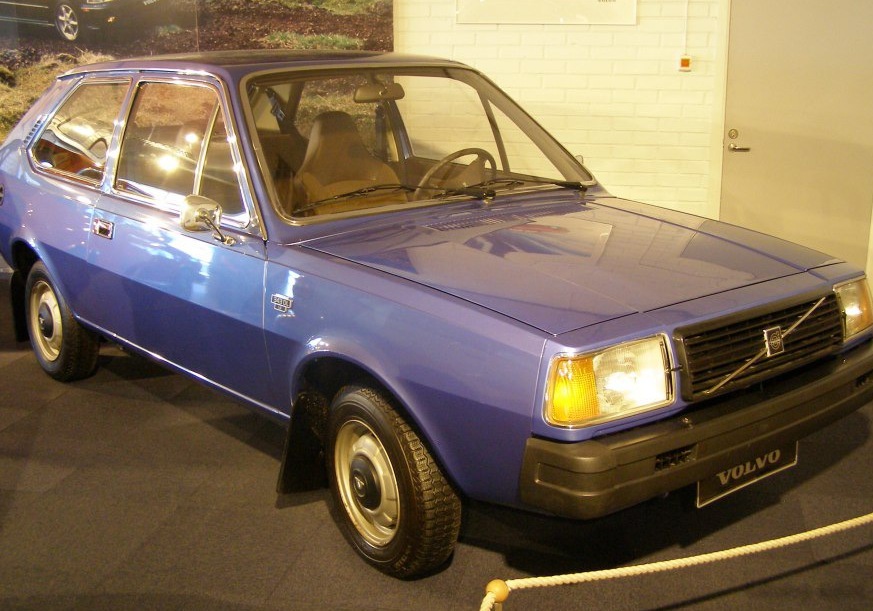
The Volvo 340 and 360 series, specifically the 343 and 345 models equipped with the 2.0-liter B200E engine producing 118 horsepower, represented a significant departure for the Swedish automaker. Produced from 1984 to 1986, this variant occupied a middle ground within the 340/360 lineup, offering a balance between affordability and performance. It was a key component of Volvo’s attempt to modernize and broaden its appeal in the compact car segment, moving away from the traditionally boxy designs and focusing on a more contemporary, albeit still distinctly Volvo, aesthetic. This model was primarily aimed at the North American and European markets, offering a practical and reliable family vehicle.
Technical Specifications
| Brand | Volvo |
| Model | 340-360 (343, 345) |
| Generation | 340-360 (343, 345) |
| Type (Engine) | 2.0 (118 Hp) |
| Start of Production | 1984 |
| End of Production | 1986 |
| Powertrain Architecture | Internal Combustion Engine |
| Body Type | Hatchback |
| Fuel Type | Petrol (Gasoline) |
| Power | 118 Hp |
| Engine Model/Code | B200E |
| Engine Aspiration | Naturally Aspirated |
| Engine Oil Capacity | 4.5 l (4.76 US qt | 3.96 UK qt) |
| Coolant Capacity | 7 l (7.4 US qt | 6.16 UK qt) |
Powertrain & Engine Architecture
The heart of the 340/360 2.0 was the B200E engine, a 1,986 cc (121.1 cu in) inline-four cylinder. This engine was a relatively simple design, featuring a cast iron block and an aluminum cylinder head. It utilized a Bosch K-Jetronic mechanical fuel injection system, a hallmark of Volvo’s engineering during this period, known for its reliability and relatively clean emissions. The B200E featured a single overhead camshaft (SOHC) valvetrain with two valves per cylinder. While not a particularly high-revving engine, it delivered a respectable 118 horsepower at 5,200 rpm and 130 lb-ft of torque at 3,500 rpm. The engine was typically paired with a four-speed automatic transmission, although a five-speed manual was also available. The automatic transmission, while providing ease of use, was not known for its sporty performance and contributed to slightly slower acceleration times compared to the manual version.
Driving Characteristics
The 2.0-liter automatic 340/360 offered a comfortable, if not exhilarating, driving experience. The automatic transmission’s gear ratios were geared towards fuel efficiency and smooth cruising rather than rapid acceleration. Acceleration from 0 to 60 mph was typically in the 11-12 second range, making it competitive with other compact cars of the era, but noticeably slower than the manual transmission variants or the later 360 GLT models with more powerful engines. The suspension, consisting of MacPherson struts in the front and a solid axle with trailing arms in the rear, provided a reasonably comfortable ride, absorbing bumps and imperfections in the road effectively. However, the solid rear axle could lead to some body roll during cornering. Steering was relatively light and precise, making it easy to maneuver in urban environments.
Equipment & Trim Levels
The 2.0-liter automatic 340/365 typically came with a fairly standard level of equipment. Base models featured cloth upholstery, a basic AM/FM radio, and manual windows and locks. Higher trim levels, often denoted by the “GL” designation, added features such as upgraded upholstery, a more sophisticated stereo system, and power windows and locks. Optional extras included a sunroof, air conditioning, and alloy wheels. Interior design was functional and typically Scandinavian in its simplicity, prioritizing practicality and durability over lavishness. The hatchback configuration provided ample cargo space, making it a versatile vehicle for families and those needing to transport larger items.
Chassis & Braking
The Volvo 340/360 featured a unibody construction, providing a good balance of strength and weight. The front suspension utilized MacPherson struts, coil springs, and an anti-roll bar. The rear suspension employed a solid axle with trailing arms, coil springs, and a stabilizer bar. Braking systems varied depending on the year and market. Early models often featured drum brakes on the rear wheels, while later models and higher trim levels were equipped with disc brakes all around. The braking system was generally considered adequate for the vehicle’s weight and performance, providing reliable stopping power in most conditions. Power steering was not standard on all models, and many were equipped with manual steering, which required more effort at low speeds.
Market Reception & Comparison
The 2.0-liter automatic 340/360 received generally positive reviews for its reliability, safety, and practicality. Critics praised Volvo’s commitment to safety features, which were ahead of their time for a compact car. However, the automatic transmission was often criticized for its sluggish performance and lack of responsiveness. Compared to the manual transmission versions, the automatic models were noticeably slower and less engaging to drive. The 2.0-liter engine offered a good compromise between fuel economy and power, but it lacked the punch of the later 360 GLT models with their more powerful engines. Fuel economy was respectable for the era, averaging around 25-30 mpg in combined driving.
Legacy
The Volvo 340/360 series, including the 2.0-liter automatic variant, established Volvo as a maker of safe, reliable, and practical cars. While not a performance icon, the B200E engine proved to be remarkably durable and capable of high mileage with proper maintenance. Today, these cars are becoming increasingly sought after by enthusiasts and collectors, particularly well-maintained examples. The 2.0-liter automatic models are generally more affordable than the higher-performance GLT versions, making them an accessible entry point into the world of classic Volvo ownership. Common issues with these vehicles include rust, particularly in areas with harsh winters, and wear and tear on the K-Jetronic fuel injection system. However, parts availability remains relatively good, and the simple mechanical design makes them relatively easy to repair for those with some mechanical aptitude.
