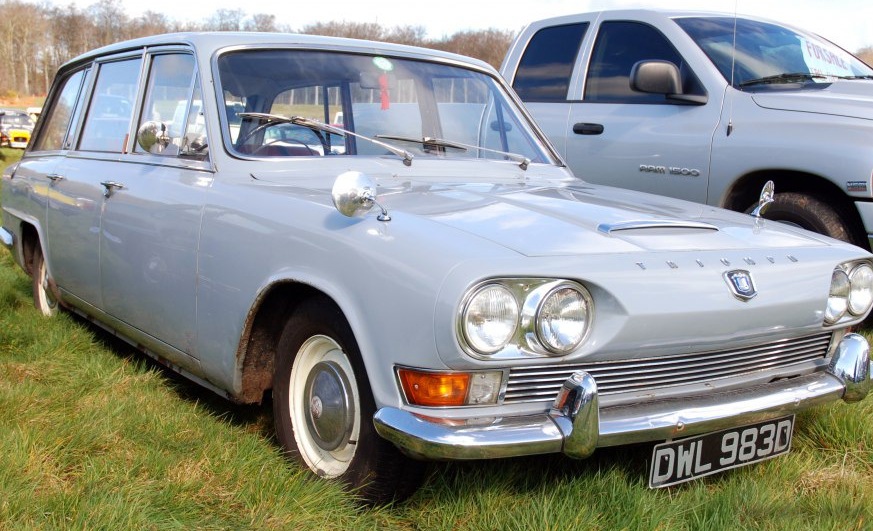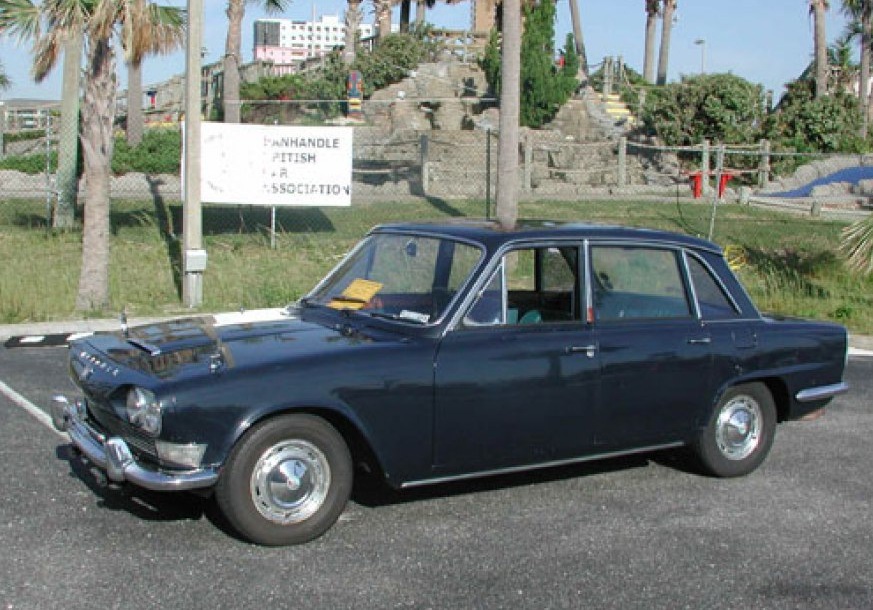
The Triumph 2.5 PI MK I, produced between 1969 and 1975, represents a significant evolution in the British automaker’s lineup. Positioned as a sophisticated and powerful saloon, the 2.5 PI (Fuel Injection) was intended to bridge the gap between the more affordable Triumph Vitesse and the flagship TR sports cars. It was the first Triumph saloon to feature fuel injection as standard equipment, marking a move towards more advanced technology and performance. The “PI” designation stands for “Petrol Injection,” highlighting this key feature. The MK I represents the initial iteration of this model, setting the stage for subsequent refinements throughout the production run. It was a key model for Triumph, attempting to capture a segment of the market desiring a blend of luxury, performance, and British motoring heritage.
Technical Specifications
| Brand | Triumph |
| Model | 2.5 PI MK I |
| Generation | 2.5 PI MK I |
| Type (Engine) | 2.5 (134 Hp) |
| Start of Production | 1969 |
| End of Production | 1975 |
| Powertrain Architecture | Internal Combustion Engine |
| Body Type | Sedan |
| Fuel Type | Petrol (Gasoline) |
| Power | 134 Hp |
| Engine Aspiration | Naturally Aspirated |
Powertrain & Engine Architecture
The heart of the Triumph 2.5 PI MK I is its 2.5-liter inline-six cylinder engine. This engine, designated as the 2.5 PI, is a naturally aspirated powerplant producing 134 horsepower. What truly sets this engine apart is its Lucas mechanical fuel injection system. This system, while complex for its time, offered improved fuel efficiency and performance compared to traditional carbureted engines. The Lucas system utilized a distributor-type fuel injection pump, metering fuel directly into the intake ports. The engine features a single overhead camshaft operating two valves per cylinder. The cylinder head is made of aluminum alloy, contributing to weight reduction. The engine’s block is cast iron, providing durability. The compression ratio is 9.5:1. The engine is mated to either a four-speed manual transmission with overdrive or a three-speed automatic transmission (Borg Warner Type 35). The automatic transmission, while offering convenience, was often criticized for its relatively slow shift times and tendency to hunt for gears. The engine’s design emphasized smooth power delivery and a relatively quiet operation, befitting a luxury saloon.
Driving Characteristics
The Triumph 2.5 PI MK I offers a driving experience that is distinctly British – a blend of comfort and capable performance. The 134 horsepower engine provides adequate acceleration, though it’s not a particularly sporty car. The automatic transmission, while convenient, does detract somewhat from the driving experience. Gear changes are not particularly crisp, and the transmission can feel sluggish when attempting quick overtaking maneuvers. The manual transmission, with its overdrive, offers a more engaging driving experience and improved fuel economy. The car’s suspension, featuring independent front suspension with coil springs and a live axle rear suspension with leaf springs, provides a comfortable ride, absorbing bumps and imperfections in the road reasonably well. Steering is rack and pinion, offering precise control. The car feels stable and planted at highway speeds, though it’s not a particularly nimble handler. The overall driving experience is one of relaxed cruising and understated elegance.
Equipment & Trim Levels
The Triumph 2.5 PI MK I was well-equipped for its time, offering a level of luxury that was competitive with other saloons in its class. Standard features included reclining front seats, a wood-trimmed dashboard, and a comprehensive instrument panel. Interior upholstery was typically cloth, available in a range of colors. Optional extras included leather upholstery, a sunroof, and a radio. The car featured electric windows as an option, a relatively uncommon feature in the early 1970s. Exterior trim included brightwork around the windows and body, adding to the car’s elegant appearance. The MK I models generally featured a simpler interior design compared to later iterations, with a focus on functionality and durability. The dashboard layout was relatively straightforward, with clearly labeled gauges and controls.
Chassis & Braking
The Triumph 2.5 PI MK I utilizes a traditional body-on-frame construction. The chassis is robust and provides a solid foundation for the car. The front suspension features independent double wishbones with coil springs and an anti-roll bar. The rear suspension employs a live axle with leaf springs. Braking is accomplished via Dunlop disc brakes on all four wheels, offering good stopping power for the era. The braking system is hydraulic, with a dual-circuit master cylinder for added safety. Steering is rack and pinion, providing precise and responsive handling. The car’s wheelbase is 112 inches, and its track width is 56 inches. The overall chassis design prioritizes ride comfort and stability over outright sporting performance.
Market Reception & Comparison
The Triumph 2.5 PI MK I was generally well-received by critics, who praised its smooth engine, comfortable ride, and luxurious interior. However, the Lucas fuel injection system was often criticized for its complexity and potential for reliability issues. Maintenance of the fuel injection system required specialized knowledge and tools, making it more expensive than maintaining a carbureted engine. Compared to the Triumph Vitesse, the 2.5 PI offered significantly more power and refinement. Compared to the TR sports cars, the 2.5 PI provided a more comfortable and practical driving experience, albeit with less outright performance. Fuel economy was reasonable for the time, averaging around 18-22 miles per gallon. The car’s price positioned it in the upper end of the British saloon market, competing with models from Rover and Jaguar.
Legacy
The Triumph 2.5 PI MK I, while not a massive sales success, remains a fondly remembered classic car. The car’s innovative fuel injection system and luxurious appointments set it apart from its contemporaries. Today, the 2.5 PI is a sought-after vehicle among classic car enthusiasts. The Lucas fuel injection system can be a source of headaches for owners, requiring regular maintenance and occasional repairs. However, the car’s overall durability and charming character make it a rewarding ownership experience. Parts availability can be challenging, but a dedicated network of Triumph specialists and suppliers exists to support owners. The 2.5 PI represents a high point in Triumph’s engineering and design, and it continues to be appreciated for its unique blend of British style and performance.