
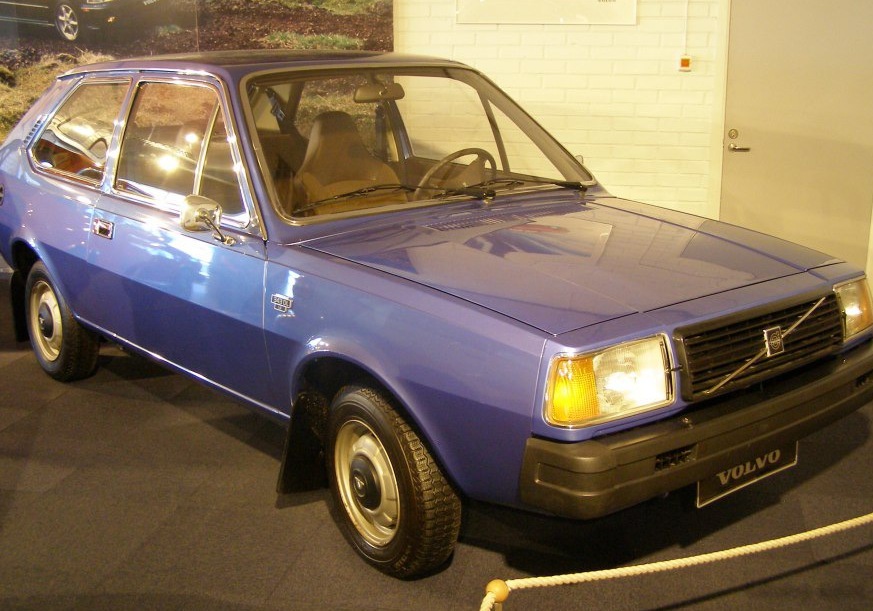
The Volvo 340 and 360 series, specifically the 343 and 345 models equipped with the 2.0-liter B19A engine producing 92 horsepower, represented Volvo’s entry into the compact hatchback market. Produced from 1983 to 1984, these variants were crucial in broadening Volvo’s appeal beyond its traditionally larger, more luxurious offerings. The 340/360 series, built on the Y-platform, was a significant departure for Volvo, utilizing front-wheel drive – a first for the brand – and a transversely mounted engine. This particular 2.0-liter configuration served as a mid-range option within the 340/360 lineup, positioned above the base 1.4-liter models but below the later, more powerful 360 GLT variants.
Technical Specifications
| Brand | Volvo |
| Model | 340-360 (343, 345) |
| Generation | 340-360 (343, 345) |
| Type (Engine) | 2.0 (92 Hp) |
| Start of Production | 1983 |
| End of Production | 1984 |
| Powertrain Architecture | Internal Combustion Engine |
| Body Type | Hatchback |
| Fuel Type | Petrol (Gasoline) |
| Power | 92 Hp |
| Engine Model/Code | B19A |
| Engine Aspiration | Naturally Aspirated |
| Engine Oil Capacity | 4.5 l (4.76 US qt | 3.96 UK qt) |
| Coolant Capacity | 7 l (7.4 US qt | 6.16 UK qt) |
| Fuel Tank Capacity | 57 l (15.06 US gal | 12.54 UK gal) |
Powertrain & Engine Architecture
The heart of the 343/345 2.0 was the B19A engine, a 1,986 cc (121.1 cu in) inline-four cylinder. This engine was a relatively simple design, featuring a cast iron block and an aluminum cylinder head. It utilized a single overhead camshaft (SOHC) valvetrain operating two valves per cylinder. Fuel delivery was managed by a Bosch K-Jetronic mechanical fuel injection system, a common feature on European cars of the era. The K-Jetronic system, while reliable, was known for its complexity and required specialized knowledge for maintenance. The B19A produced 92 horsepower at 5,200 rpm and 104 lb-ft of torque at 3,000 rpm. This engine was paired with a four-speed automatic transmission, offering a more convenient driving experience compared to the available five-speed manual. The automatic transmission, while smooth, did impact acceleration and fuel economy.
Driving Characteristics
The 2.0-liter automatic 340/360 offered a comfortable, if not particularly sporty, driving experience. Acceleration was adequate for everyday driving, with a 0-60 mph time estimated around 12-13 seconds. The automatic transmission’s gear ratios were geared towards fuel efficiency and smooth cruising rather than rapid acceleration. Compared to the manual transmission versions, the automatic models felt noticeably slower, especially during overtaking maneuvers. The B19A engine provided sufficient torque for maintaining highway speeds, but required downshifting for quicker responses. The front-wheel drive configuration provided decent handling, although the car wasn’t known for its sharp cornering abilities. The suspension, tuned for comfort, absorbed bumps reasonably well, making it a pleasant vehicle for long journeys.
Equipment & Trim Levels
The 343 and 345 2.0 models typically came with a fairly basic level of equipment, reflecting their position as entry-level or mid-range offerings. Standard features included cloth upholstery, a basic AM/FM radio, and manual windows and door locks. The dashboard layout was functional and straightforward, prioritizing usability over aesthetics. Optional extras included a sunroof, upgraded stereo systems, and power windows. The 345, being the five-door hatchback variant, offered increased practicality and passenger space compared to the three-door 343. Interior trim levels varied slightly depending on the market, but generally featured durable, if somewhat plain, materials.
Chassis & Braking
The Volvo 340/360 series utilized a MacPherson strut front suspension and a twist-beam rear suspension. The front suspension provided a comfortable ride and predictable handling. The rear twist-beam suspension was a cost-effective solution, but offered less sophisticated handling characteristics. Braking systems varied depending on the model year and market. Early models often featured drum brakes on the rear wheels, while later models and higher trim levels were equipped with disc brakes all around. The braking system was generally adequate for the car’s weight and performance, but lacked the stopping power of more modern vehicles. Stabilizer bars were fitted to both the front and rear axles to reduce body roll during cornering.
Market Reception & Comparison
The Volvo 340/360 2.0 automatic received mixed reviews from automotive critics. While praised for its safety features – a hallmark of Volvo – and comfortable ride, it was often criticized for its relatively slow acceleration and somewhat dated interior. Compared to other compact hatchbacks of the era, such as the Volkswagen Golf or Ford Escort, the 340/360 offered a more robust and durable build quality, but lacked the same level of driving refinement. Fuel economy was reasonable for the time, averaging around 25-30 mpg in mixed driving conditions. The automatic transmission, while convenient, reduced fuel efficiency compared to the manual transmission versions. Reliability was generally good, although the K-Jetronic fuel injection system could be prone to issues if not properly maintained.
Legacy
The Volvo 340/360 series, including the 2.0-liter automatic variants, holds a nostalgic place in the hearts of many Volvo enthusiasts. The B19A engine, while not a powerhouse, proved to be a durable and reliable unit when properly maintained. Today, these cars are relatively affordable to purchase and maintain, making them popular choices for classic car collectors and enthusiasts. Parts availability can be a challenge, particularly for specific components of the K-Jetronic fuel injection system. However, a dedicated community of Volvo owners and online resources help to keep these cars on the road. The 340/360 series represents a pivotal moment in Volvo’s history, marking the brand’s transition to front-wheel drive and a broader market appeal. The 2.0-liter automatic models, while not the most sought-after variants, offer a comfortable and reliable classic car experience.
