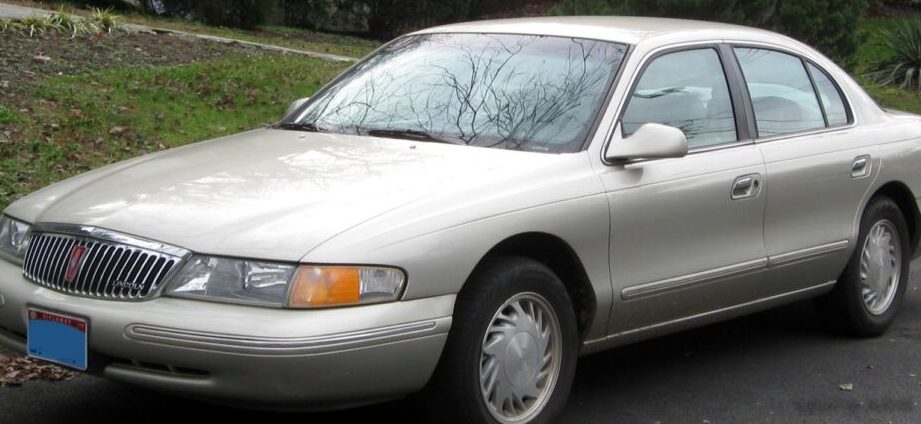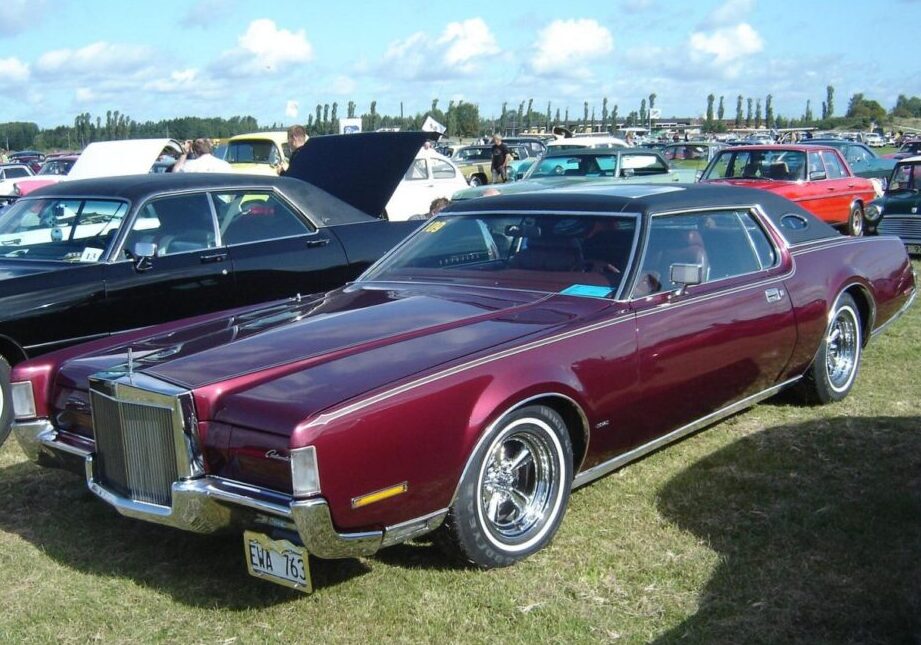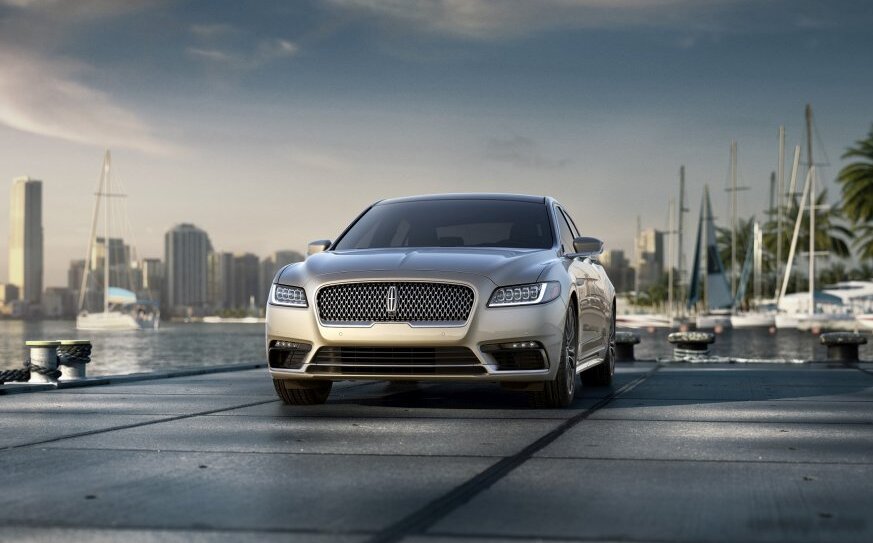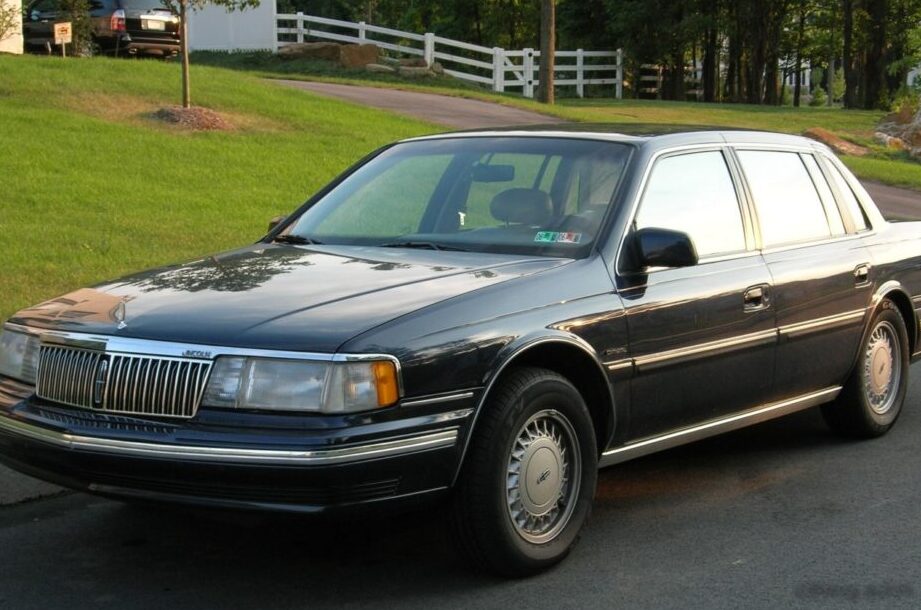
The Lincoln Continental VIII 3.8, produced solely in 1991, represents a brief but notable iteration of the long-running Continental lineage. This model year marked the final production run of the eighth generation (1988-1990), and the 3.8-liter variant occupied a middle ground in the lineup, offering a balance between performance and luxury features. While the Continental name had historically signified Lincoln’s flagship, by 1991, it was positioned as a more accessible luxury sedan, competing with offerings from Buick and Chrysler. The VIII designation denoted the eighth generation of the Continental, and the 3.8 signified the engine displacement and approximate horsepower.
Technical Specifications
| Brand | Lincoln |
| Model | Continental |
| Generation | Continental VIII |
| Type (Engine) | 3.8 (151 Hp) |
| Start of production | 1991 |
| End of production | 1991 |
| Powertrain Architecture | Internal Combustion engine |
| Body type | Sedan |
| Seats | 5 |
| Doors | 4 |
| Fuel Type | Petrol (Gasoline) |
| Power | 151 Hp |
| Engine Model/Code | Essex |
| Engine aspiration | Naturally aspirated engine |
| Engine oil capacity | 4.3 l / 4.54 US qt / 3.78 UK qt |
| Coolant capacity | 13 l / 13.74 US qt / 11.44 UK qt |
| Length | 5210 mm / 205.12 in. |
| Width | 1847 mm / 72.72 in. |
| Height | 1412 mm / 55.59 in. |
Powertrain & Engine Architecture
The heart of the 1991 Lincoln Continental VIII 3.8 was the Ford Essex V6 engine. This 3.8-liter (232 cubic inch) engine was a 60-degree V6, utilizing a cast iron block and aluminum cylinder heads. It was a relatively simple design, featuring two valves per cylinder and a single overhead camshaft. Fuel delivery was managed by a multi-port fuel injection system, a significant upgrade from the carburetor-equipped engines of earlier Continentals. The Essex engine, while not known for its outright performance, was valued for its smoothness and reliability. The 151 horsepower output was achieved at 5000 rpm, with peak torque of 225 lb-ft at 3200 rpm. This torque figure provided adequate, though not exhilarating, acceleration for the relatively large sedan.
The engine was paired with a four-speed automatic transmission, a mainstay of American luxury cars during this era. This transmission was electronically controlled, offering smoother shifts compared to earlier hydraulically-governed units. The transmission’s gear ratios were geared towards comfortable cruising rather than sporty acceleration. First gear was relatively tall, prioritizing smooth take-offs, while the overdrive fourth gear aimed to maximize fuel efficiency on the highway. While a five-speed manual transmission was offered on some Continental models, it was rarely selected by buyers, and was not available with the 3.8-liter engine.
Driving Characteristics
The 1991 Continental VIII 3.8 offered a comfortable and refined driving experience, typical of American luxury sedans of the time. Acceleration was adequate for merging onto highways and passing slower traffic, but it wasn’t particularly brisk. The automatic transmission contributed to a relaxed driving style, with smooth shifts and a lack of harshness. The suspension, tuned for comfort, absorbed bumps and road imperfections well, providing a plush ride. However, this comfort came at the expense of handling precision. The Continental VIII wasn’t designed for spirited cornering; instead, it prioritized a smooth and isolated ride quality. Compared to the higher-output 4.6-liter V8 engine available in other Continental trims, the 3.8-liter V6 felt noticeably less powerful, particularly when fully loaded with passengers and luggage.
Equipment & Trim Levels
The 1991 Lincoln Continental VIII 3.8 came reasonably well-equipped as standard. Features included air conditioning, power windows and locks, a tilt steering wheel, and a premium sound system. Upholstery was typically cloth, though leather was available as an option. The dashboard featured analog gauges, including a speedometer, tachometer, and fuel gauge. Optional extras included a sunroof, upgraded sound systems, and automatic climate control. The 3.8-liter model generally represented the entry-level trim, offering a more affordable way to experience the Continental nameplate. It sat below the higher-spec models equipped with the 4.6-liter V8 and more luxurious appointments.
Chassis & Braking
The Continental VIII utilized a body-on-frame construction, a traditional design for large American sedans. The chassis featured independent front suspension with coil springs and a solid rear axle with leaf springs. This setup prioritized ride comfort over handling precision. Braking duties were handled by power-assisted disc brakes in the front and drum brakes in the rear. While adequate for normal driving conditions, the rear drum brakes were a point of criticism, as they offered less stopping power and were more prone to fading under heavy use compared to disc brakes. A stabilizer bar was fitted to both the front and rear suspension to reduce body roll during cornering.
Market Reception & Comparison
The 1991 Lincoln Continental VIII 3.8 received mixed reviews from automotive critics. While praised for its comfortable ride and spacious interior, it was often criticized for its lack of performance and somewhat dated design. Compared to its rivals, such as the Buick Park Avenue and Chrysler Fifth Avenue, the Continental offered a similar level of luxury and comfort, but lacked the sporty appeal of some competitors. Fuel economy was average for the class, with EPA estimates of around 17 mpg city and 24 mpg highway. Reliability was generally good, though the Essex V6 engine was known to be susceptible to oil leaks as it aged. The 3.8-liter engine offered a more affordable entry point into the Continental lineup, appealing to buyers who prioritized comfort and value over outright performance.
Legacy
The 1991 Lincoln Continental VIII 3.8, while a short-lived model, represents a transitional period for the Continental nameplate. It was one of the last iterations of the traditional body-on-frame Continental before the model was redesigned with a more modern, unibody construction. Today, these cars are relatively affordable on the used car market, and can be a good option for buyers seeking a comfortable and spacious classic American sedan. The Essex V6 engine, while not a powerhouse, is generally reliable and relatively easy to maintain. However, potential buyers should be aware of the possibility of oil leaks and the limitations of the rear drum brakes. The 1991 Continental VIII 3.8 remains a reminder of a time when American luxury cars prioritized comfort and refinement above all else.