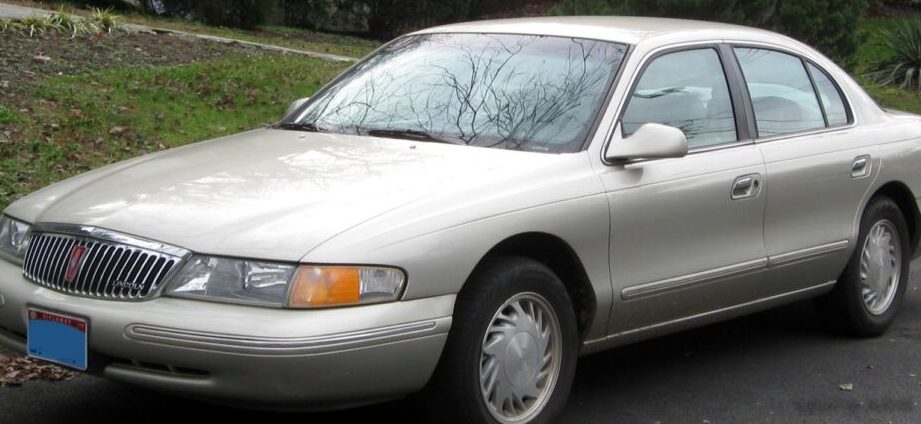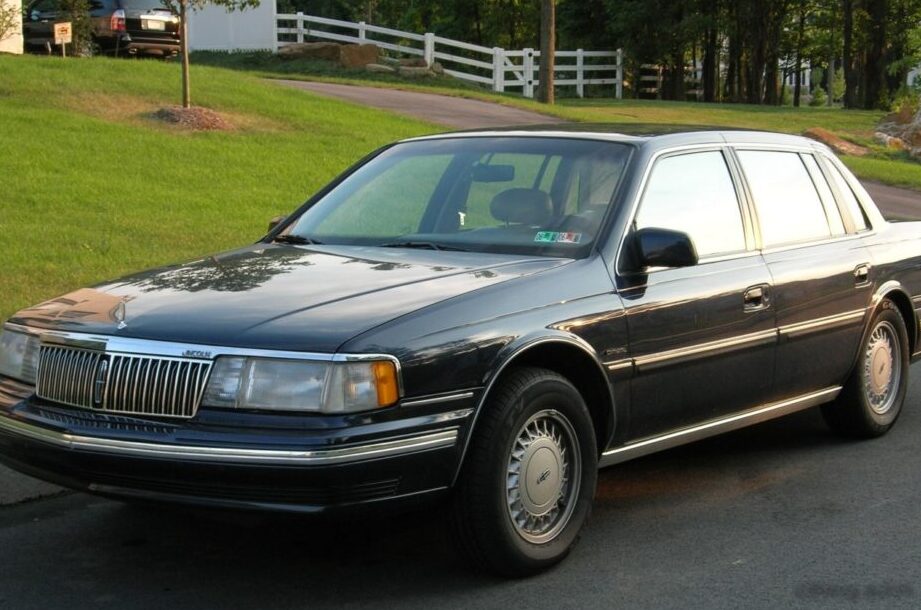
The Lincoln Continental VIII 3.8, produced between 1992 and 1994, represented a continuation of the long-running Continental lineage, albeit during a period of shifting American luxury car preferences. This iteration, part of the eighth generation (1988-1994) of the Continental, aimed to provide a comfortable and spacious experience, leaning heavily on traditional American styling and a focus on ride quality. The 3.8-liter variant occupied a middle ground in the Continental VIII lineup, positioned between the base 4.6-liter engine and the higher-performance options. It was designed to appeal to buyers seeking a balance of power and fuel efficiency within the full-size luxury segment.
Technical Specifications
| Brand | Lincoln |
| Model | Continental |
| Generation | Continental VIII |
| Type (Engine) | 3.8 (160 Hp) |
| Start of production | 1992 |
| End of production | 1994 |
| Powertrain Architecture | Internal Combustion engine |
| Body type | Sedan |
| Seats | 5 |
| Doors | 4 |
| Fuel Type | Petrol (Gasoline) |
| Power | 160 Hp |
| Engine Model/Code | Essex |
| Engine aspiration | Naturally aspirated engine |
| Engine oil capacity | 4.3 l / 4.54 US qt / 3.78 UK qt |
| Coolant capacity | 13 l / 13.74 US qt / 11.44 UK qt |
| Length | 5222 mm / 205.59 in. |
| Width | 1836 mm / 72.28 in. |
| Height | 1407 mm / 55.39 in. |
Powertrain & Engine Architecture
The Continental VIII 3.8 was powered by the Ford Essex V6 engine. This 3.8-liter (232 cubic inch) engine was a 60-degree V6, utilizing a cast iron block and aluminum cylinder heads. It featured a single overhead camshaft (SOHC) design with two valves per cylinder. Fuel delivery was managed by a multi-port fuel injection system, contributing to improved efficiency and smoother operation compared to earlier carbureted designs. The Essex engine, while not known for outright performance, was valued for its reliability and relatively smooth power delivery. The 160 horsepower output was achieved at approximately 5000 rpm, with peak torque of around 220 lb-ft at 3200 rpm. This engine was paired exclusively with a four-speed automatic transmission, a common configuration for American luxury cars of the era. The transmission was electronically controlled, offering smoother shifts and improved drivability.
Driving Characteristics
The 3.8-liter Continental VIII offered a comfortable, albeit not particularly sporty, driving experience. The automatic transmission was tuned for smooth, relaxed cruising, prioritizing comfort over aggressive acceleration. Acceleration from 0 to 60 mph was estimated to be around 9-10 seconds, which was adequate for the time but lagged behind some of its European competitors. The gear ratios were optimized for highway driving, providing relaxed cruising at typical interstate speeds. The engine’s torque curve provided sufficient power for merging and passing maneuvers, but required a deliberate kickdown of the transmission for quicker responses. Compared to the 4.6-liter V8 option, the 3.8 felt noticeably less powerful, particularly when fully loaded with passengers and luggage. However, the 3.8 offered a slight improvement in fuel economy, making it a more practical choice for drivers prioritizing efficiency.
Equipment & Trim Levels
The Continental VIII 3.8 typically came well-equipped, reflecting its position as a luxury vehicle. Standard features included power windows, power locks, power seats, air conditioning, and an AM/FM stereo system. Leather upholstery was standard, and the interior featured woodgrain trim accents. The dashboard layout was relatively straightforward, with clearly labeled controls and a focus on ease of use. Optional extras included a premium sound system, a sunroof, and upgraded leather packages. The 3.8 trim level generally sat in the middle of the Continental VIII range. It offered a good balance of features and price, appealing to buyers who didn’t necessarily need the extra power of the V8 but still desired a comfortable and well-appointed vehicle.
Chassis & Braking
The Continental VIII utilized a body-on-frame construction, a traditional approach for American full-size cars. The suspension consisted of independent front suspension with coil springs and a solid rear axle with leaf springs. This setup prioritized ride comfort over handling precision. The steering was power-assisted, providing light and easy steering effort. Braking duties were handled by power-assisted disc brakes in the front and drum brakes in the rear. While adequate for normal driving conditions, the rear drum brakes were a point of criticism, as they offered less stopping power and were more prone to fading under heavy use compared to disc brakes. Stabilizer bars were included both front and rear to help reduce body roll during cornering, but the Continental VIII was primarily designed for straight-line cruising rather than spirited driving.
Market Reception & Comparison
The Lincoln Continental VIII 3.8 received mixed reviews from automotive critics. While praised for its spacious interior, comfortable ride, and quiet cabin, it was often criticized for its lack of performance and somewhat dated styling. Compared to its domestic rivals, such as the Cadillac Sedan DeVille and the Chrysler Fifth Avenue, the Continental VIII offered a similar level of luxury and comfort. However, it often fell short in terms of performance and handling. Against imported luxury cars, such as the BMW 5 Series and the Mercedes-Benz E-Class, the Continental VIII offered more space and a softer ride, but lacked the refinement and driving dynamics of its European competitors. Fuel economy was average for a full-size luxury car of the era, with EPA estimates around 17 mpg city and 24 mpg highway. Reliability was generally good, although some owners reported issues with the automatic transmission and the electronic climate control system.
Legacy
The Lincoln Continental VIII 3.8, while not a standout performer, remains a representative example of American luxury car design from the early 1990s. The Essex V6 engine proved to be reasonably durable, and well-maintained examples can still be found on the used car market today. However, due to its age and relatively low resale value, the Continental VIII 3.8 is not a particularly sought-after classic car. Parts availability is generally good, as many components are shared with other Ford and Lincoln models. The car’s enduring appeal lies in its spaciousness, comfortable ride, and classic American styling, offering a nostalgic glimpse into a bygone era of automotive design. It serves as a reminder of a time when American luxury cars prioritized comfort and convenience over outright performance and handling.