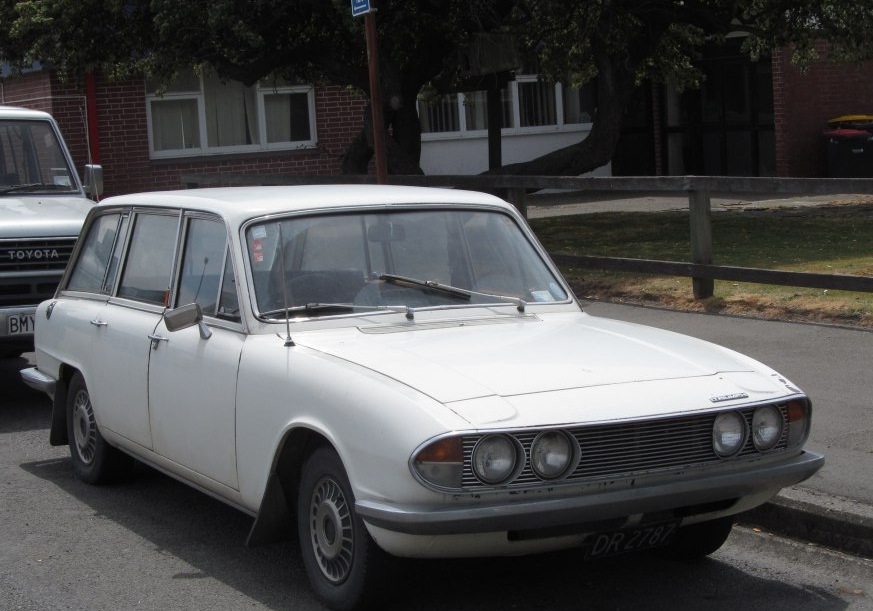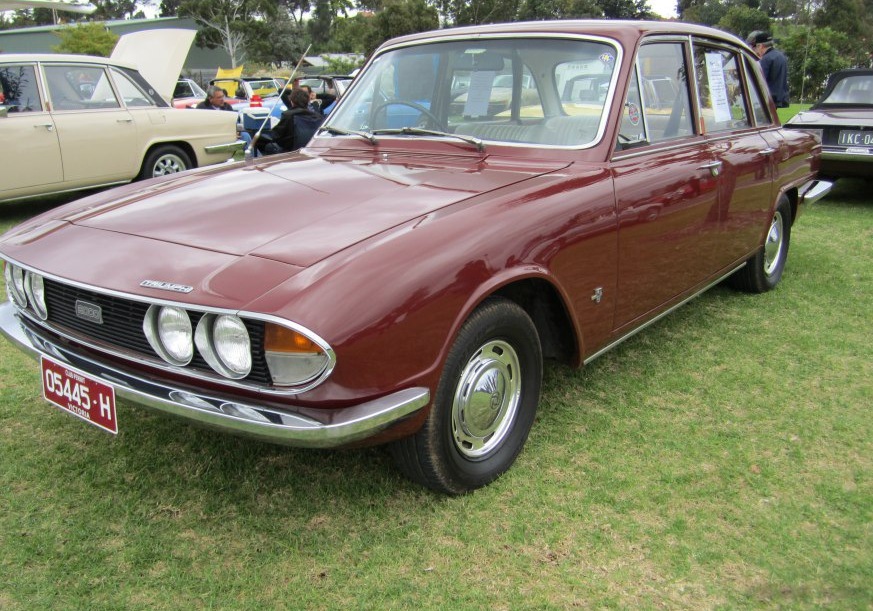
The Triumph 2000 MkII 2.0, produced between 1972 and 1975, represented a significant refinement of the 2000 saloon, continuing Triumph’s tradition of building well-appointed and capable British sedans. Positioned as a mid-range offering within the 2000 range, it aimed to provide a balance between performance and comfort, appealing to buyers seeking a practical yet enjoyable driving experience. The MkII addressed many of the criticisms leveled at the original 2000, improving build quality and addressing mechanical shortcomings. It was a key model in Triumph’s lineup during a period of considerable change in the automotive industry, facing increasing competition from both domestic and foreign manufacturers.
Technical Specifications
| Brand | Triumph |
| Model | 2000 MkII |
| Generation | 2000 MkII |
| Type (Engine) | 2.0 (88 Hp) |
| Start of Production | 1972 |
| End of Production | 1975 |
| Powertrain Architecture | Internal Combustion Engine |
| Body Type | Sedan |
| Fuel Type | Petrol (Gasoline) |
| Power | 88 Hp |
| Engine Aspiration | Naturally Aspirated |
Powertrain & Engine Architecture
The heart of the Triumph 2000 MkII 2.0 was its 1,998 cc inline-six cylinder engine. This engine, designated as the ‘Triumph Six’, was a naturally aspirated, overhead valve (OHV) design. It featured a cast iron block and cylinder head, with a single Zenith-Stromberg carburetor managing fuel delivery. While the engine’s 88 horsepower output at 5,250 rpm wasn’t groundbreaking, it provided adequate performance for the time, and the engine was known for its smooth operation and relatively refined character. The engine’s torque output was approximately 116 lb-ft at 3,500 rpm. The MkII retained the four-speed manual transmission with optional overdrive as standard, but a Borg-Warner three-speed automatic transmission was also offered, and is the focus of this article. This automatic transmission, while providing convenience, did impact the car’s acceleration and fuel economy compared to the manual version. The engine utilized a conventional distributor ignition system and a basic cooling system, typical for the era. The engine bay layout was relatively spacious, aiding in maintenance and repair.
Driving Characteristics
The 2000 MkII 2.0 with the automatic transmission offered a comfortable, if not particularly sporty, driving experience. The automatic gearbox, while smooth in operation, lacked the responsiveness of a modern automatic and resulted in a noticeable delay during kickdown. Acceleration from 0 to 60 mph was around 12-13 seconds, slower than the manual version. The gear ratios were optimized for cruising rather than outright performance. The car felt most at home on open roads, where the engine’s torque allowed for relaxed highway driving. The steering was light and precise, providing good feedback to the driver. However, the car’s relatively soft suspension meant that it exhibited noticeable body roll in corners. Compared to the higher-performance Triumph TR6, the 2000 MkII 2.0 automatic was significantly less engaging to drive, prioritizing comfort and ease of use over outright speed. The automatic transmission also diminished the driver’s control during spirited driving, making it less appealing to enthusiasts.
Equipment & Trim Levels
The Triumph 2000 MkII 2.0 automatic was generally well-equipped for its time, positioning itself as a comfortable and refined saloon. Standard features included reclining front seats, a wood-trimmed dashboard, and a comprehensive instrument panel. The interior was typically upholstered in Ambla vinyl, with cloth options available. The MkII also featured electric windscreen wipers, a heater, and a demister. Optional extras included a sunroof, a radio, and upgraded upholstery. The automatic transmission models often came with a center console featuring a gear selector and storage compartments. The exterior trim was relatively understated, with chrome bumpers and brightwork adding a touch of elegance. The MkII received several cosmetic updates compared to the original 2000, including a revised grille and improved interior trim materials. The trim level was generally consistent across the 2.0 automatic models, with options being the primary way to personalize the vehicle.
Chassis & Braking
The Triumph 2000 MkII 2.0 utilized a traditional body-on-frame construction, providing a robust and durable chassis. The front suspension featured independent wishbones and coil springs, while the rear suspension employed a live axle with leaf springs. This setup provided a comfortable ride, but it wasn’t particularly sophisticated in terms of handling. The braking system consisted of Dunlop disc brakes on the front wheels and drum brakes on the rear wheels. The brakes were adequate for normal driving conditions, but they lacked the stopping power of more modern systems. The steering was a rack-and-pinion system, providing precise and responsive control. The car’s relatively light weight (around 2,700 lbs) helped to offset the limitations of the chassis and braking system. Stabilizer bars were fitted to both the front and rear axles to reduce body roll, but their effectiveness was limited by the car’s overall design.
Market Reception & Comparison
The Triumph 2000 MkII 2.0 automatic received generally positive reviews from contemporary automotive journalists. It was praised for its comfortable ride, refined engine, and well-appointed interior. However, the automatic transmission was often criticized for its lack of responsiveness and its impact on fuel economy. Compared to the manual version, the automatic was considered less engaging to drive. Against competitors such as the Rover P6 and the Ford Cortina, the Triumph 2000 MkII 2.0 automatic offered a compelling combination of style, comfort, and performance. Fuel economy was around 18-22 mpg, which was typical for a car of this size and era. Reliability was generally good, although the car’s electrical system could be prone to issues. The automatic transmission, if properly maintained, proved to be reasonably durable.
Legacy
The Triumph 2000 MkII 2.0 automatic, while not the most sought-after variant of the 2000 range, holds a special place in the hearts of many British car enthusiasts. The combination of the smooth inline-six engine and the convenience of the automatic transmission appealed to a specific segment of the market. Today, these cars are relatively rare and are becoming increasingly collectible. The powertrain, while aging, is generally reliable if properly maintained. Common issues include carburetor problems, oil leaks, and electrical faults. Parts availability can be challenging, but a dedicated network of Triumph specialists and suppliers exists. The 2000 MkII 2.0 automatic represents a charming and well-built example of British automotive engineering from the 1970s, offering a unique driving experience that is increasingly difficult to find in modern cars. Its enduring appeal lies in its blend of classic style, comfortable ride, and relatively straightforward mechanical design.