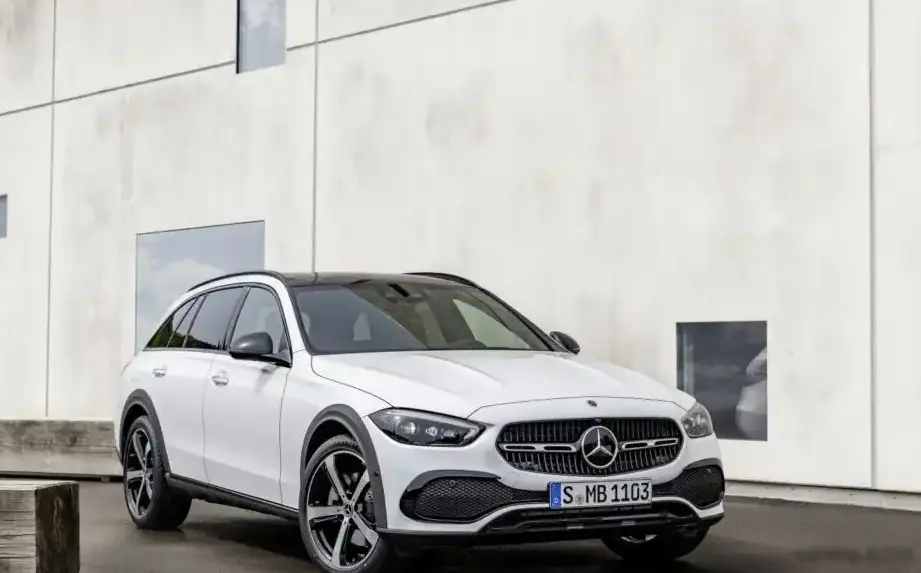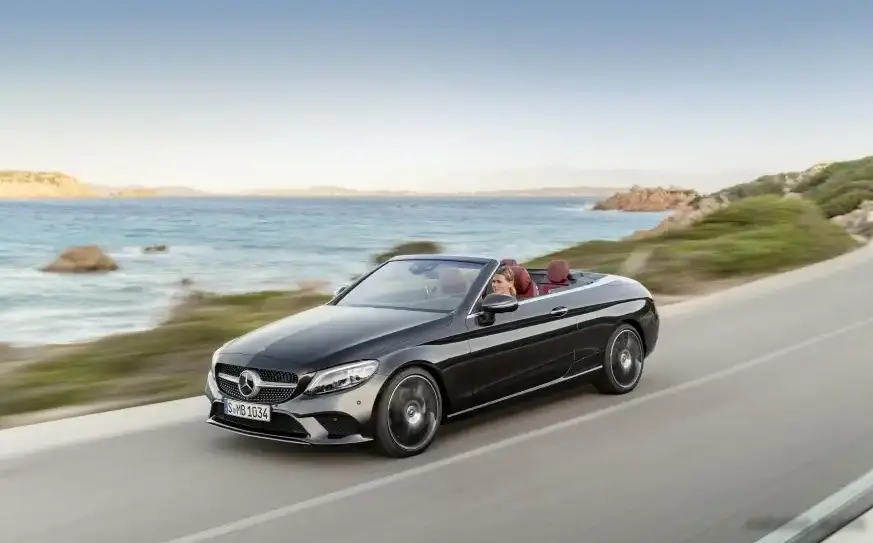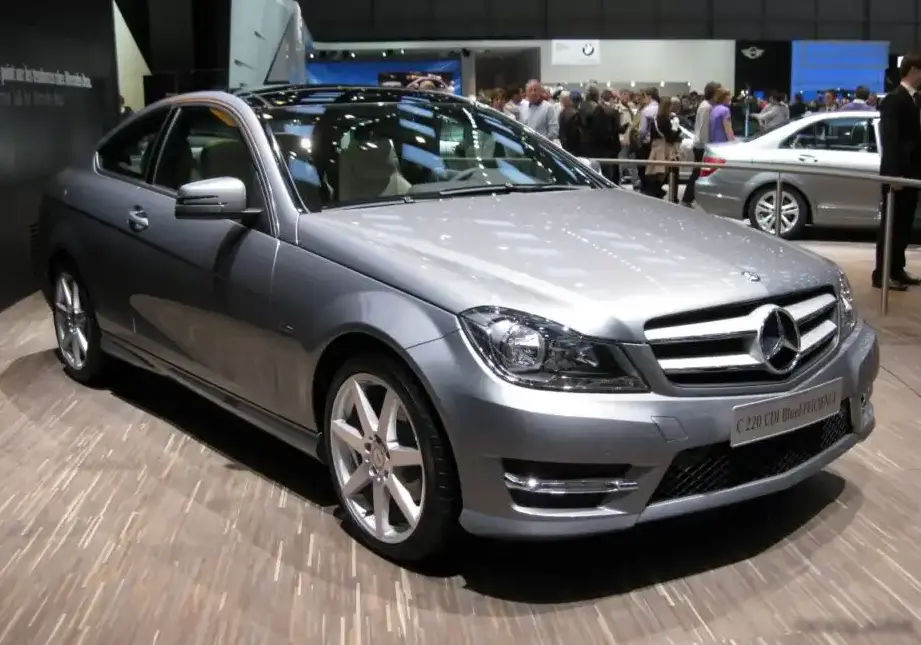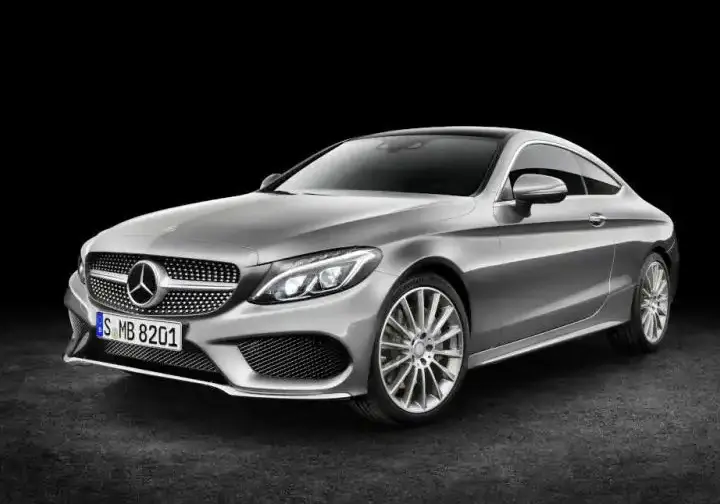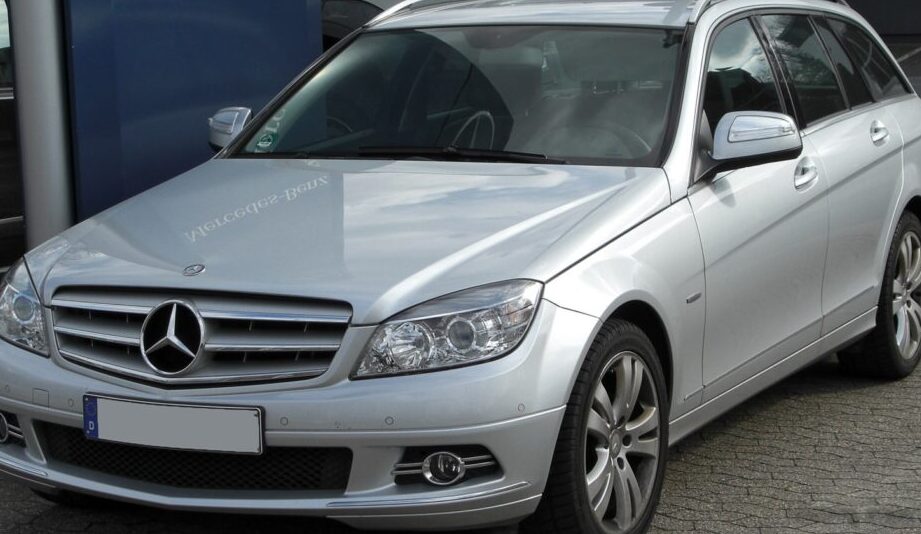
The Mercedes-Benz C-Class T-modell (S204) C 200 CDI, produced from 2007 to 2009, represents a compelling blend of practicality and efficiency within the broader C-Class (W204) range. Positioned as a mid-range offering in the estate (wagon) body style, the C 200 CDI aimed to provide a more economical alternative to the higher-powered gasoline variants, while still delivering the comfort and refinement expected of the Mercedes-Benz brand. This model was primarily targeted at European markets where estate cars are highly popular, offering a spacious and versatile vehicle for families and those requiring significant cargo capacity. It utilized a diesel engine paired with a six-speed manual transmission, a configuration that prioritized fuel economy and reasonable performance.
Technical Specifications
| Brand | Mercedes-Benz |
| Model | C-Class |
| Generation | C-Class T-modell (S204) |
| Type (Engine) | C 200 CDI (136 Hp) |
| Start of production | 2007 |
| End of production | 2009 |
| Powertrain Architecture | Internal Combustion engine |
| Body type | Station wagon (estate) |
| Seats | 5 |
| Doors | 5 |
| Fuel consumption (urban) | 7.9-8.1 l/100 km (29.8 – 29 US mpg, 35.8 – 34.9 UK mpg, 12.7 – 12.3 km/l) |
| Fuel consumption (extra urban) | 4.8-5 l/100 km (49 – 47 US mpg, 58.9 – 56.5 UK mpg, 20.8 – 20 km/l) |
| Fuel consumption (combined) | 6-6.1 l/100 km (39.2 – 38.6 US mpg, 47.1 – 46.3 UK mpg, 16.7 – 16.4 km/l) |
| CO2 emissions | 157-161 g/km |
| Fuel Type | Diesel |
| Acceleration 0 – 100 km/h | 10.8 sec |
| Acceleration 0 – 62 mph | 10.8 sec |
| Acceleration 0 – 60 mph | 10.3 sec |
| Maximum speed | 208 km/h (129.25 mph) |
| Emission standard | Euro 4 |
| Weight-to-power ratio | 11.3 kg/Hp, 88.9 Hp/tonne |
| Weight-to-torque ratio | 5.7 kg/Nm, 176.5 Nm/tonne |
| Power | 136 Hp @ 3800 rpm |
| Power per litre | 63.3 Hp/l |
| Torque | 270 Nm @ 1600-3000 rpm (199.14 lb.-ft. @ 1600-3000 rpm) |
| Engine layout | Front, Longitudinal |
| Engine Model/Code | OM 646.811 |
| Engine displacement | 2148 cm3 (131.08 cu. in.) |
| Number of cylinders | 4 |
| Engine configuration | Inline |
| Cylinder Bore | 88 mm (3.46 in.) |
| Piston Stroke | 88.3 mm (3.48 in.) |
| Compression ratio | 17.5:1 |
| Number of valves per cylinder | 4 |
| Fuel injection system | Diesel Commonrail |
| Engine aspiration | Turbocharger, Intercooler |
| Valvetrain | DOHC |
| Engine oil capacity | 6.5 l (6.87 US qt | 5.72 UK qt) |
| Kerb Weight | 1530 kg (3373.07 lbs.) |
| Max. weight | 2135 kg (4706.87 lbs.) |
| Max load | 605 kg (1333.8 lbs.) |
| Trunk (boot) space – minimum | 485 l (17.13 cu. ft.) |
| Trunk (boot) space – maximum | 1500 l (52.97 cu. ft.) |
| Fuel tank capacity | 66 l (17.44 US gal | 14.52 UK gal) |
| Permitted trailer load with brakes (12%) | 1800 kg (3968.32 lbs.) |
| Permitted trailer load without brakes | 750 kg (1653.47 lbs.) |
| Length | 4596 mm (180.94 in.) |
| Width | 1770 mm (69.69 in.) |
| Width including mirrors | 2020 mm (79.53 in.) |
| Height | 1459 mm (57.44 in.) |
| Wheelbase | 2760 mm (108.66 in.) |
| Front track | 1541 mm (60.67 in.) |
| Rear track | 1544 mm (60.79 in.) |
| Front overhang | 765 mm (30.12 in.) |
| Rear overhang | 1071 mm (42.17 in.) |
| Minimum turning circle | 10.84 m (35.56 ft.) |
| Drivetrain | Rear wheel drive |
| Number of gears | 6 |
| Gearbox type | Manual transmission |
| Front suspension | Independent type McPherson, Transverse stabilizer |
| Rear suspension | Independent multi-link suspension, Transverse stabilizer |
| Front brakes | Ventilated discs |
| Rear brakes | Disc |
| Assisting systems | ABS (Anti-lock braking system) |
| Steering type | Steering rack and pinion |
| Power steering | Hydraulic Steering |
| Tires size | 205/55 R16 |
| Wheel rims size | 7J x 16 |
Powertrain & Engine Architecture
The C 200 CDI is powered by the OM 646.811, a 2.1-liter inline-four cylinder diesel engine. This engine is a common rail direct injection (CDI) design, utilizing piezo injectors for precise fuel delivery and optimized combustion. The turbocharger, coupled with an intercooler, boosts power output and improves efficiency. The engine produces 136 horsepower at 3800 rpm and 270 Nm (199 lb-ft) of torque between 1600 and 3000 rpm. The six-speed manual transmission was the standard offering, providing a good balance between fuel economy and driver control. The engine’s longitudinal mounting allowed for rear-wheel drive, a traditional configuration for Mercedes-Benz passenger cars.
Driving Characteristics
The C 200 CDI with the manual transmission offered a reasonably engaging driving experience. While not a performance-oriented model, the engine’s torque output provided adequate acceleration for everyday driving. The 0-60 mph time of around 10.3 seconds was respectable for the era and engine displacement. The manual gearbox allowed for precise control, and the gear ratios were well-matched to the engine’s powerband. Compared to the more powerful C 320 CDI or gasoline-powered C 280, the C 200 CDI felt less urgent in its acceleration, but it excelled in fuel efficiency. The rear-wheel drive configuration provided balanced handling, although it could be less forgiving in slippery conditions compared to all-wheel drive variants.
Equipment & Trim Levels
The C 200 CDI T-modell typically came equipped with a solid base level of features. Standard equipment included automatic climate control, power windows and mirrors, a multi-function steering wheel, and an audio system. Interior upholstery was generally cloth, although leather options were available. Optional extras included a sunroof, upgraded audio systems, navigation, and parking sensors. Trim levels were relatively simple, with options primarily focused on adding convenience and luxury features rather than significantly altering the car’s core specifications.
Chassis & Braking
The S204 C-Class utilized an independent suspension system all around. The front suspension employed McPherson struts with a transverse stabilizer bar, while the rear featured a multi-link setup, also with a stabilizer bar. This configuration provided a comfortable ride and good handling characteristics. Brakes were ventilated discs at the front and solid discs at the rear. Anti-lock Braking System (ABS) was standard, enhancing safety and control during emergency braking. The chassis was designed to provide a balance between rigidity and weight reduction, contributing to the car’s overall handling and efficiency.
Market Reception & Comparison
The C 200 CDI T-modell was well-received in European markets as a practical and economical estate car. Critics praised its fuel efficiency, spacious interior, and comfortable ride. Compared to the C 320 CDI, the C 200 CDI offered lower running costs but sacrificed some performance. Against gasoline-powered rivals, the C 200 CDI provided significantly better fuel economy, making it an attractive option for drivers covering long distances. Reliability was generally good, although, like all diesel engines, it was susceptible to issues with the fuel injection system and turbocharger over time.
Legacy
The OM 646 engine family, including the 646.811 found in the C 200 CDI, proved to be a durable and reliable powerplant. While modern diesel technology has advanced significantly, these engines continue to be found in many used vehicles today. The C 200 CDI T-modell remains a popular choice for those seeking a practical and economical estate car. Maintenance costs are generally reasonable, and parts availability is good. However, potential buyers should be aware of the potential for issues with the diesel particulate filter (DPF) and fuel injection system, particularly on vehicles with high mileage.