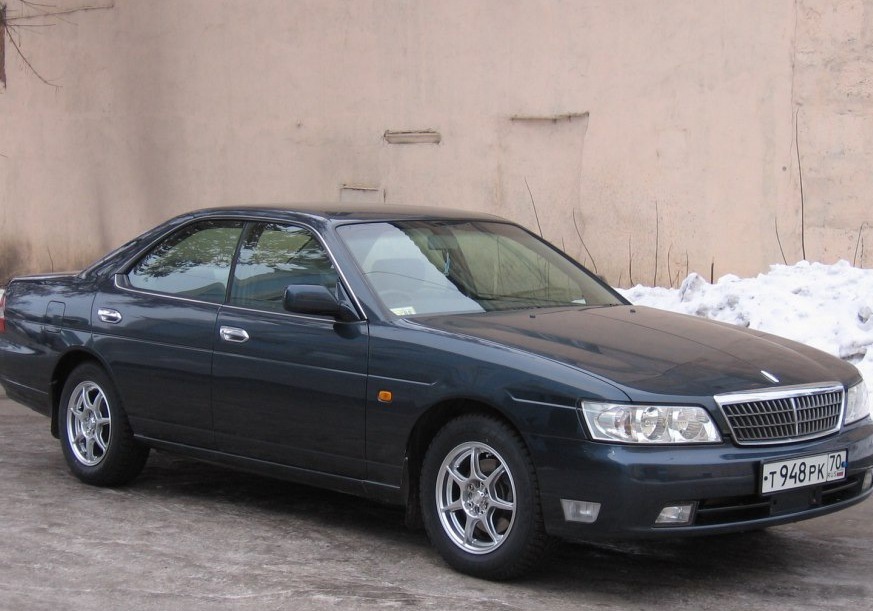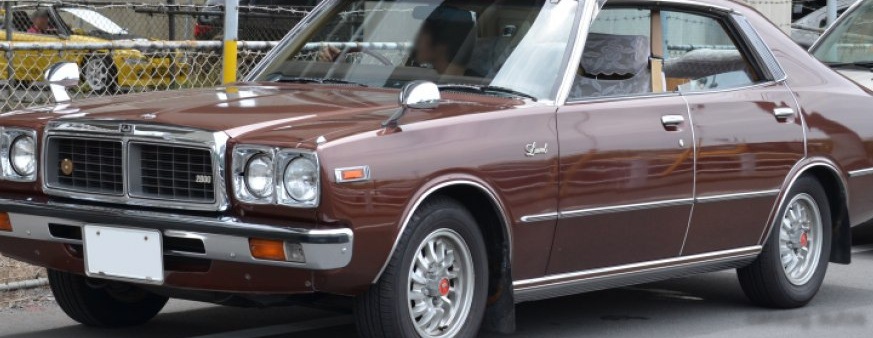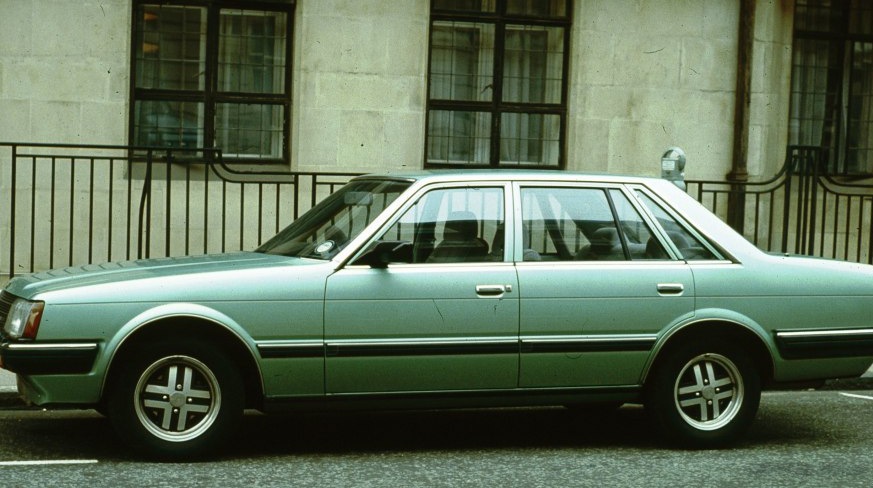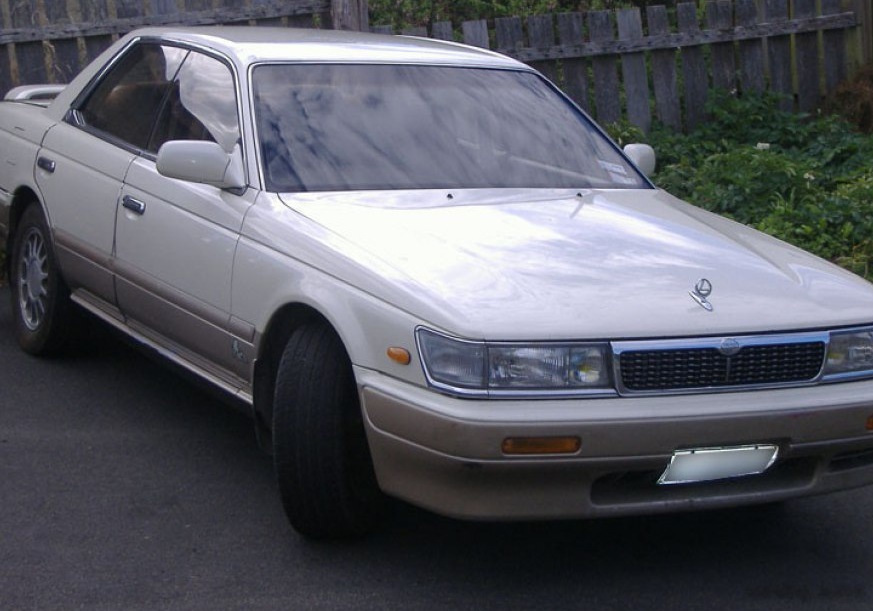
The Nissan Laurel E-HC33, produced between 1990 and 1997, represented a significant evolution in Nissan’s mid-size sedan offerings. This generation, built on the S14 chassis platform, aimed to blend comfort, style, and a degree of performance, primarily targeting the Japanese domestic market (JDM). The 2.0 24V variant, producing 150 horsepower, occupied a middle ground within the HC33 lineup, offering a balance between affordability and respectable power. It served as a step up from the base 1.8L models, while remaining more accessible than the turbocharged or higher-displacement options.
Technical Specifications
| Brand | Nissan |
| Model | Laurel |
| Generation | Laurel (E-HC33) |
| Type (Engine) | 2.0 24V (150 Hp) |
| Start of production | 1990 |
| End of production | 1997 |
| Powertrain Architecture | Internal Combustion engine |
| Body type | Sedan |
| Seats | 5 |
| Doors | 4 |
| Fuel consumption (combined) | 7.8 l/100 km (30.2 US mpg, 36.2 UK mpg, 12.8 km/l) |
| Fuel Type | Petrol (Gasoline) |
| Weight-to-power ratio | 9.3 kg/Hp, 107.1 Hp/tonne |
| Weight-to-torque ratio | 7.7 kg/Nm, 130.7 Nm/tonne |
| Power | 150 Hp @ 6400 rpm |
| Power per litre | 75.1 Hp/l |
| Torque | 183 Nm @ 5200 rpm (134.97 lb.-ft. @ 5200 rpm) |
| Engine layout | Front, Longitudinal |
| Engine displacement | 1998 cm3 (121.93 cu. in.) |
| Number of cylinders | 6 |
| Engine configuration | Inline |
| Cylinder Bore | 78 mm (3.07 in.) |
| Piston Stroke | 69.7 mm (2.74 in.) |
| Compression ratio | 10.2:1 |
| Number of valves per cylinder | 4 |
| Engine aspiration | Naturally aspirated engine |
| Valvetrain | DOHC |
| Kerb Weight | 1400 kg (3086.47 lbs.) |
| Max. weight | 1675 kg (3692.74 lbs.) |
| Max load | 275 kg (606.27 lbs.) |
| Fuel tank capacity | 65 l (17.17 US gal | 14.3 UK gal) |
| Length | 4710 mm (185.43 in.) |
| Width | 1720 mm (67.72 in.) |
| Height | 1380 mm (54.33 in.) |
| Wheelbase | 2720 mm (107.09 in.) |
| Front track | 1460 mm (57.48 in.) |
| Rear track | 1470 mm (57.87 in.) |
| Drivetrain Architecture | Rear wheel drive |
| Drive wheel | Rear wheel drive |
| Number of gears and type of gearbox | 5 gears, automatic transmission |
| Front suspension | Wishbone |
| Rear suspension | Coil spring |
| Front brakes | Ventilated discs |
| Rear brakes | Disc |
| Assisting systems | ABS (Anti-lock braking system) |
| Steering type | Steering rack and pinion |
| Power steering | Hydraulic Steering |
| Tires size | 195/65 R15 |
Powertrain & Engine Architecture
The heart of the HC33 2.0 24V was the Nissan CA20DE engine. This 1998cc inline-six cylinder engine featured a double overhead camshaft (DOHC) valvetrain and four valves per cylinder, contributing to its relatively high output for a naturally aspirated engine of the time. The ‘DE’ designation indicated Nissan’s dual intake and exhaust port design, aimed at improving volumetric efficiency. Fuel delivery was managed by a multi-point fuel injection system. The CA20DE was known for its smoothness and willingness to rev, characteristics that translated well to the rear-wheel-drive chassis. Paired with this engine was a 5-speed automatic transmission, offering convenient operation for daily driving. This transmission wasn’t particularly sporty, prioritizing smooth shifts over aggressive downshifts.
Driving Characteristics
The 150 hp and 183 Nm (135 lb-ft) of torque provided by the CA20DE and automatic transmission combination resulted in a comfortable, but not overtly sporty, driving experience. Acceleration was adequate for everyday use, but lacked the punch of the turbocharged or V6-powered Laurel variants. The automatic transmission, while smooth, did contribute to some power loss and a less engaging driving feel. Gear ratios were tuned for fuel efficiency and relaxed cruising, rather than aggressive acceleration. Compared to the 5-speed manual versions of the CA20DE, the automatic felt noticeably slower, particularly during overtaking maneuvers. However, the rear-wheel-drive layout provided a balanced chassis and predictable handling.
Equipment & Trim Levels
The 2.0 24V automatic Laurel typically came equipped with features considered standard for a mid-range Japanese sedan of the early 1990s. This included power windows, power steering, air conditioning, and a basic audio system. Interior upholstery was generally cloth, with options for upgraded materials available. Higher trim levels within the 2.0 24V range might have included features like alloy wheels, a sunroof, and more sophisticated audio systems. The dashboard layout was functional and straightforward, prioritizing ease of use over flashy design. Optional extras often included upgraded sound systems, leather upholstery, and various exterior enhancements.
Chassis & Braking
The HC33 Laurel utilized a traditional body-on-frame construction, providing a robust and durable platform. Front suspension consisted of wishbones, while the rear employed a coil spring setup. This suspension configuration aimed to balance ride comfort with handling stability. Braking duties were handled by ventilated discs at the front and solid discs at the rear. An Anti-lock Braking System (ABS) was often included as standard equipment, enhancing safety. The steering system was a rack and pinion setup with hydraulic power assistance, providing relatively light and precise steering feel. The 195/65 R15 tires were a common fitment, offering a good compromise between comfort and grip.
Market Reception & Comparison
The Nissan Laurel E-HC33 2.0 24V automatic was generally well-received in the Japanese market as a comfortable and reliable family sedan. Critics praised its smooth engine, comfortable ride, and spacious interior. However, it wasn’t considered a particularly exciting or sporty vehicle. Compared to the turbocharged Laurel models (like the 2.0L Turbo), the 2.0 24V offered significantly less performance. The 1.8L models were more affordable, but lacked the power of the 2.0L. Fuel economy was respectable for the time, averaging around 7.8 l/100km (30.2 US mpg). Reliability was generally good, with the CA20DE engine proving to be a durable and long-lasting unit.
Legacy
Today, the Nissan Laurel E-HC33 is gaining recognition as a classic JDM vehicle. The 2.0 24V automatic variant, while not the most sought-after trim, remains a relatively affordable entry point into the HC33 world. The CA20DE engine is known for its durability and relative simplicity, making it easier to maintain than some of the more complex turbocharged engines of the era. Parts availability can be a challenge outside of Japan, but a dedicated enthusiast community exists to support these vehicles. The HC33 Laurel represents a unique blend of 1990s Japanese automotive design and engineering, and continues to appeal to enthusiasts seeking a comfortable, reliable, and stylish classic sedan.