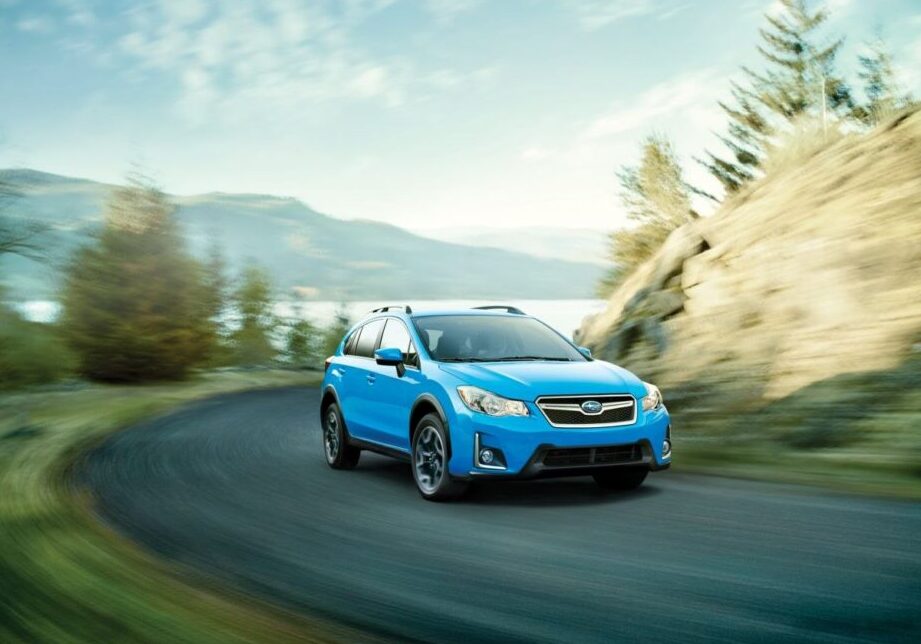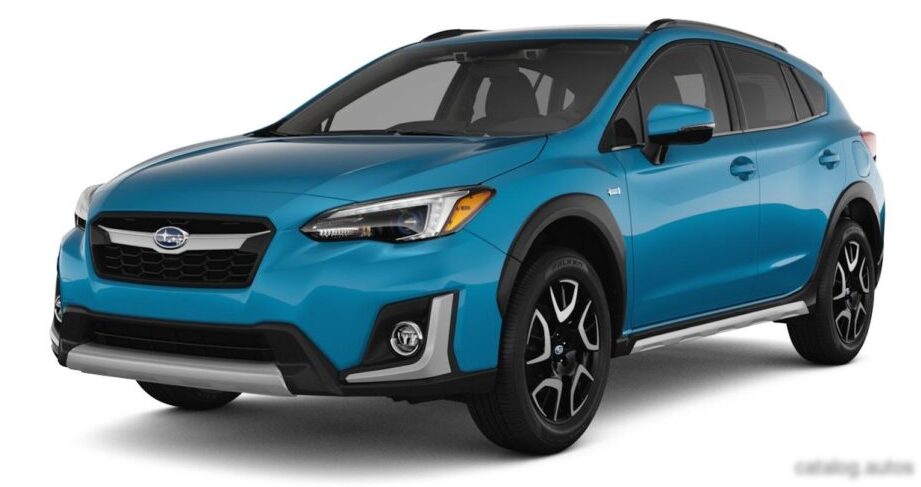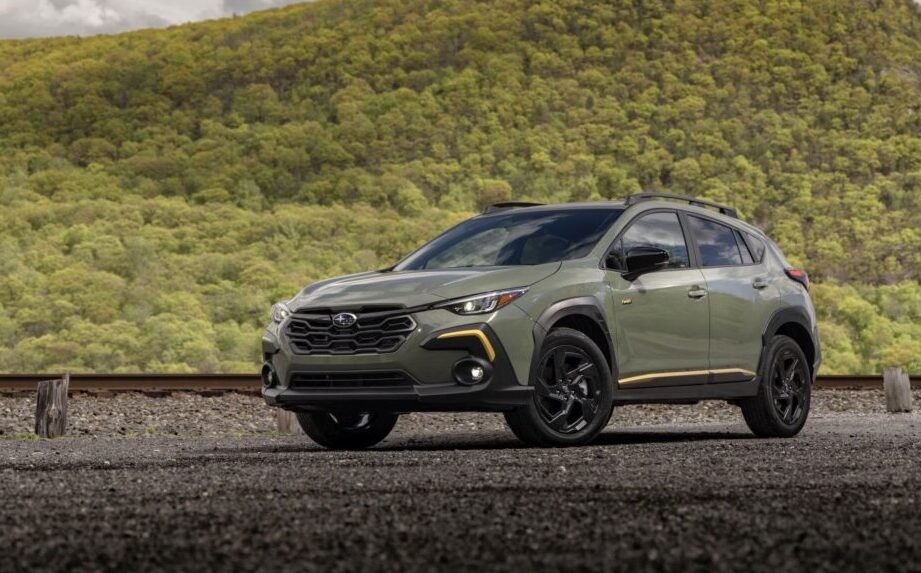
The Subaru Crosstrek II, specifically the facelifted version introduced in 2020, represents a significant evolution of Subaru’s popular subcompact crossover SUV. This variant, powered by a 2.0-liter naturally aspirated boxer engine producing 152 horsepower and paired with a continuously variable transmission (CVT) and Subaru’s symmetrical all-wheel drive system, occupied a central position in the Crosstrek lineup during its 2020-2023 production run. It aimed to balance affordability, fuel efficiency, and Subaru’s renowned all-weather capability, making it a popular choice for buyers seeking a versatile and practical vehicle.
Technical Specifications
| Brand | Subaru |
| Model | Crosstrek |
| Generation | Crosstrek II (facelift 2020) |
| Type (Engine) | 2.0 (152 Hp) AWD CVT |
| Start of production | 2020 |
| End of production | 2023 |
| Powertrain Architecture | Internal Combustion engine |
| Body type | SUV, Crossover |
| Seats | 5 |
| Doors | 5 |
| Fuel consumption (urban) | 8.4 l/100 km (28 US mpg) |
| Fuel consumption (extra urban) | 7.1 l/100 km (33.1 US mpg) |
| Fuel consumption (combined) | 7.8 l/100 km (30.2 US mpg) |
| Fuel Type | Petrol (Gasoline) |
| Weight-to-power ratio | 9.5 kg/Hp |
| Weight-to-torque ratio | 7.3 kg/Nm |
| Power | 152 Hp @ 6000 rpm |
| Torque | 197 Nm @ 4000 rpm (145.3 lb.-ft. @ 4000 rpm) |
| Engine layout | Front, Longitudinal |
| Engine Model/Code | FB20 |
| Engine displacement | 1995 cm3 (121.74 cu. in.) |
| Number of cylinders | 4 |
| Engine configuration | Boxer |
| Cylinder Bore | 84.07 mm (3.31 in.) |
| Piston Stroke | 89.92 mm (3.54 in.) |
| Compression ratio | 12.5:1 |
| Number of valves per cylinder | 4 |
| Fuel injection system | Direct injection |
| Engine aspiration | Naturally aspirated engine |
| Valvetrain | DOHC, DAVCS |
| Engine oil capacity | 4.4 l (4.65 US qt | 3.87 UK qt) |
| Coolant capacity | 7.8 l (8.24 US qt | 6.86 UK qt) |
| Kerb Weight | 1446-1462 kg (3187.88 – 3223.16 lbs.) |
| Trunk (boot) space – minimum | 589 l (20.8 cu. ft.) |
| Trunk (boot) space – maximum | 1566 l (55.3 cu. ft.) |
| Fuel tank capacity | 63 l (16.64 US gal | 13.86 UK gal) |
| Length | 4483 mm (176.5 in.) |
| Width | 1803 mm (70.98 in.) |
| Width including mirrors | 2007 mm (79.02 in.) |
| Height | 1615 mm (63.58 in.) |
| Wheelbase | 2664 mm (104.88 in.) |
| Front track | 1549 mm (60.98 in.) |
| Rear track | 1554 mm (61.18 in.) |
| Ride height (ground clearance) | 221 mm (8.7 in.) |
| Minimum turning circle | 10.8 m (35.43 ft.) |
| Front brakes | Ventilated discs, 294.64 mm |
| Rear brakes | Disc, 274.32 mm |
| Number of gears | 8 |
| Gearbox type | CVT (Continuously Variable Transmission) |
| Tires size | 225/60 R17 98H |
Introduction
The 2020 Subaru Crosstrek facelift built upon the foundation laid by the first-generation model, introduced in 2013. The “II” designation signifies the updated version, which received styling revisions, enhanced safety features, and refinements to the powertrain. Positioned as the entry-level engine option, the 2.0-liter engine/CVT combination was aimed at buyers prioritizing fuel economy and a smooth driving experience over outright performance. It served as the gateway to the Crosstrek range, offering a more affordable alternative to the available 2.5-liter engine.
Powertrain & Engine Architecture
At the heart of this Crosstrek variant lies the FB20 2.0-liter horizontally-opposed (boxer) four-cylinder engine. This engine is a hallmark of Subaru engineering, known for its compact design and inherent balance, contributing to reduced vibrations. The FB20 utilizes direct fuel injection, optimizing fuel delivery and combustion efficiency. The engine also features Subaru’s Dual Active Valve Control System (DAVCS), which adjusts both intake and exhaust valve timing to improve performance and fuel economy across the rev range. The engine’s output of 152 horsepower and 145 lb-ft of torque is delivered to all four wheels via a continuously variable transmission (CVT). Subaru’s CVT is programmed to simulate stepped gear changes, providing a more natural driving feel than some traditional CVTs. The CVT is designed for efficiency and smooth acceleration, prioritizing fuel economy over aggressive shifts.
Driving Characteristics
The 2.0-liter/CVT Crosstrek delivers a comfortable and predictable driving experience. Acceleration is adequate for everyday driving, but it’s not particularly brisk. The CVT effectively keeps the engine in its optimal power band, providing smooth and linear acceleration. Compared to the optional 2.5-liter engine, this variant feels noticeably less powerful, especially when fully loaded or tackling steep inclines. The CVT’s simulated gear changes can sometimes feel disconnected, and the engine can drone under hard acceleration. However, the symmetrical all-wheel drive system provides excellent traction in various weather conditions, a key selling point for Subaru vehicles. The gear ratios are optimized for fuel efficiency, resulting in a more relaxed cruising experience on the highway.
Equipment & Trim Levels
The 2.0-liter CVT Crosstrek typically came standard with features such as automatic climate control, a 6.5-inch touchscreen infotainment system with Apple CarPlay and Android Auto compatibility, and Subaru’s EyeSight suite of safety technologies, including adaptive cruise control, lane departure warning, and automatic emergency braking. Interior upholstery was typically cloth, with options for upgraded materials available on higher trim levels. Optional extras included a larger 8-inch touchscreen, a power driver’s seat, and a premium audio system. The base trim focused on providing essential features at an accessible price point, while higher trims added convenience and luxury items.
Chassis & Braking
The Crosstrek II utilizes a McPherson strut front suspension and a double-wishbone rear suspension, providing a comfortable ride and predictable handling. The suspension is tuned for a balance between comfort and control, absorbing bumps effectively while maintaining stability in corners. Braking duties are handled by ventilated discs at the front and solid discs at the rear. Anti-lock brakes (ABS) are standard, along with electronic brake-force distribution (EBD) and brake assist. The relatively lightweight nature of the 2.0-liter model contributes to its nimble handling characteristics. Stabilizer bars are fitted to both the front and rear axles to reduce body roll during cornering.
Market Reception & Comparison
Critics generally praised the 2020 Crosstrek for its practicality, safety features, and all-weather capability. However, the 2.0-liter engine/CVT combination received mixed reviews. Some reviewers found the engine to be underpowered, particularly when compared to competitors. Fuel economy was generally considered to be good, but not class-leading. Compared to the 2.5-liter version, the 2.0-liter model offered a lower price point but sacrificed performance. The 2.0L was often seen as a good choice for urban commuters and drivers who prioritize fuel efficiency and safety over spirited driving. The 2.5L was favored by those needing more power for highway driving or towing.
Legacy
The FB20 engine, in general, has proven to be a reliable powerplant when properly maintained. Common issues, such as oil consumption, are relatively rare but can occur with higher mileage. The CVT transmission, while generally durable, requires regular fluid changes to ensure longevity. In the used car market, the 2020-2023 Crosstrek 2.0 CVT remains a popular choice due to its affordability, fuel efficiency, and Subaru’s reputation for reliability. Its symmetrical all-wheel drive system continues to be a significant draw for buyers in regions with inclement weather. The combination of practicality, safety, and all-weather capability ensures that this Crosstrek variant will remain a viable option for years to come.