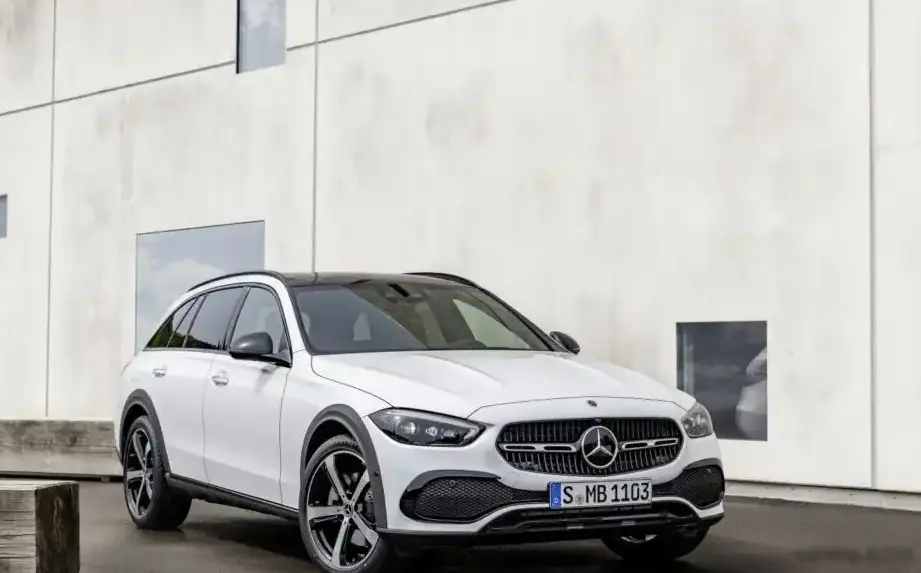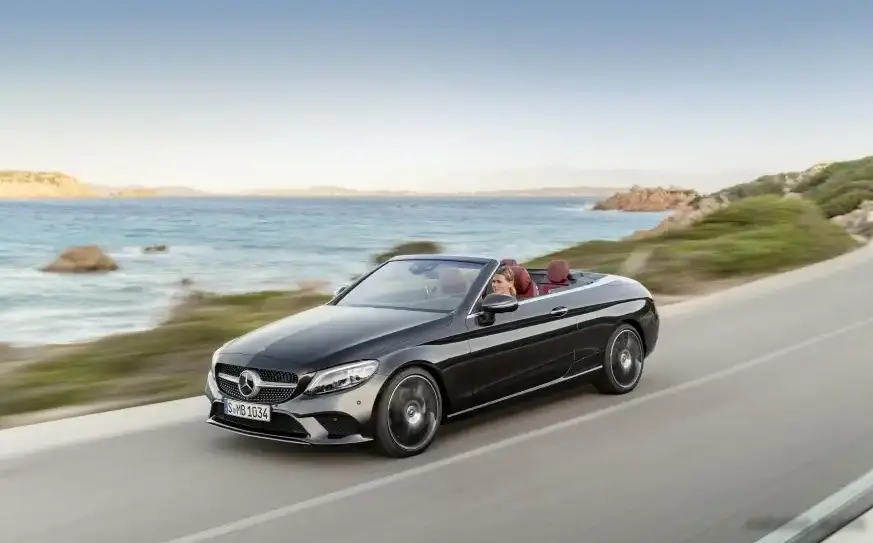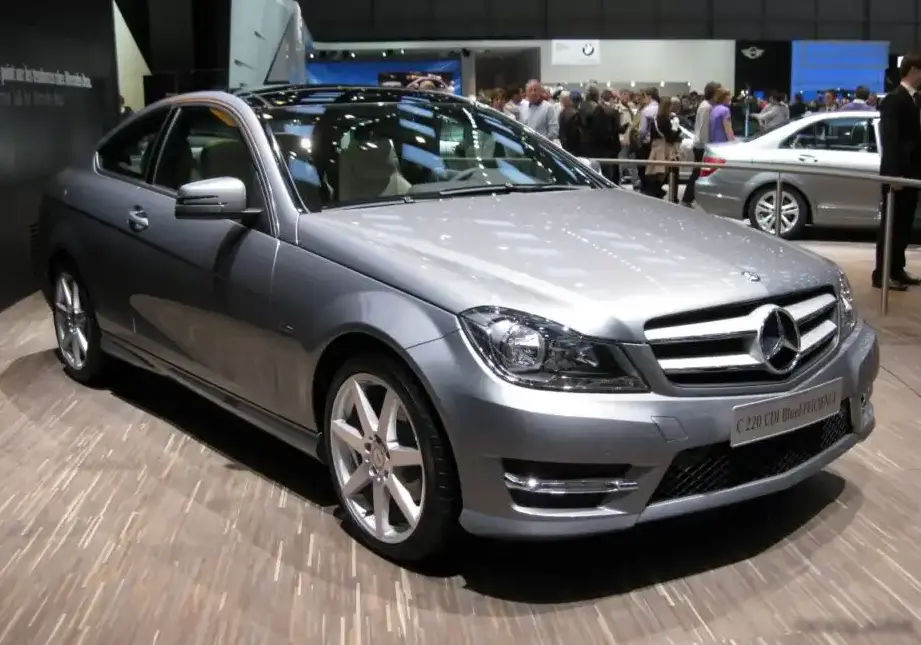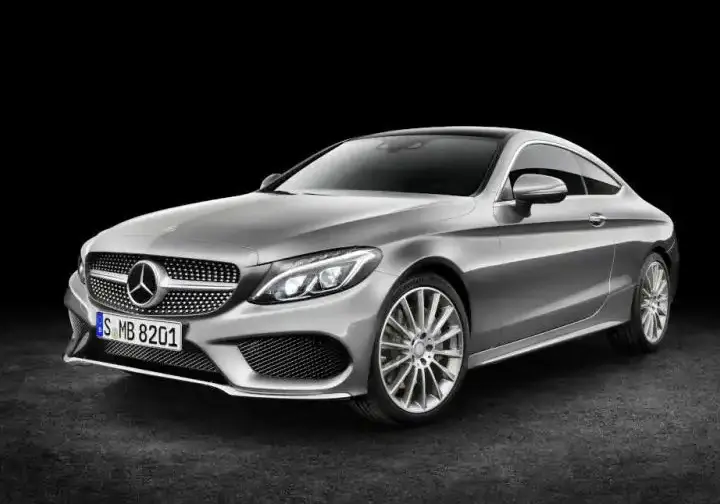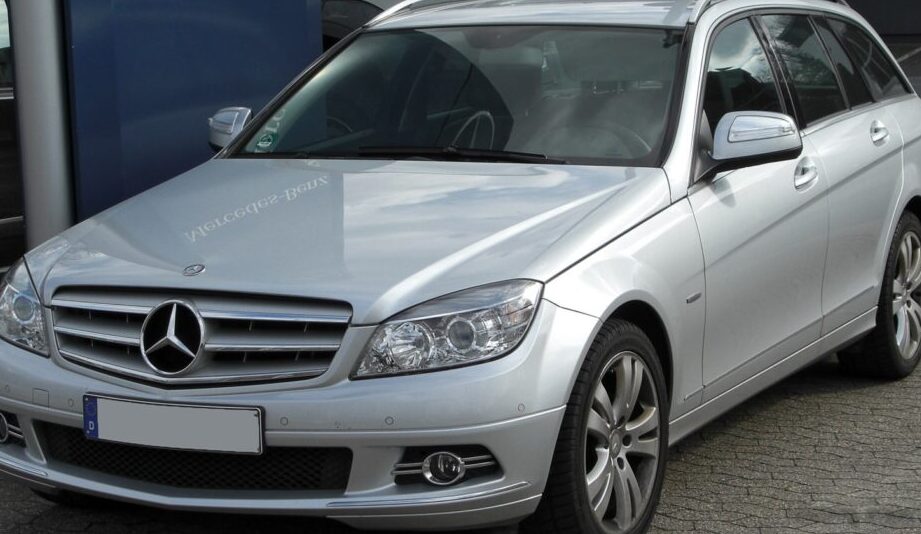
The Mercedes-Benz C-Class T-modell (S204) C 200 CGI BlueEFFICIENCY, produced from 2010 to 2011, represented a compelling entry point into the premium compact estate (wagon) segment. Positioned as a mid-range offering within the S204 series, it blended respectable performance with enhanced fuel efficiency thanks to its CGI (Charged Gasoline Injection) technology. This variant aimed to appeal to buyers seeking a practical, yet sophisticated vehicle for family use or those requiring additional cargo space without sacrificing the Mercedes-Benz brand experience. It was part of the third generation C-Class, built on the W204 platform, and offered a more economical alternative to the higher-performance C 350 or the diesel-powered C 220 CDI.
Technical Specifications
| Brand | Mercedes-Benz |
| Model | C-Class |
| Generation | C-Class T-modell (S204) |
| Type (Engine) | C 200 CGI BlueEFFICIENCY (184 Hp) |
| Start of production | 2010 |
| End of production | 2011 |
| Powertrain Architecture | Internal Combustion engine |
| Body type | Station wagon (estate) |
| Seats | 5 |
| Doors | 5 |
| Fuel consumption (urban) | 9.8-10.4 l/100 km (24 – 22.6 US mpg) |
| Fuel consumption (extra urban) | 5.6-6.3 l/100 km (42 – 37.3 US mpg) |
| Fuel consumption (combined) | 7.2-7.8 l/100 km (32.7 – 30.2 US mpg) |
| CO2 emissions | 164-182 g/km |
| Fuel Type | Petrol (Gasoline) |
| Acceleration 0 – 100 km/h | 8.4 sec |
| Acceleration 0 – 62 mph | 8.4 sec |
| Acceleration 0 – 60 mph | 8 sec (Calculated) |
| Maximum speed | 228 km/h (141.67 mph) |
| Emission standard | Euro 5 |
| Weight-to-power ratio | 8.1 kg/Hp |
| Weight-to-torque ratio | 5.5 kg/Nm |
| Power | 184 Hp @ 5250 rpm |
| Torque | 270 Nm @ 1800-4600 rpm (199.14 lb.-ft.) |
| Engine layout | Front, Longitudinal |
| Engine Model/Code | M 271.860 |
| Engine displacement | 1796 cm3 (109.6 cu. in.) |
| Number of cylinders | 4 |
| Engine configuration | Inline |
| Cylinder Bore | 82 mm (3.23 in.) |
| Piston Stroke | 85 mm (3.35 in.) |
| Compression ratio | 9.3:1 |
| Number of valves per cylinder | 4 |
| Fuel injection system | Direct injection |
| Engine aspiration | Turbocharger, Intercooler |
| Valvetrain | DOHC |
| Engine oil capacity | 5.5 l (5.81 US qt | 4.84 UK qt) |
| Kerb Weight | 1485 kg (3273.86 lbs.) |
| Max. weight | 2100 kg (4629.71 lbs.) |
| Max load | 615 kg (1355.84 lbs.) |
| Trunk (boot) space – minimum | 485 l (17.13 cu. ft.) |
| Trunk (boot) space – maximum | 1500 l (52.97 cu. ft.) |
| Fuel tank capacity | 59 l (15.59 US gal | 12.98 UK gal) |
| Permitted trailer load (braked) | 1800 kg (3968.32 lbs.) |
| Permitted trailer load (unbraked) | 750 kg (1653.47 lbs.) |
| Length | 4596 mm (180.94 in.) |
| Width | 1770 mm (69.69 in.) |
| Width including mirrors | 2009 mm (79.09 in.) |
| Height | 1459 mm (57.44 in.) |
| Wheelbase | 2760 mm (108.66 in.) |
| Front track | 1541 mm (60.67 in.) |
| Rear track | 1544 mm (60.79 in.) |
| Front overhang | 765 mm (30.12 in.) |
| Rear overhang | 1071 mm (42.17 in.) |
| Turning circle | 10.84 m (35.56 ft.) |
| Drivetrain | Rear wheel drive |
| Number of gears | 6 |
| Gearbox type | Manual |
| Front suspension | Independent McPherson, Transverse stabilizer |
| Rear suspension | Independent multi-link, Transverse stabilizer |
| Front brakes | Ventilated discs |
| Rear brakes | Disc |
| ABS | Standard |
| Steering | Rack and pinion, Hydraulic |
| Tires size | 205/55 R16 |
| Wheel rims size | 7J x 16 |
INTRODUCTION
The S204 C-Class T-modell, introduced in 2007 as the wagon variant of the W204 C-Class, offered Mercedes-Benz customers a practical alternative to the sedan. The C 200 CGI BlueEFFICIENCY, launched in 2010, was a key component of the lineup, aiming to provide a balance between performance, fuel economy, and affordability. It utilized a turbocharged 1.8-liter engine with direct injection, a combination designed to deliver responsive power while minimizing emissions. This model year saw updates to the C-Class range, including refinements to the exterior styling and interior appointments. The C 200 CGI BlueEFFICIENCY was primarily marketed in Europe and other regions where wagons are popular, offering a premium experience in the compact estate class.
Powertrain & Engine Architecture
At the heart of the C 200 CGI BlueEFFICIENCY lies the M 271.860 1.8-liter inline-four cylinder engine. This engine is a significant departure from earlier Mercedes-Benz four-cylinder designs, featuring direct fuel injection and a turbocharger with an intercooler. The CGI (Charged Gasoline Injection) system allows for precise fuel delivery, optimizing combustion and boosting power output. The engine produces 184 horsepower at 5250 rpm and 270 Nm (199 lb-ft) of torque between 1800 and 4600 rpm. The engine utilizes a double overhead camshaft (DOHC) valvetrain with four valves per cylinder. The engine is longitudinally mounted, driving the rear wheels. The six-speed manual transmission was standard, offering precise gear changes and a relatively engaging driving experience. While an automatic transmission was available as an option, the manual was favored by enthusiasts for its improved responsiveness and fuel efficiency.
Driving Characteristics
The C 200 CGI BlueEFFICIENCY, equipped with the manual transmission, offered a reasonably engaging driving experience. While not a sports car, the turbocharger provided a noticeable boost in power, making overtaking maneuvers and highway cruising comfortable. The 0-60 mph acceleration time of around 8 seconds was respectable for its class. The manual gearbox, with its well-defined gate, allowed for precise control over the engine’s power delivery. Compared to the more powerful C 350, the C 200 CGI felt less urgent, but it offered a more balanced and fuel-efficient driving experience. The suspension, tuned for comfort, provided a smooth ride over most road surfaces, although it wasn’t as sporty as some of its rivals. The rear-wheel-drive configuration contributed to a balanced chassis, offering predictable handling characteristics.
Equipment & Trim Levels
The C 200 CGI BlueEFFICIENCY typically came standard with features such as air conditioning, power windows, power mirrors, a multi-function steering wheel, and an audio system. Upholstery was typically cloth, although leather options were available. Optional extras included a sunroof, navigation system, upgraded audio system, parking sensors, and heated seats. The “BlueEFFICIENCY” designation indicated the inclusion of fuel-saving technologies such as start-stop functionality, which automatically shut off the engine when the vehicle was stationary, further enhancing fuel economy. Interior trim levels varied, with options for wood or aluminum accents.
Chassis & Braking
The S204 C-Class T-modell utilized an independent suspension system at all four wheels. The front suspension employed a McPherson strut design with a transverse stabilizer bar, while the rear suspension featured a multi-link setup, also with a stabilizer bar. This configuration provided a good balance between ride comfort and handling. The C 200 CGI BlueEFFICIENCY was equipped with ventilated disc brakes at the front and solid disc brakes at the rear. Anti-lock braking system (ABS) was standard, enhancing braking performance and stability. The steering system was a rack and pinion type with hydraulic power assistance, providing precise and responsive steering feel.
Market Reception & Comparison
The C 200 CGI BlueEFFICIENCY was generally well-received by automotive critics. It was praised for its fuel efficiency, comfortable ride, and refined interior. However, some reviewers noted that the engine, while capable, lacked the outright performance of some of its rivals. Compared to the C 220 CDI diesel variant, the C 200 CGI offered a slightly more responsive engine but at the expense of fuel economy. Against competitors like the BMW 3 Series Touring and Audi A4 Avant, the C 200 CGI held its own in terms of refinement and build quality, but it often lagged behind in terms of driving dynamics.
Legacy
The M 271 engine family, including the 1.8-liter CGI variant, proved to be relatively reliable, although some owners have reported issues with the turbocharger and fuel injectors over the long term. The C 200 CGI BlueEFFICIENCY remains a popular choice in the used car market, particularly for buyers seeking a practical and well-equipped estate car. Its combination of fuel efficiency, comfort, and the Mercedes-Benz badge continues to appeal to a wide range of buyers. Regular maintenance, including timely oil changes and inspections of the turbocharger and fuel system, is crucial for ensuring the long-term reliability of this powertrain.