
Technical Specifications
| Brand | Renault |
| Model | Estafette |
| Generation | Estafette |
| Type (Engine) | 1.3 (39 Hp) |
| Start of Production | 1969 |
| End of Production | 1981 |
| Powertrain Architecture | Internal Combustion Engine |
| Body Type | Minivan |
| Fuel Type | Petrol (Gasoline) |
| Power | 39 Hp |
| Engine Model/Code | 810.01 |
| Engine Aspiration | Naturally Aspirated |
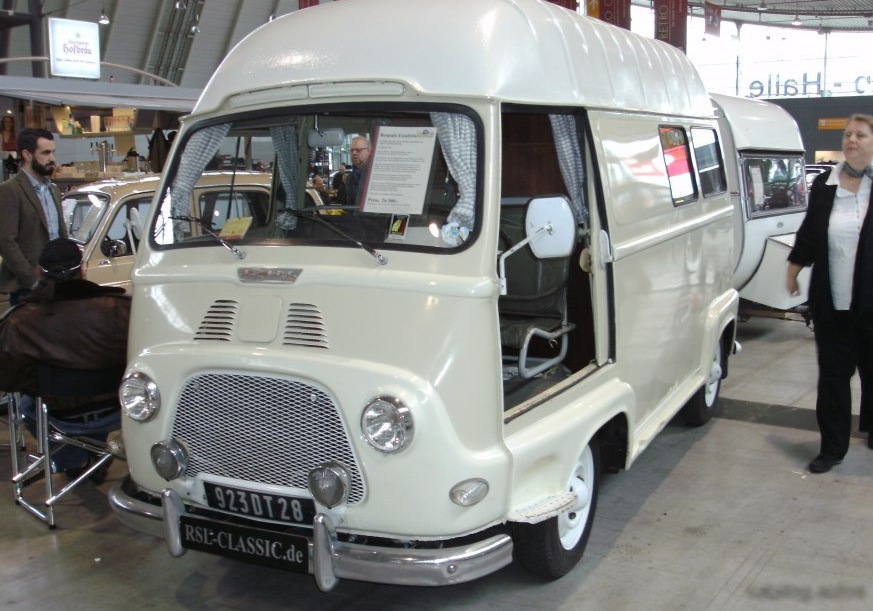
The Renault Estafette 1.3, produced from 1969 to 1981, occupies a notable position in Renault’s history of commercial vehicles. This variant, equipped with a 1.3-liter gasoline engine producing 39 horsepower, served as the entry-level offering within the Estafette range. The Estafette itself was Renault’s answer to the increasing demand for a versatile, front-wheel-drive van, designed to compete with models from Citroën and Volkswagen. It quickly gained popularity among small businesses, tradespeople, and individuals seeking a practical vehicle for both work and personal use. While not the most powerful option, the 1.3-liter model provided an affordable and relatively economical solution, particularly during a period of rising fuel costs.
Powertrain & Engine Architecture
The Renault Estafette 1.3 was powered by the 810.01 engine, a 1,289cc inline-four cylinder gasoline engine. This engine, while relatively simple in its design, was well-regarded for its robustness and ease of maintenance. It featured a single overhead camshaft (SOHC) valvetrain and utilized a Solex carburetor for fuel delivery. The 810.01 wasn’t designed for sophistication; its priorities were reliability and low running costs over outright performance. The engine generated 39 horsepower at approximately 4,500 rpm and 66 lb-ft of torque at 3,000 rpm. This output was sufficient for light commercial tasks, but it rendered the Estafette 1.3 unsuitable for heavy loads or high-speed driving. The engine was typically paired with a four-speed manual transmission, although a three-speed automatic transmission was available as an option, though rarely chosen due to its further reduction in performance. The automatic transmission, while offering convenience, noticeably hampered acceleration and increased fuel consumption.
Driving Characteristics
Driving the Estafette 1.3 was a decidedly utilitarian experience. The 39 horsepower engine provided adequate, but not abundant, power for urban and suburban driving. Acceleration was slow, and overtaking required careful planning and consideration. The four-speed manual transmission allowed drivers to maximize the available power, but even with skillful shifting, the Estafette 1.3 was never a particularly quick vehicle. The optional automatic transmission further diminished performance, making the van feel sluggish and unresponsive. The front-wheel-drive layout offered decent handling, especially in adverse weather conditions, but the Estafette’s tall, boxy shape and relatively soft suspension resulted in noticeable body roll during cornering. The steering was unassisted, requiring some effort at low speeds, but it provided a direct and communicative feel. Overall, the driving experience prioritized practicality and functionality over driver enjoyment.
Equipment & Trim Levels
The Estafette 1.3 was generally offered in a basic trim level, reflecting its position as the entry-level model. Standard equipment included simple steel wheels, vinyl upholstery, and a basic dashboard with minimal instrumentation. The interior was functional and durable, designed to withstand the demands of commercial use. Optional extras were limited but could include a radio, upgraded seating, and additional interior lighting. The van was available in a variety of body configurations, including a standard van, a chassis-cab for custom builds, and a combi version with passenger seating. Paint options were typically restricted to a small selection of solid colors. The overall focus was on providing a no-frills, affordable vehicle that could be adapted to a wide range of applications.
Chassis & Braking
The Renault Estafette featured a robust chassis and suspension system designed to handle moderate loads. The front suspension utilized independent coil springs, while the rear suspension employed a torsion beam setup. This configuration provided a reasonable ride quality, although it wasn’t particularly refined. The braking system consisted of drum brakes on all four wheels, which were adequate for the vehicle’s weight and performance. However, they lacked the stopping power and fade resistance of disc brakes. Steering was a recirculating ball system, providing a relatively direct feel but requiring some effort, especially at lower speeds. The Estafette’s chassis was relatively simple and durable, contributing to its reputation for reliability.
Market Reception & Comparison
The Renault Estafette 1.3 was generally well-received in its target market. Critics praised its practicality, affordability, and robust construction. However, the 1.3-liter engine was often criticized for its lack of power, particularly when compared to the larger-engined versions of the Estafette, such as the 1.6-liter and 2.1-liter models. The 1.6-liter engine offered a significant performance improvement, making it a more suitable choice for those who frequently carried heavy loads or drove on hilly terrain. The 2.1-liter engine, while more expensive, provided even greater power and torque. In terms of fuel economy, the Estafette 1.3 offered reasonable figures for its time, but it wasn’t particularly efficient by modern standards. Compared to competitors like the Citroën HY and Volkswagen Transporter, the Estafette 1.3 offered a competitive price point and a relatively spacious interior.
Legacy
The Renault Estafette, and particularly the 1.3-liter variant, has developed a cult following among classic vehicle enthusiasts. Its simple design, robust construction, and affordability have made it a popular choice for restoration projects and vintage commercial vehicle events. The 810.01 engine, while not particularly powerful, is known for its reliability and ease of maintenance, making it a relatively straightforward engine to work on. Today, well-maintained Estafette 1.3s are becoming increasingly rare and valuable. They serve as a nostalgic reminder of a bygone era of commercial vehicles, and their enduring appeal lies in their practicality, simplicity, and character. While not a performance icon, the Estafette 1.3 played a vital role in the lives of countless small businesses and individuals, and its legacy continues to endure.
