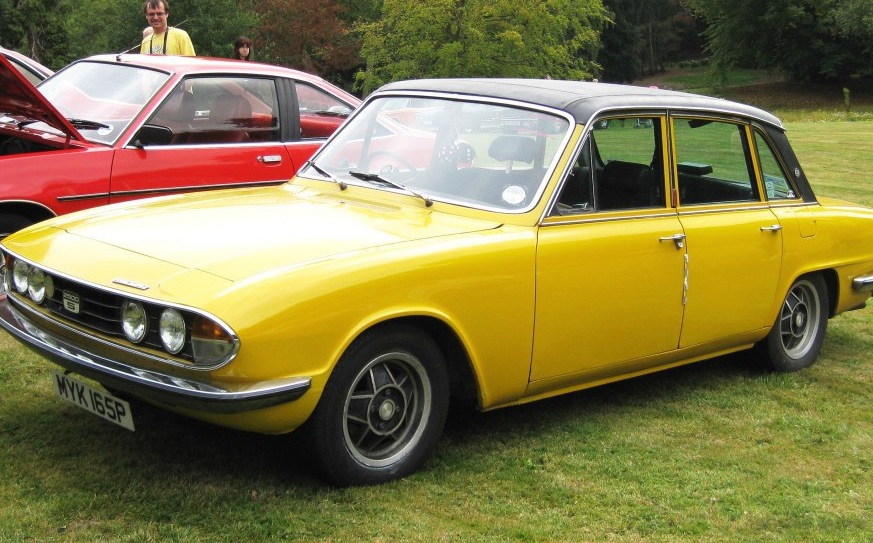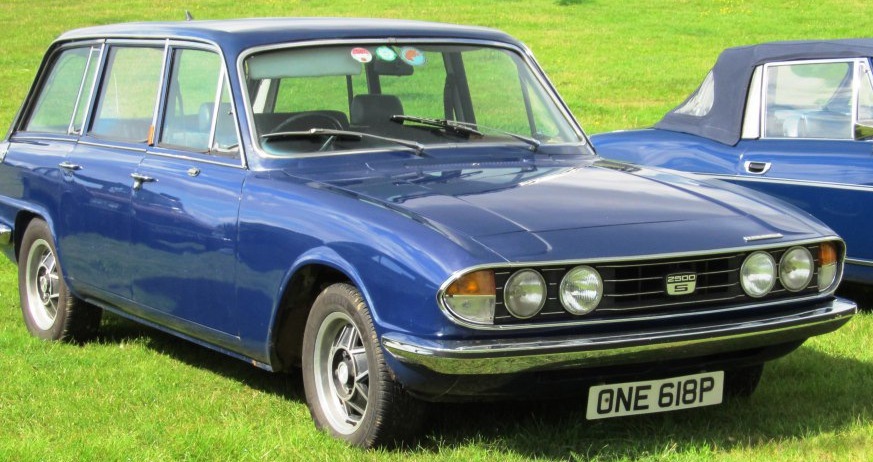
The Triumph 2500 Estate S, produced between 1975 and 1977, represents a relatively rare and refined offering from the British automaker during a period of significant change. Positioned as the top-tier variant of the 2500 Estate (station wagon) range, the ‘S’ designation denoted a higher performance specification, primarily through a slightly uprated engine and enhanced trim. It was part of the final evolution of the 2500 series, building upon the earlier saloon (sedan) models and offering a practical, yet luxurious, alternative to more mainstream estate cars of the era. The 2500 series, and consequently the Estate, was intended to fill a gap in Triumph’s lineup, providing a larger, more comfortable, and better-equipped vehicle than the smaller Triumph Dolomite.
Technical Specifications
| Brand | Triumph |
| Model | 2500 |
| Generation | 2500 Estate |
| Type (Engine) | S (108 Hp) |
| Start of production | 1975 |
| End of production | 1977 |
| Powertrain Architecture | Internal Combustion engine |
| Body type | Station wagon (estate) |
| Fuel Type | Petrol (Gasoline) |
| Power | 108 Hp |
| Engine aspiration | Naturally aspirated engine |
Powertrain & Engine Architecture
The heart of the Triumph 2500 Estate S is its 2.5-liter inline six-cylinder engine. This engine, internally designated as the ‘T25’, is a naturally aspirated, overhead camshaft design. While sharing the fundamental architecture with the engines found in the 2500 saloon, the ‘S’ variant benefited from a slightly higher compression ratio and a revised carburetor setup – typically a Zenith-Stromberg 175CD – to produce 108 horsepower. This represented a modest increase over the standard 2500 Estate. The engine’s bore and stroke measured 79.36mm x 80.64mm, resulting in a displacement of 2498cc (152.3 cubic inches). The cylinder head featured two valves per cylinder, operated by a single overhead camshaft driven by a duplex chain. Fuel delivery was managed by the aforementioned Zenith-Stromberg carburetor, known for its relatively smooth operation and decent performance. The engine was mated to a Borg-Warner three-speed automatic transmission, a common choice for the American market and those prioritizing ease of driving over outright performance. This transmission was known for its durability but wasn’t particularly fuel-efficient by modern standards.
Driving Characteristics
The Triumph 2500 Estate S, equipped with the three-speed automatic, offered a comfortable and relaxed driving experience. Acceleration was adequate for the time, with a 0-60 mph time estimated around 12-13 seconds. However, it wasn’t a particularly sporty vehicle. The automatic transmission, while convenient, did sap some of the engine’s potential, and gear changes weren’t particularly quick or responsive. The gear ratios were geared towards cruising, making it well-suited for long highway journeys. Compared to the manual transmission versions of the 2500, the automatic ‘S’ felt noticeably slower, particularly in overtaking situations. The suspension, a traditional setup with independent front suspension and a live axle rear, provided a comfortable ride, absorbing bumps and imperfections in the road reasonably well. Steering was power-assisted, making maneuvering at low speeds relatively effortless, but lacked the precision and feedback favored by driving enthusiasts.
Equipment & Trim Levels
The ‘S’ designation on the 2500 Estate indicated a higher level of equipment compared to the base model. Standard features included reclining front seats, a wood-trimmed dashboard, and a comprehensive instrument panel with gauges for oil pressure, coolant temperature, and fuel level. The interior was typically upholstered in Ambla vinyl, a durable and easy-to-clean material, although leather upholstery was available as an optional extra. Other optional extras included a sunroof, a radio with a stereo amplifier, and heated rear window. The exterior trim was also upgraded on the ‘S’ model, with chrome brightwork around the windows and along the body sides. The Estate body style itself offered a generous amount of cargo space, making it a practical choice for families or those needing to transport large items. The rear tailgate featured a split design, with the lower section folding down to create a loading platform.
Chassis & Braking
The Triumph 2500 Estate S utilized a robust chassis construction, employing a separate body-on-frame design. The front suspension consisted of independent double wishbones with coil springs and telescopic shock absorbers. The rear suspension featured a live axle with leaf springs and telescopic shock absorbers. Braking was provided by Dunlop disc brakes on the front wheels and drum brakes on the rear wheels. The braking system was hydraulically operated, with power assistance to reduce driver effort. Steering was a Camsteer power-assisted rack and pinion system. The Estate’s increased weight compared to the saloon necessitated a slightly heavier-duty suspension setup, although the fundamental design remained the same. Stabilizer bars were fitted to both the front and rear axles to reduce body roll during cornering.
Market Reception & Comparison
The Triumph 2500 Estate S was generally well-received by automotive critics, who praised its comfortable ride, spacious interior, and refined engine. However, the automatic transmission was often criticized for its lack of responsiveness and its impact on fuel economy. Compared to other estate cars of the era, such as the Volvo 145 and the Ford Cortina Estate, the Triumph offered a more luxurious and sophisticated experience, but at a higher price point. The manual transmission versions of the 2500 were favored by driving enthusiasts, who appreciated the greater control and performance they offered. Fuel economy was typical for a large-displacement engine of the 1970s, averaging around 18-22 mpg in mixed driving conditions. Reliability was generally good, although the Zenith-Stromberg carburetor could be prone to occasional issues if not properly maintained.
Legacy
Today, the Triumph 2500 Estate S is a relatively rare and sought-after classic car. Its combination of practicality, comfort, and British charm makes it appealing to collectors and enthusiasts. The 2.5-liter engine, while not particularly powerful by modern standards, is known for its durability and smooth operation. The automatic transmission, while not the most exciting feature, remains reliable if properly maintained. Parts availability can be a challenge, as with many classic British cars, but a dedicated network of specialists and suppliers exists to support owners. Well-maintained examples of the 2500 Estate S command respectable prices in the used car market, reflecting their rarity and desirability. The car represents a high point in Triumph’s engineering and design, offering a glimpse into a bygone era of British automotive craftsmanship.